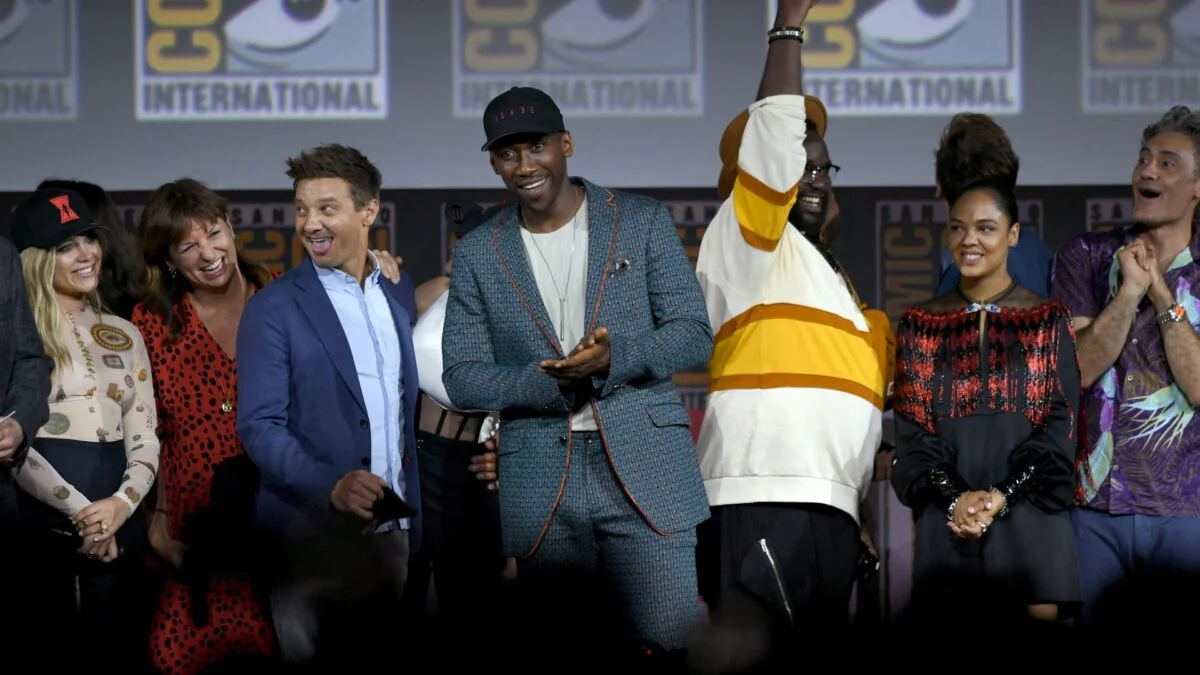
I was on Twitter the night the Blade reboot was announced: the feed filled with gifs of Wesley Snipes and a single name—Mahershala. You felt the hope shift into a quiet, impatient waiting room. Months turned into years, and the light at the end of that corridor went dark.
I’ve covered Hollywood for years, and you learn to read the pauses. Contracts, press cycles, and executive quotes can tell you as much as a greenlight. When Mahershala Ali signed on—fresh off two Oscars and a breakout TV turn in Luke Cage—it felt like one of those rare, low-risk bets that should have paid off for Marvel Studios.
At an interview, Ali put a period on the project
He told GQ that he’s moved on. I believe him. When a performer of his stature says a project “is not for me,” you don’t tease it back to life with PR statements—you either reboot properly or you let the ashes cool.
Is Mahershala Ali still doing Blade?
Short answer: no. Ali said plainly, “If they wanted to do it, we would’ve done it.” That’s not hedging. It’s a line drawn in ink. He also said he’s ready to stop answering Blade questions, and that responsibility falls to Marvel to explain why they didn’t proceed.
In conversations with insiders, Kevin Feige admitted regret
Feige’s recent comment—saying he felt “like a gigantic loser and a failure” for not getting Blade off the ground—was a rare public mea culpa from Marvel’s front office. When leadership uses that language, it isn’t PR theater; it’s an admission that the internal engine stalled.
Why was the Blade reboot canceled?
There isn’t a single smoking gun. The public thread includes shifting schedules, competing priorities, and the sheer bureaucratic weight of franchise planning at Marvel Studios. Remember: Marvel manages dozens of moving parts, and sometimes a high-promise project becomes a casualty of calendar triage.
On set rumors and industry chatter lingered for years
People across agencies, studios, and streaming platforms whispered about timelines and budgets. Ali was under contract; Marvel had capital—hundreds of millions of dollars in play ($1 billion ≈ €920 million) when projects are added to slates. That mismatch between intent and execution is the clearest sign a project has stalled.
The Blade project was a ghost ship—its lights on, crew listed, but no course plotted. And Marvel’s scheduling felt like a cracked ledger, columns of promise that never balanced.
What did Kevin Feige say about Blade?
Feige publicly acknowledged failure to move the film forward with Ali attached. That kind of ownership is unusual in studio politics and suggests internal friction rather than simple creative disagreements. If Marvel chooses to explain further, it will likely come via a rare, detailed statement from the studio.
At awards-season dinners, Ali’s profile only rose
He had momentum as an actor; that made his departure more telling. When a major star steps away from a tentpole project, it forces studios to weigh reputation risk against franchise calculus. You can read that as studios prioritizing their larger slate over an individual marquee name.
For you tracking film slates, the practical takeaway is simple: don’t count on projects that spend years in limbo, even with A-list talent. Marvel will keep making blockbusters—its tentpole machinery still churns—but not every announced film survives the planning trenches.
Ali moved on. Marvel owns the questions about why. I’ll be watching which actors and which projects get named and actually filmed next—will another high-profile star be left answering the same silence?