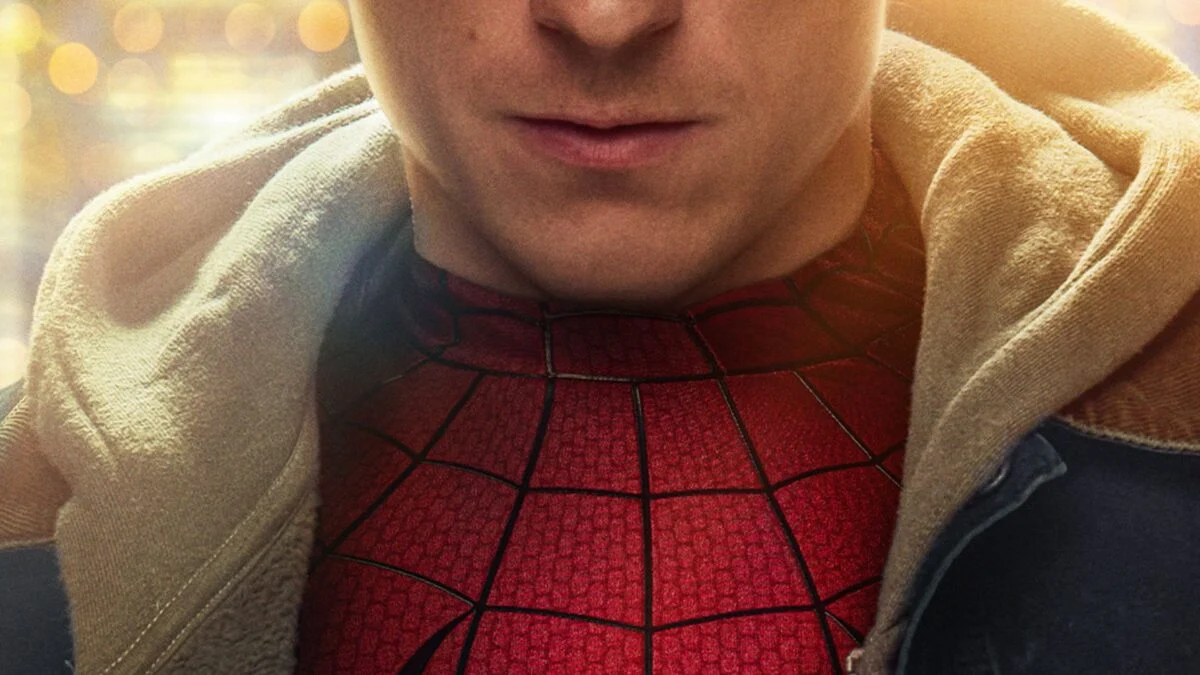
I was leaning against a theater wall when someone whispered, “This is the Spider-Man we deserved.” The lobby noise hushed around that line and I realized the movie had to do more than wink at nostalgia. It had to prove a fresh start could also mean learning from what came before.
I’ll be direct: I believe Spider-Man: Brand New Day mostly pulls the trick it promises. You get a Peter Parker who lives for the neighborhood again, not for universe-sized stakes or multiverse cameos. If you want a reroute from the bombastic spectacles, this film gives you one with uneven but honest craftsmanship.
On a subway platform, people still call him “our guy.” That public affection is the film’s opening gambit.
Tom Holland and the team at Sony and Marvel hand you a Peter who has spent four years building goodwill in New York. That cultural shorthand—Peter as local hero—lets the movie skip origin beats and get to character work. I like how it borrows the playbook from Insomniac’s Spider-Man game: confident, street-level storytelling that trusts you already know who he is.
You’ll notice the production leaning into practical effects and beat-driven scenes. Those choices repair a recurring complaint about the Home trilogy: great set pieces, but often missing the human textures that made Spider-Man feel personal. Here, Peter fights Scorpion and Tombstone instead of generic muggers, and that change matters—the film treats villains as real threats, not placeholders.
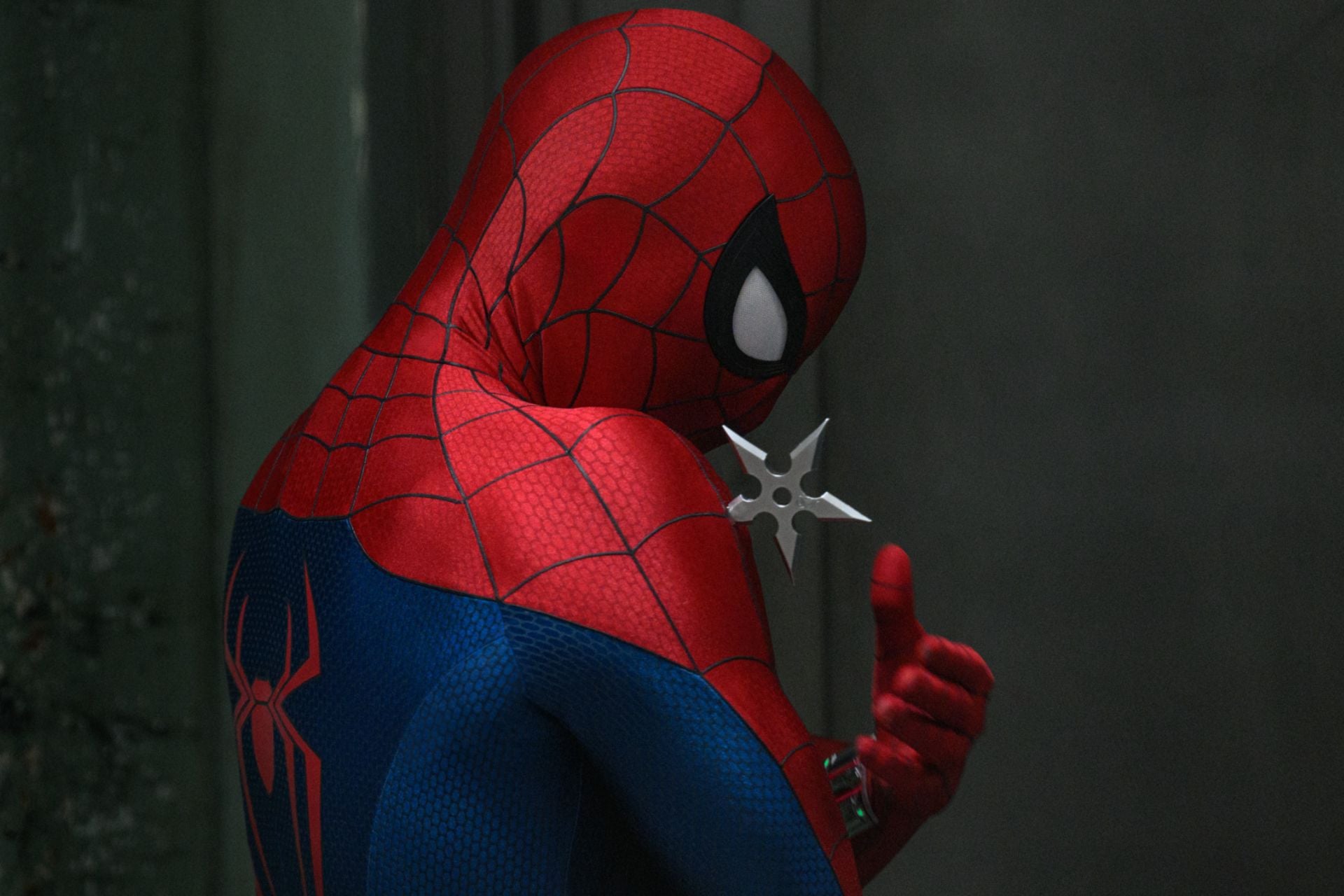
Does Brand New Day change Peter’s character compared with the Home films?
Short answer: yes, but gently. You retain Holland’s wit and agility, but the script pushes him toward a more stubborn, world-weary Parker. That shift isn’t erasure; it reframes the arc. Peter’s heroism is measured in missed birthdays and neighborhood favors as much as in web-slinging spectacle.
I saw a headline call the new film “apology media.” That phrase is everywhere in the industry right now.
There’s a pattern across 2020s media—projects that aim to reassure fans after a misstep. Think Scream 7, Halo Infinite, even the debates around Rise of Skywalker. Sometimes those efforts feel hollow. Other times they’re sincere course corrections. The tricky part is reading intent: is a film saying “we heard you” or “we’re afraid of you”?
No Way Home was itself a form of public apology—an attempt to reconcile different Spider-Man eras and reassure fans this Peter can be small-scale again. Critics and audiences debated whether that film went too far in nostalgia. Meanwhile, box office signals are messy: Scream 6 crossed $100,000,000 (€93,000,000) and still sparked conversation about whether commercial success equals creative permission.
Is Brand New Day just fan-pleasing course correction?
It flirts with that label, but mostly avoids it. The movie acknowledges past missteps without kneecapping them. It repairs tone and focus rather than rewriting history, which is a subtler and, to my mind, smarter move.
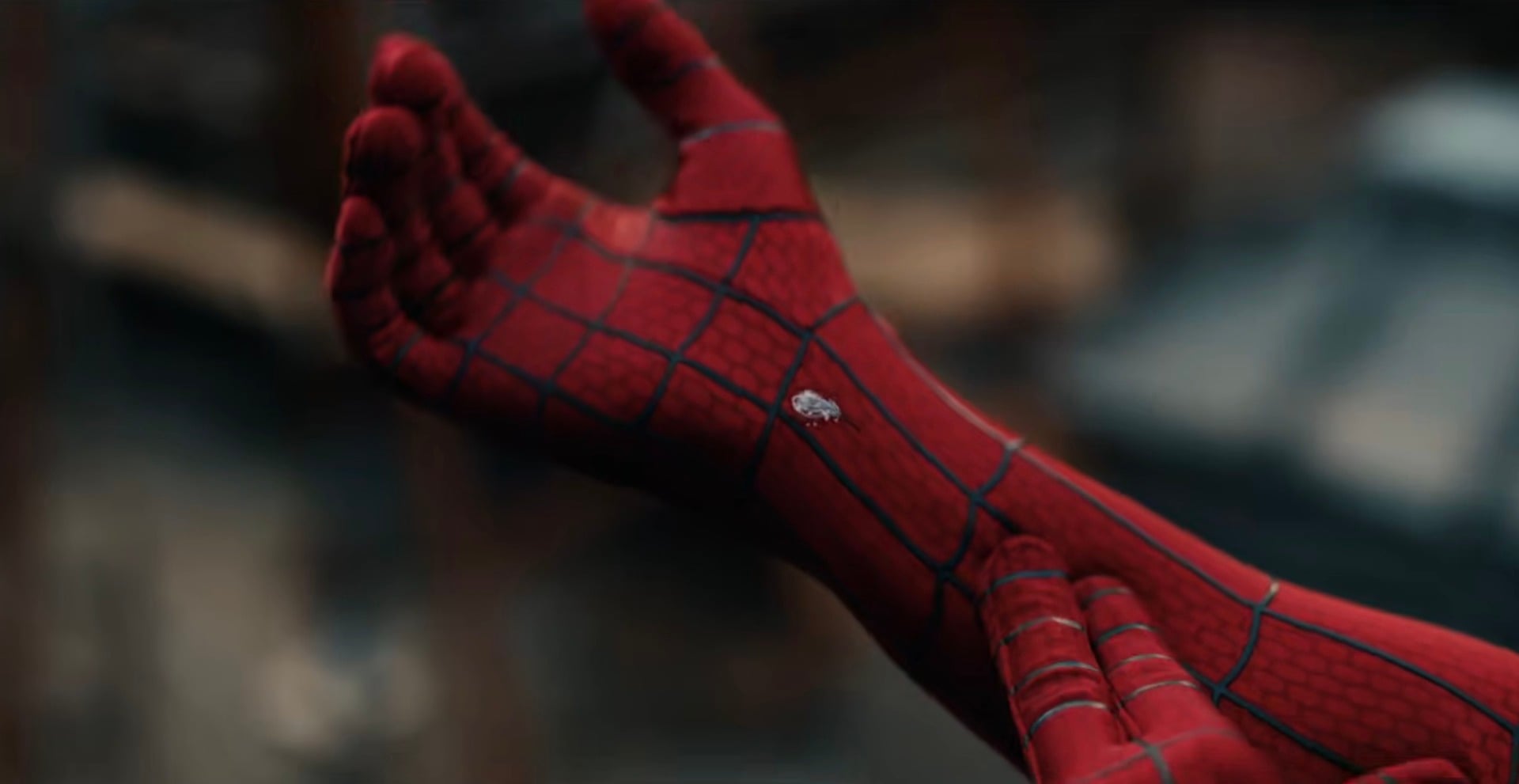
A delivery driver told me the film feels “like a daytime show that learned to fight.” That contrast matters on screen.
The combat and action scenes feel deliberate, tethered to stakes that affect the neighborhood and Peter’s life. The filmmakers borrow narrative pacing from video games and indie comics—Insomniac’s influence is visible in the rhythm and in the way emotional moments are foregrounded over flashy moves.
The creative team respects the Home trilogy enough to keep its successful beats, but repairs what felt missing: consequence, emotional labor, and simpler villain motives. The movie occasionally drifts into “let’s do one big set piece” territory, but mostly it keeps the focus small and, therefore, meaningful.
How does the film set up future Spider-Man movies?
It opens doors rather than slams them shut. By re-establishing Peter as a city hero, the filmmakers create a baseline for conflict that’s personal and communal. That gives writers room to escalate thoughtfully later—if they want to—without sacrificing the grounded tone that made this entry resonate.
I’ll give you two quick metaphors: this film feels like a worn-in baseball glove—comfortable, reliable, and shaped by use—and like a streetlight cutting fog, clearer in its purpose than in its spectacle. Those images are deliberate: the movie isn’t flashy for its own sake; it’s trying to be useful.
I’ve seen fans argue online, on platforms from YouTube comments to threads on Twitter and Reddit, about whether this is enough. My take is simple: the film does what a restorative sequel should—it refines identity, refuses erasure, and gives you reasons to care again. That may not please every faction, but it gives the franchise something harder to fake: an earned sense of belonging.
So tell me—does Brand New Day do the work Peter needed, or is this just a polite reset that delays the next reckoning?