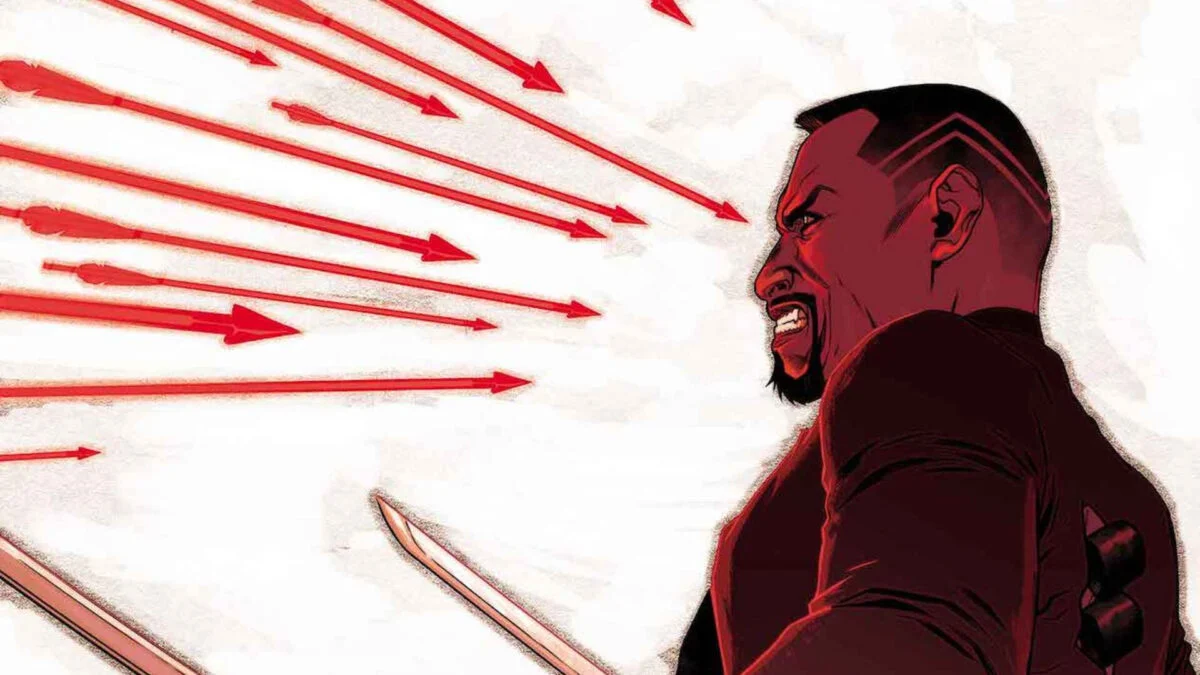
The press release lands and you feel it—an announcement that doesn’t sound like good news. Mahershala Ali posts a measured statement. Kevin Feige admits defeat with the diplomatic shrug of a studio used to rewriting history.
I have tracked Marvel’s near-misses long enough that this one stings in a familiar way: public hope, private fumbles, and an expensive silence. You remember July 2019—Avengers: Endgame high, Phase 4 revealed, Mahershala Ali attached to Blade. What was once a confident headline has become a cautionary tale about how a promising idea can wither under corporate pressure.
On the stage, the applause faded — then the project folded.
The literal timeline reads like a slow fade: announcement in 2019, years of shifting release dates, directors coming and going, and a final confirmation in July 2026 that Marvel’s Ali-led Blade won’t happen. I watched the studio’s statements and Ali’s public posture; he was polite, practiced, and pointedly refusing to do PR damage control for the company.
This is not just another shelved title. It’s a high-profile failure that says something about decision-making at Marvel Studios. Kevin Feige’s half-admission and the performative optimism from studio execs don’t erase seven years of churn. The project now sits like a half-carved trophy left on the mantle, a visible reminder of intentions that never matched execution.
The people who lose are rarely the ones you see in photos.
Call sheets and payrolls are where the consequences hit first: costumers, editors, stunt performers, background artists—real jobs that evaporate when a tentpole stutters. I talk to crew members and producers enough to know how fragile those calendars are; you don’t need me to tell you the ripple effects are often irreversible.
Beyond film crews, the cancellation threatens a single-player game in development at Arkane—makers of Dishonored—and Arkane’s fate is linked to Xbox’s broader restructuring. Microsoft’s Xbox has been trimming staff and reassessing studios after a decade of acquisitions; Arkane Lyon benefits from French labor protections and a consultation process, but “benefit” is an uncertain word here. Bassam Tariq, who once directed Ali, has moved on; so have cast members like Mia Goth and Aaron Pierre, but crew-level losses don’t get the same headlines.
Why was Blade canceled?
Short answer: a mix of creative instability, shifting corporate priorities, and plain old calendar math. You can parse responsibility between studio strategy, director turnover, and the impossibility of squeezing a new franchise into a crowded MCU slate. I’ve seen projects die for less.
Blade survives quietly across games and comics, even if the film died.
If you check player lists and new comic solicitations, Blade is still active: fighting in Marvel Rivals, sporting a katana in Marvel Tōkon, and popping up in Jed Mackay and Devmalya Pramanik’s pages.
That means the character won’t vanish. He’ll likely get more exposure in video games and comics—where creators can write him without MCU constraints—and you should expect players to flock to him in the next season of these titles. The Arkane game’s future is the biggest open question. Xbox’s reorg and studio reviews put the project on precarious footing, but Arkane Lyon’s protections make an immediate shutdown less likely; it’s a slow-motion cliffhanger for employees and fans alike.
What happens to the Blade video game?
It’s in limbo. Arkane’s pedigree gives the project credibility, and Xbox’s platform power affords time, but layoffs and studio divestments make cancellation a realistic outcome. If the game survives, it probably won’t be tied to the MCU timeline; if it doesn’t, expect parts of its work to leak into other projects or new studios to repurpose the concept.
Fans’ anger is loud, and social feeds reflect it in real time.
Scroll any platform and you’ll see complaints about representation and studio priorities: one canceled Black-led movie, another announced project that doesn’t fill the same gap, and a sense that certain characters get shuffled to the margins.
Critics point at the pattern: a Ghost Rider movie slated for 2028 and a third Black Panther the same year doesn’t erase the sting of losing a Blade film led by a Black Oscar winner. To many, it looks like mismanagement wrapped in a veneer of diversity. The studio’s choices here feed a narrative that some communities are treated as interchangeable IP chips, not stories that require consistent commitment—an accusation Marvel will have to answer for sooner or later.
Will Blade ever be rebooted?
Possibly. Characters don’t die in intellectual property the way projects do. You’ve seen Wesley Snipes’ legacy, comic arcs by Jed Mackay, and game entries keep the character alive. Whether Marvel reboots the film before the early 2030s depends on shifting leadership priorities and box-office math, and whether anyone in the studio believes the political cost is worth revisiting.
There’s an industry lesson hidden in this mess.
Public cancellations create credibility debt: fans lose trust, talent gets wary, and pipelines dry up. I’ve worked through enough cancellations to tell you studios pay for this in reputation, not just in accountants’ spreadsheets.
Marvel’s mistake here is both strategic and symbolic. The company mismanaged a low-risk, high-visibility project and let it wither under corporate reshuffles. That rent in Marvel’s tapestry will be pointed to in think pieces and panels for years—each argument building pressure on executives to act differently next time.
You can be angry on social, you can be disappointed in the studio, or you can wait to see where creators take Blade next in comics and games—but whatever you choose, this collapse leaves one practical question hanging in the air: who pays for the next attempt, and will it be worth trusting the studio again?