
I turned the motel key over in my palm and felt the grout between the tiles shift under my shoes. The neon sign hummed a promise I no longer trusted. I tell you: if you value quiet nights and sensible choices, this list will become your warning system.
I’ve spent years tracing haunted sets, talking to directors, and scrolling IMDb pages at odd hours so you don’t have to wander into the worst rooms alone. Read this like a map of places to avoid—unless you want an up-close lesson in what horror movies do best: turn hospitality into hazard.
A long corridor where the wallpaper peels by winter’s weight — Overlook Hotel, The Shining (1980)
The Overlook is a wound in the earth; isolated, grand, and patient. When Jack Torrance arrives the hotel isn’t merely full of cold—it presses memories into its guests until something snaps. You know the room number to avoid. You probably still want to know why the hot tubs of cinema are rarely restful.
A tired neon sign blinking vacancy at midnight — Bates Motel, Psycho (1960)
The Bates Motel is flypaper of desperation: cheap rooms, cheaper promises, and a Victorian house that watches. If you stop because of bad roads and worse luck, remember showers are rarely private in these stories. Norman Bates created a study in hospitality devolving into menace.
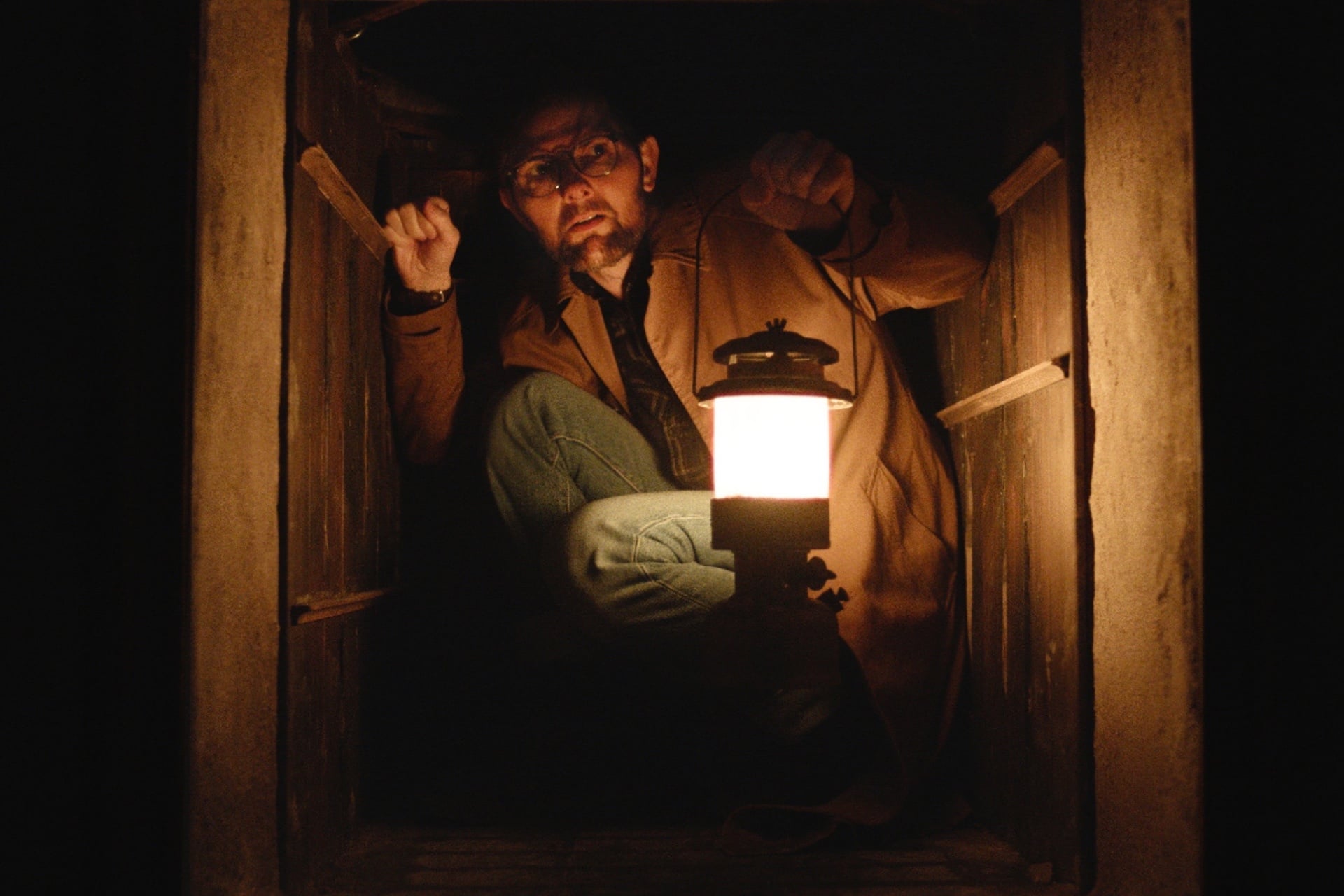
A roadside inn with whispered folklore at the bar — Bilberry Woods Hotel, Hokum (2026)
Small towns sell legends the same way they sell tea: warm and insistently local. In Hokum, the witch story is real, but the most dangerous things are people with motives. Directors used Ireland’s damp light to make the building feel bigger than it is—and smaller than your options when secrets close in.
A glassed façade in Midtown that pretends normalcy — The Dolphin, 1408 (2007)
The Dolphin sits among skyscrapers and taxis; anonymity is its cloak. Stephen King’s hotel tales prove the scariest rooms can be right in the city. Skepticism is a common character flaw in these films; curiosity is what gets you trapped.
What are the scariest hotels in horror movies?
Scariest depends on whether you fear isolation, cruelty, or the uncanny. If you fear solitude, pick the Overlook. If you fear human monsters hiding in plain sight, choose Bates or Motel Hello. If you hate architectural tricks and time shivers, check the Breakwater Inn episode from Apple TV’s big series.
A decaying sign that promises cheap refuge but shows empty eyes instead — Pinewood Motel, Vacancy (2007)
Roadside motels are shorthand in horror for one truth: the cheaper the room, the fewer witnesses. Pinewood isn’t a mistake—it’s a lure for people who think desperation makes them invisible. Directors stage its corridors like a stage of inevitability.
A storm-locked parking lot and bored drivers sharing cigarettes — No-name motel, Identity (2003)
There is something claustrophobic about strangers forced together by weather. Identity uses a motel to put personalities on a looping track toward violence. The setting does more than host the plot: it accelerates it.
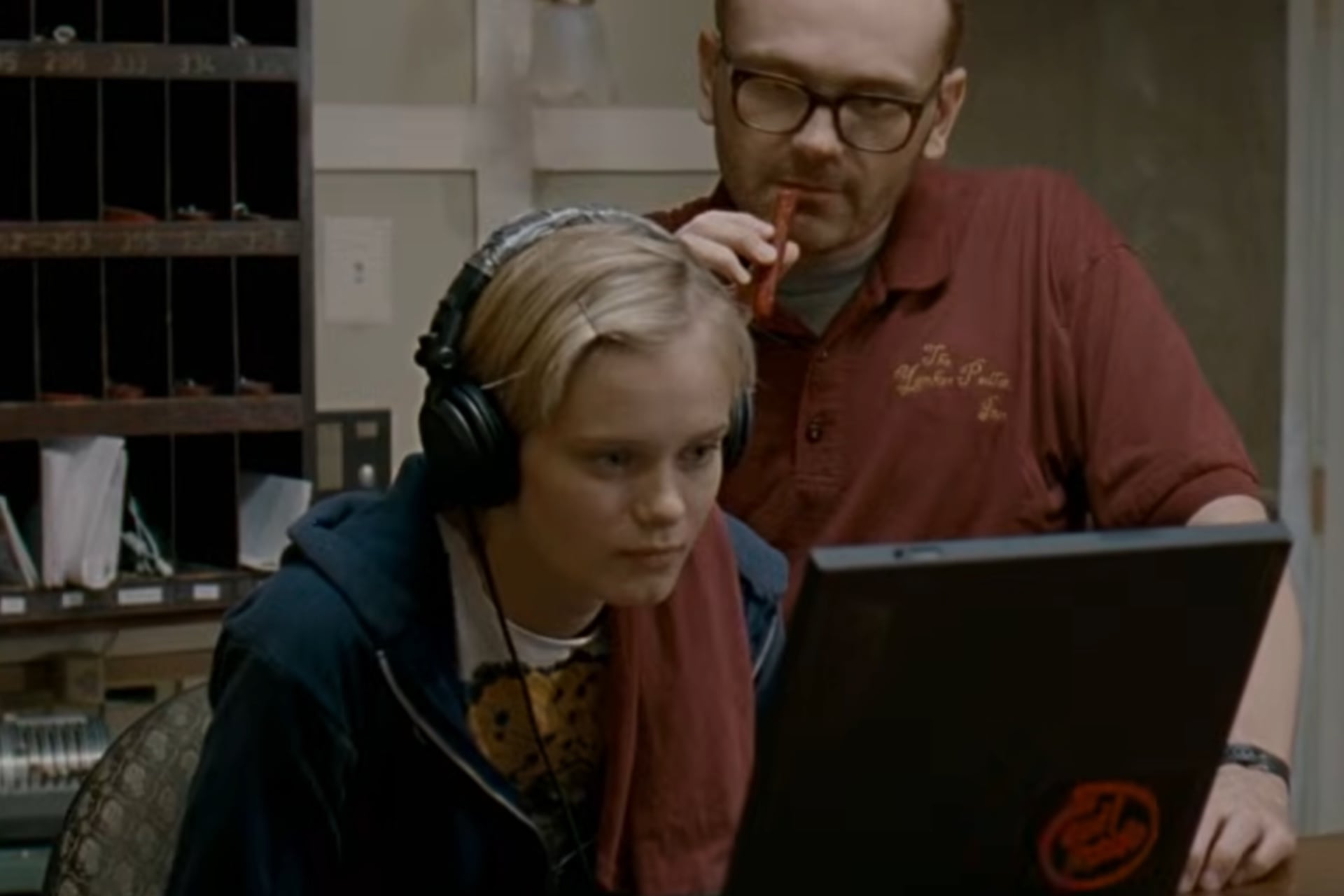
A historic lobby with the squeak of floorboards that people mention on tours — Yankee Pedlar Inn, The Innkeepers (2011)
When a hotel is closing, nostalgia and danger become close cousins. The Innkeepers turns closure into an invitation for the living to look for the dead. The film piles atmosphere over punchlines and lets the building do the heavy haunting.
An abandoned ballroom set up as a scare attraction — Abaddon Hotel, Hell House LLC (2015)
Found-footage thrives on the premise that you discovered the tape in somebody’s trunk. Abaddon Hotel doubles down: a Halloween haunt built inside a truly haunted building. The result is a meta-horror about people making terror for money and getting more than they bargained for.
A seaside inn where the mayor insists everything is fine — Breakwater Inn, Widow’s Bay (2026)
The Breakwater markets charm while squeezing the truth. Apple TV’s episode uses civic pride as a comedic-but-chilling mask: time distortion and uncanny amusements are dismissed by officials until they aren’t. If you trust small-town reassurances, this episode will test that trust.
Are haunted hotels real?
As a journalist, I meet skeptics and mediums on camera and in chat rooms. Haunted hotels are real in stories because human investments—money, memory, fame—keep them alive. Check Rotten Tomatoes or IMDb for critical reception; you’ll see how legend and audience belief inflate a location’s reputation.
A seaside resort that smells of sunscreen and secrets — Hotel Excelsior, The Witches (1990)
Conventions gather strangers and cluster dangers together. Roald Dahl’s adapted nightmare makes a family vacation into a magical trap. The hotel plays host to the horrifyingly ordinary: a conference room where none of the attendees can be trusted.
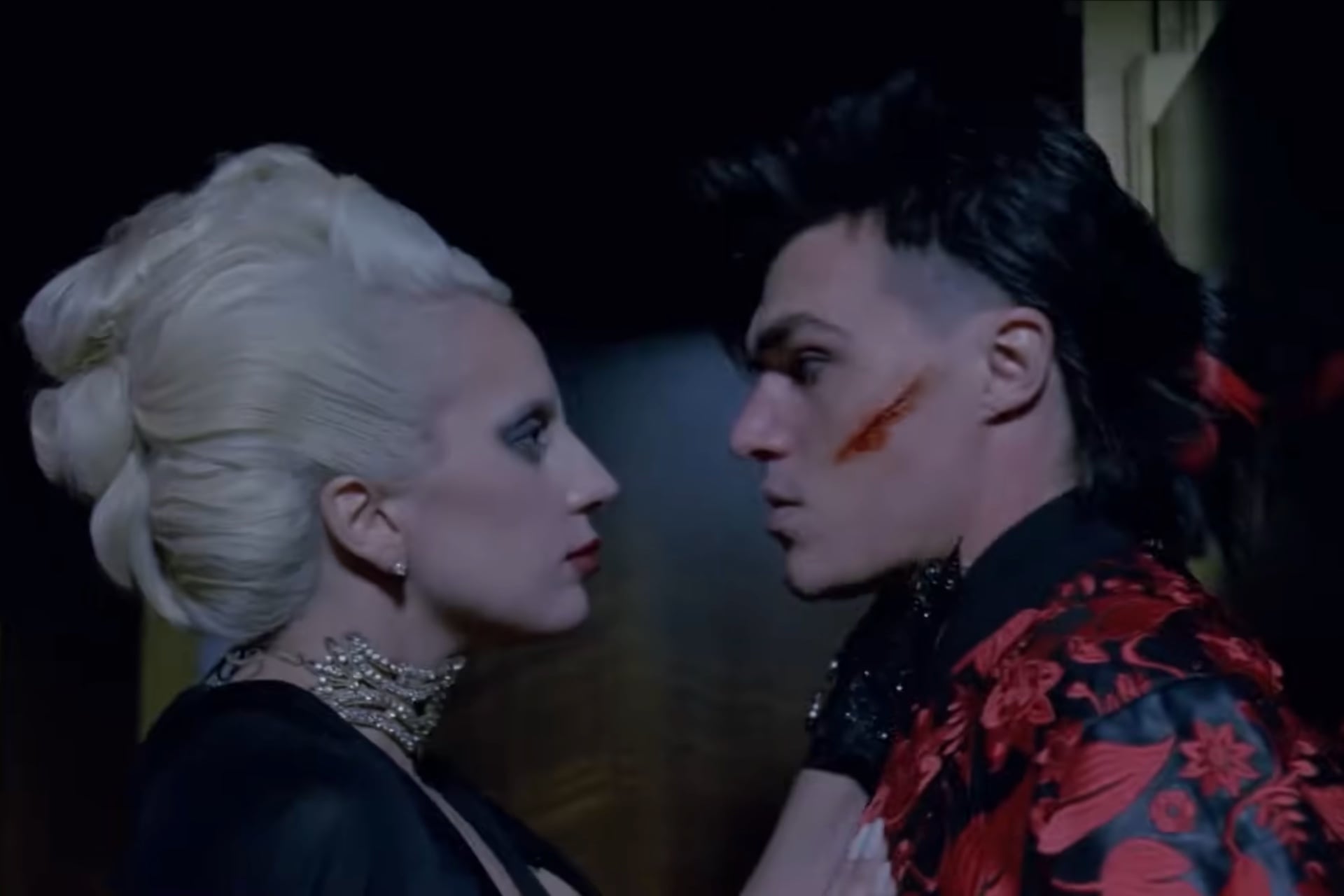
A neon-and-marble relic where glamour hides gore — Hotel Cortez, American Horror Story: Hotel (2015–2016)
FX’s season turned a hotel into a cabinet of horrors with Lady Gaga as its spectacular center. The Cortez stitches celebrity, supernatural victims, and historical violence into a tapestry that dazzles as it repels. This is horror that feeds on image and obsession.
A country motel with a roadside butcher out back — Motel Hello, Motel Hell (1980)
Horror often redirects survival instincts into dark humor. Motel Hell mixes satire with genuine disgust: think of a family business crossing ethical lines until the punchline becomes grotesque. Cult audiences still quote its gags at midnight screenings.
A swampside proprietor and his appetites — Starlight Hotel, Eaten Alive (1976)
Tobe Hooper uses southern heat and swamp fog to craft an atmosphere of creeping threat. Feeding guests to a crocodile is as literal as cinema gets, and the film benefits from a stacked cast you wouldn’t expect for a movie about predation. It’s the sort of oddball entry critics mention when tracing horror lineage.
A small-town inn with a basement nobody visits — Raven’s Inn, Horror Hotel (The City of the Dead, 1960)
Christopher Lee’s presence lends the film a classical menace—an old-school warning that witchcraft in small towns is never just rumor. Raven’s Inn hides history beneath its foundations, and the basement is where the town’s choices come to roost.
If you plan to travel and film locations are on your itinerary, use platforms like IMDb, Rotten Tomatoes, and local tourism sites to check histories, warnings, and visitor reviews—then ask yourself which scares belong on screen and which you prefer to avoid in person?