
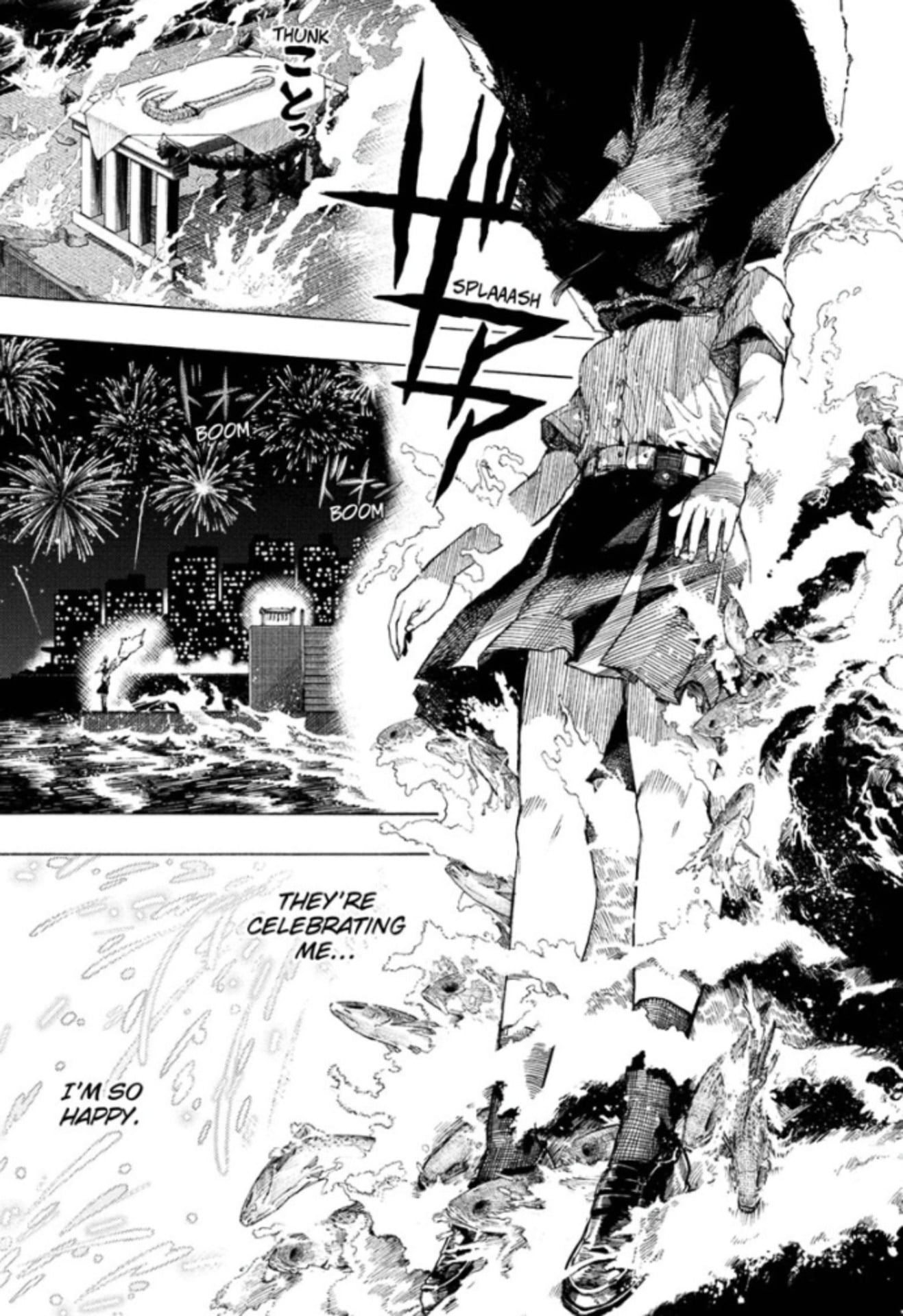
I read the center-color page under a single lamp and froze. Shijima smiled, the world around her still and warm for a beat. Then the smile cracked and the room smelled like rust.
I’ve followed Kohei Horikoshi since he sketched All Might’s grin into our shoulders. You know the grin: reassuring, loud, built to carry a crowd. Now he asks you to read a smile the other way, and he trusts you to notice what everyone else refuses to see.
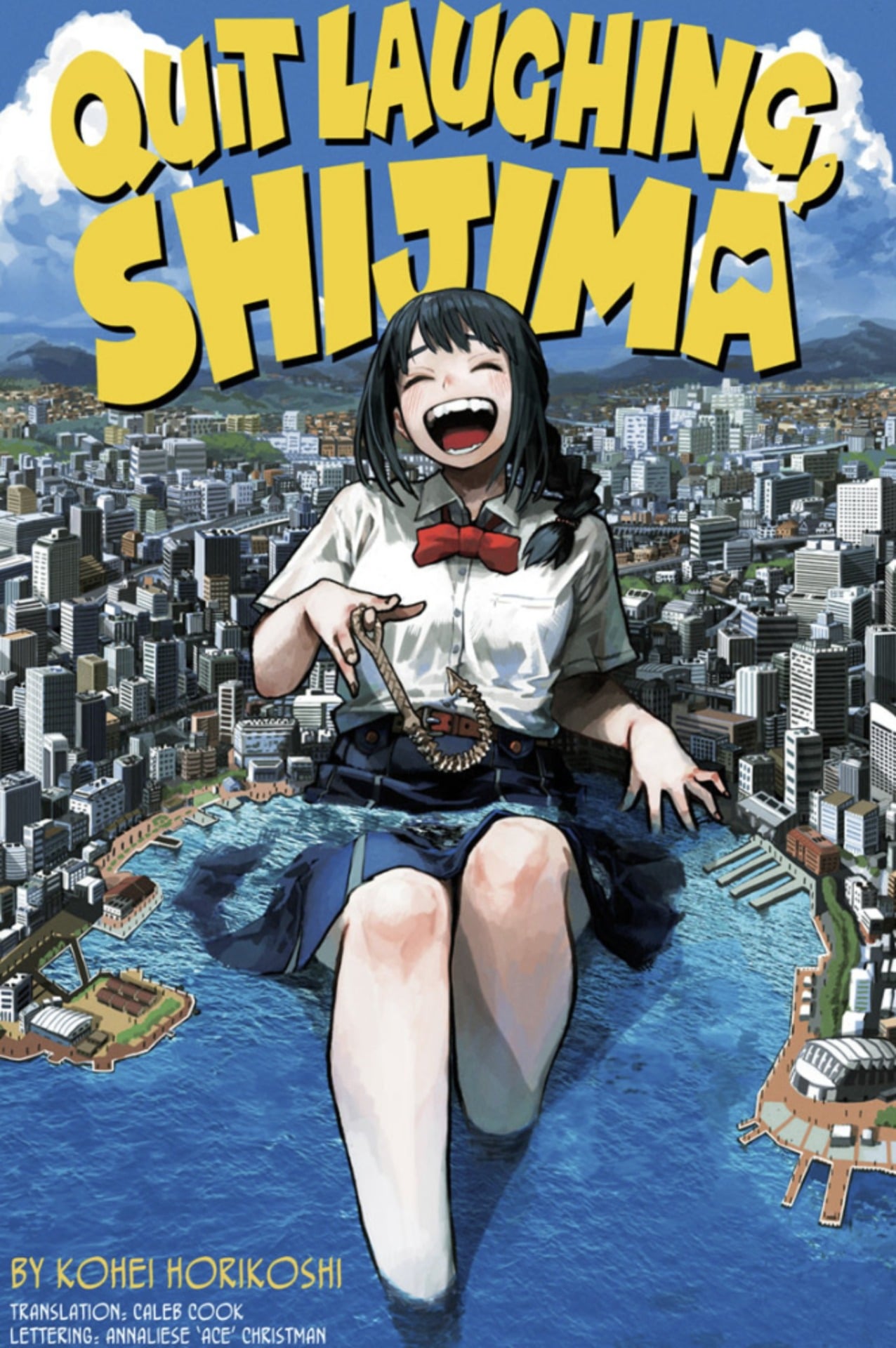
On a friend’s phone I scrolled through a splash page and stopped
The art hits harder when it isn’t under the crush of a weekly deadline. Horikoshi’s linework breathes; panels carry room and weight the way a stage does when the actors finally stop moving. Quit Laughing, Shijima feels like a deliberate detour: a boy-meets-girl story parked in a seaside town that votes to pretend its rot is a festival.
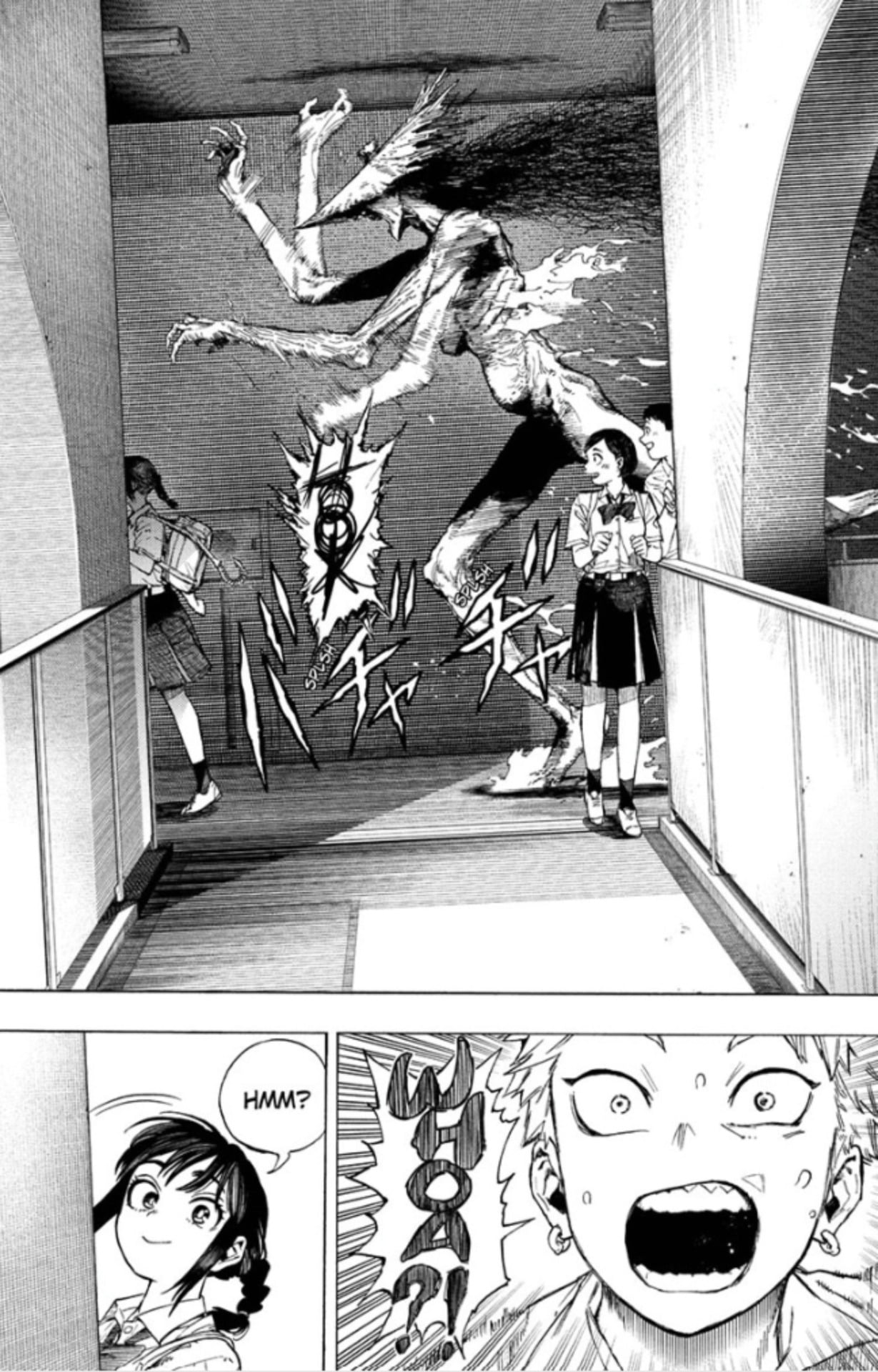
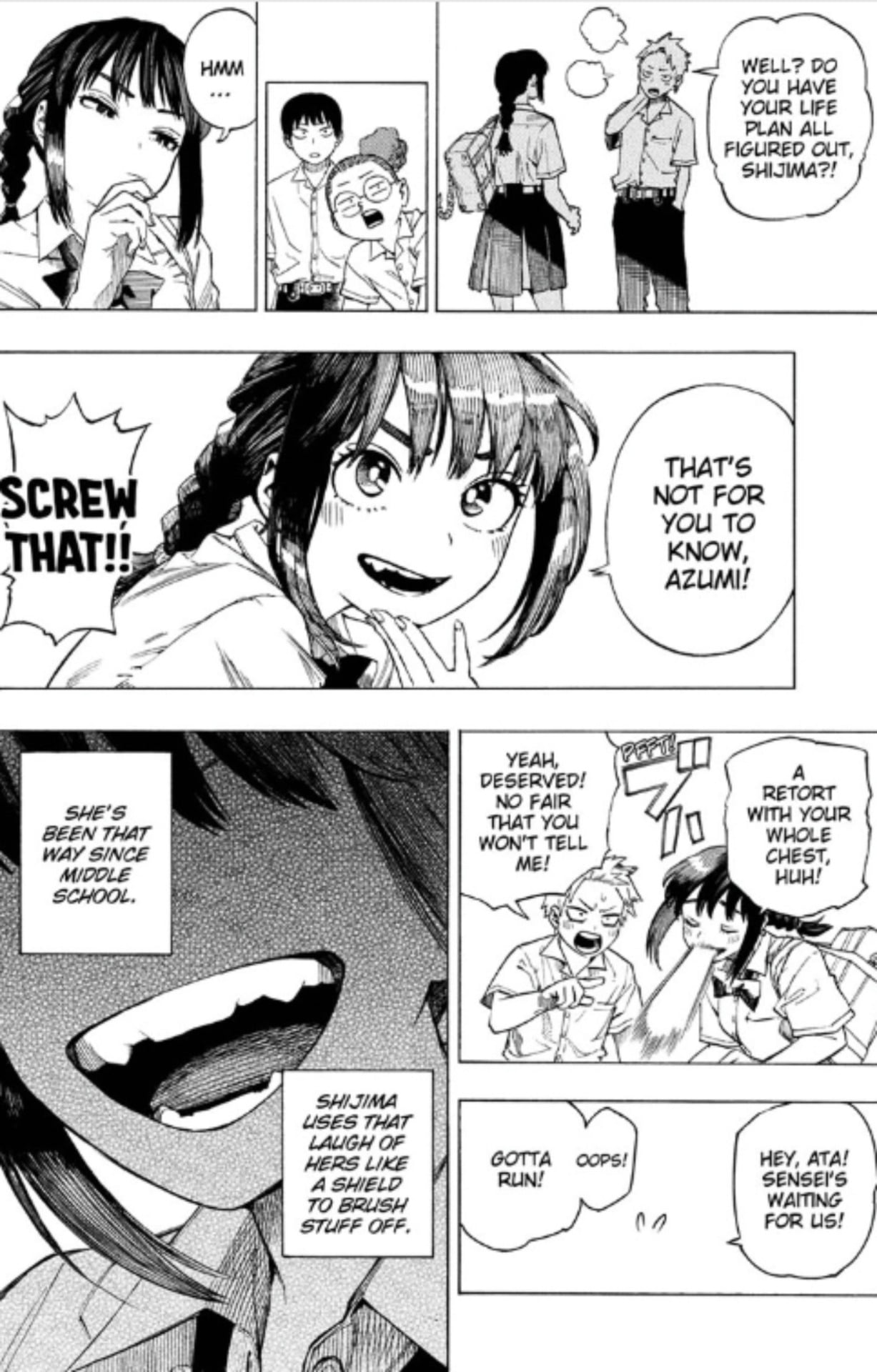
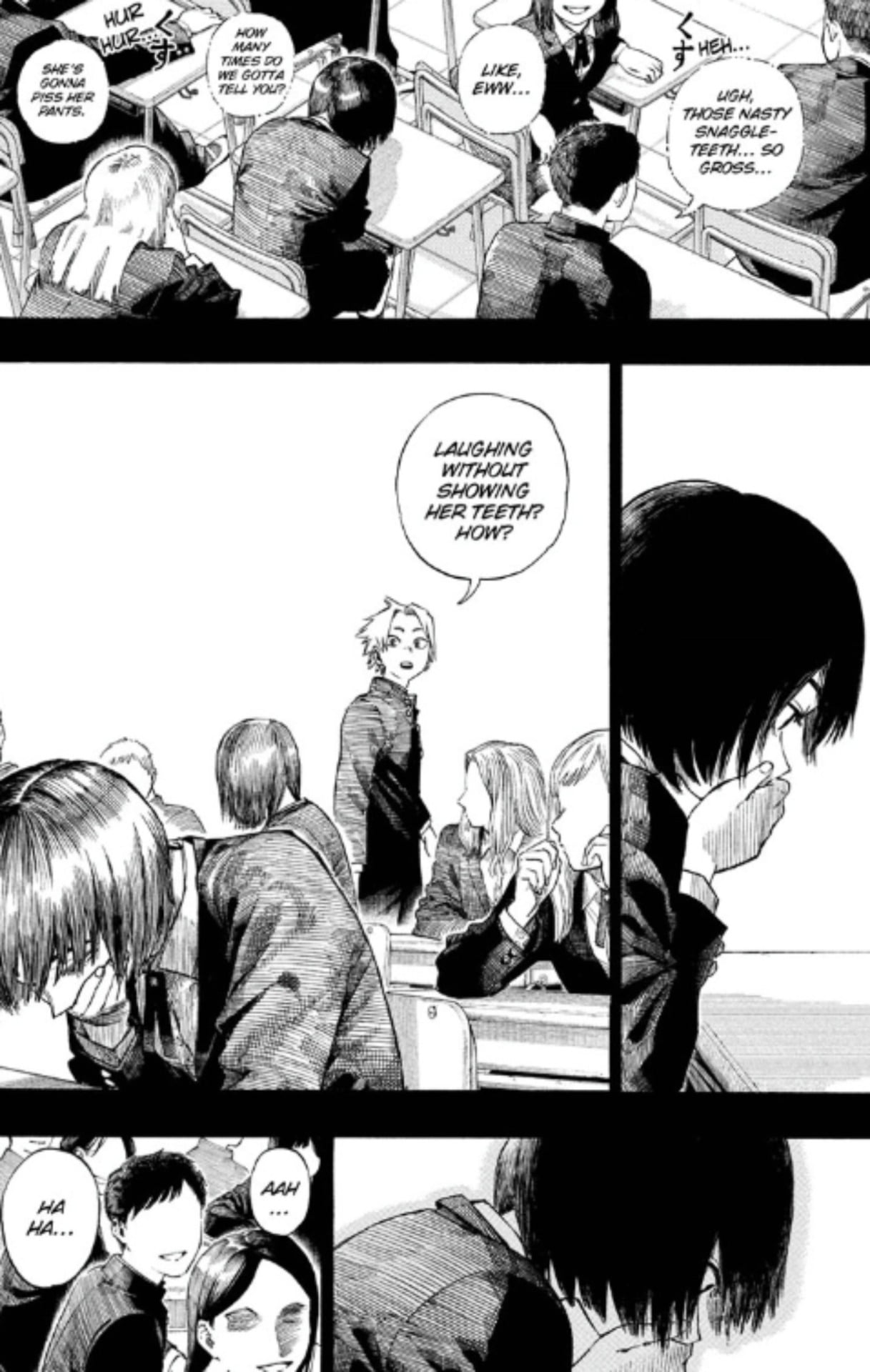
Azumi is the class clown who finally finds a laugh that won’t land. Shijima is the girl whose laugh you’re told to adore, yet she covers her mouth to hide a crooked tooth. Horikoshi flips a romantic shorthand—shared childhood, half-words, obvious affection—into something that quietly frays. What begins as awkward teenage yearning becomes a pull into ceremonial horror when the town’s rituals leak into daylight.
Is Horikoshi writing horror now?
Short answer: yes, in a way that reads like a personal experiment. He isn’t trading superhero arcs for gore so much as taking a motif he’s always drawn—infectious smiles—and rearranging its moral gravity. This one-shot channels the emotional beats fans know from My Hero Academia while steering them into darker social texture.
At a grocery checkout two teens argued about Shijima’s smile
That argument mattered because it showed how a smile can mean different things to different people. Horikoshi has always drawn smiles that signal safety; here he uses the same craft to hide dread. Shijima’s laugh operates as a social currency—beloved until the town would rather sacrifice her than accept her teeth. Her grin becomes a public object, bought and sold by rumor and ritual.
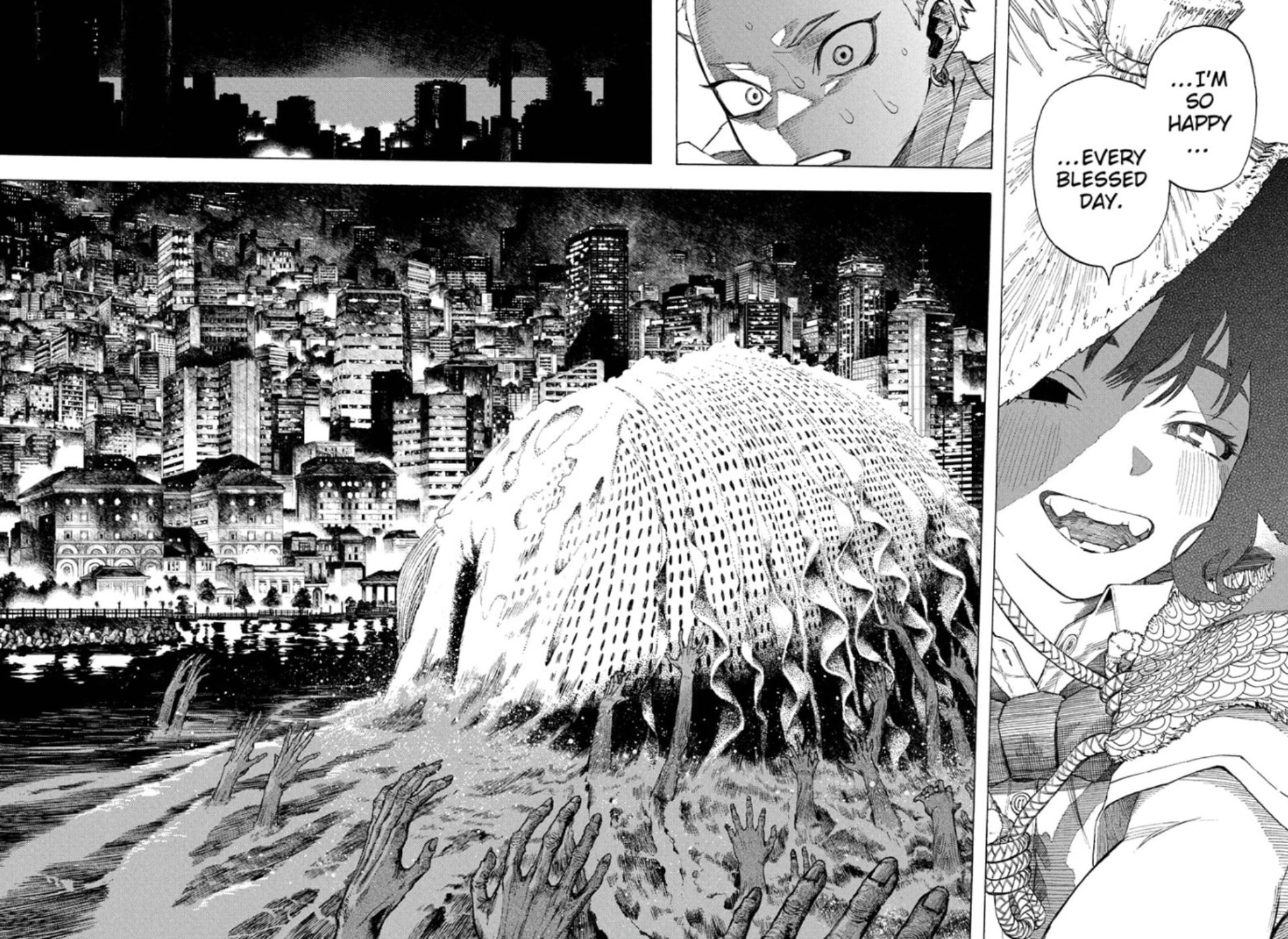
Azumi sees monsters only he can see. The town pretends they aren’t there because denial is cheaper than revolt. When those monsters begin circling Shijima, Azumi chooses to act the kind of way heroes used to act in Horikoshi’s past work—reckless, earnest, and human.
Shijima’s smile is a porcelain mask over a cracked foundation.
I overheard a manga editor on a podcast call Horikoshi’s one-shot a refill of creative oxygen
Editors talk budget, timing, and brand; they also talk appetite. Horikoshi benefits from breathing room—his line fattened now that the weekly grind of My Hero Academia is off the clock. The one-shot reads like an artist testing new muscles: more creature work, denser atmospherics, and a comfort with silence between panels.
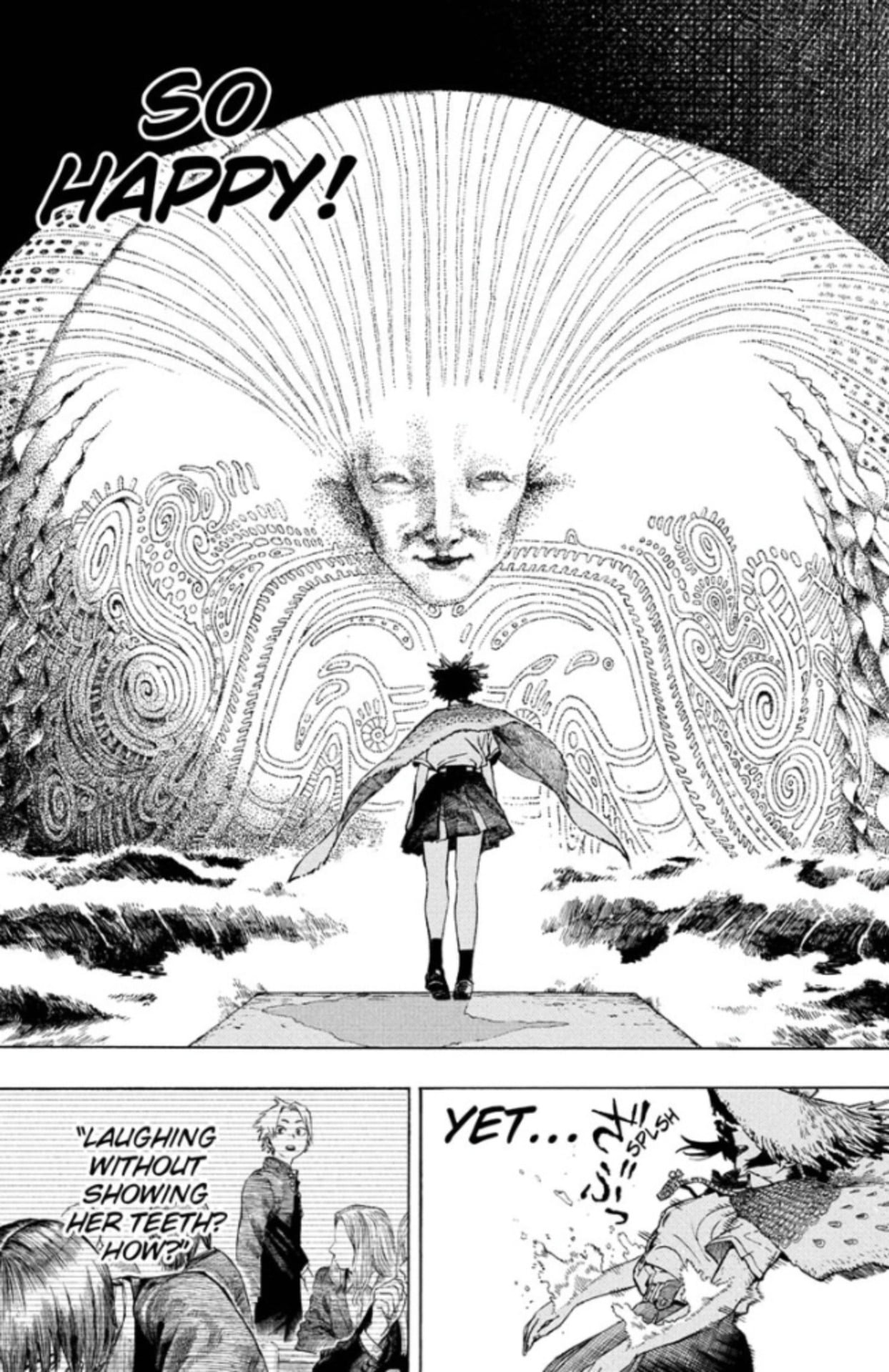
If you follow industry figures—Tatsuki Fujimoto’s willingness to bend expectations after Chainsaw Man, or how editors at Weekly Shonen Jump let creators experiment—you start to see patterns. One-shots are small, focused laboratories. Fujimoto’s Look Back shifted public trust in what a one-shot could be; Horikoshi’s experiment asks whether a creator known for heroic catharsis can make dread feel equally human.
Will Quit Laughing, Shijima become a series?
It could. The ending purposefully leaves a hinge open. Editors and publishers at VIZ Media and Shueisha watch metrics: reader retention on Shonen Jump’s digital platform, social buzz on X, and the kind of fervent fan art that signals sustainment. If enough readers click through on VIZ’s preview and fans amplify Horikoshi’s X posts, the one-shot turns from proof-of-concept into a conversation impossible to ignore.
At my desk I typed the link into a browser and felt both smug and worried
You can find the one-shot on VIZ’s Shonen Jump page and in the combined issue that carried its center color. Horikoshi tweeted the release, and fans—old and new—shared panels across X and Instagram. The distribution ecosystem is familiar: creator tease, platform hosting, community amplification. What’s different is the tone; a mainstream name asking readers to trade reassurance for unease.
If you’re curating your own list—VIZ’s website, Shonen Jump’s digital issue, Horikoshi’s X feed—watch for the metrics that matter: readership spikes, clip sharing on Instagram and TikTok, and how quickly panels become gifs. Those are the same levers editors and publishers use when deciding whether a one-shot graduates into serialization at Weekly Shonen Jump or elsewhere.
I closed the tab and kept thinking about the last panel
It’s rare that a creator known for catharsis asks you to sit with unease and then hands you the flashlight. Horikoshi could have returned to capes and swells; he didn’t. He tried a focused horror experiment that borrows from the emotional grammar he perfected in My Hero Academia and reassigns its morality to ritual, secrecy, and the violence of social performance.
Horikoshi’s panels are a surgeon’s scalpel, precise and clinical.
I’ll keep watching. You should, too—if only to see whether the industry and readers will let a mainstream shonen hand its smile to horror and call it a new kind of brave. Do you think Horikoshi should keep trading capes for cult rites?