
The room tightened when Bob Gale opened a faded, stapled packet and pointed to the last line. I could feel the movie I thought I knew shift under my feet. You realize a film’s final word can be a decision made in a single breath on set.
I spoke with Gale over video chat about Back to the Future: The Complete Screenplay, the new Insight Editions release that layers the shooting draft with running annotations from the man who wrote the script with Robert Zemeckis. I’ll take you through the moments that were changed, the lucky mistakes that became jokes, and the tiny production choices that remade scenes we all quote by heart.
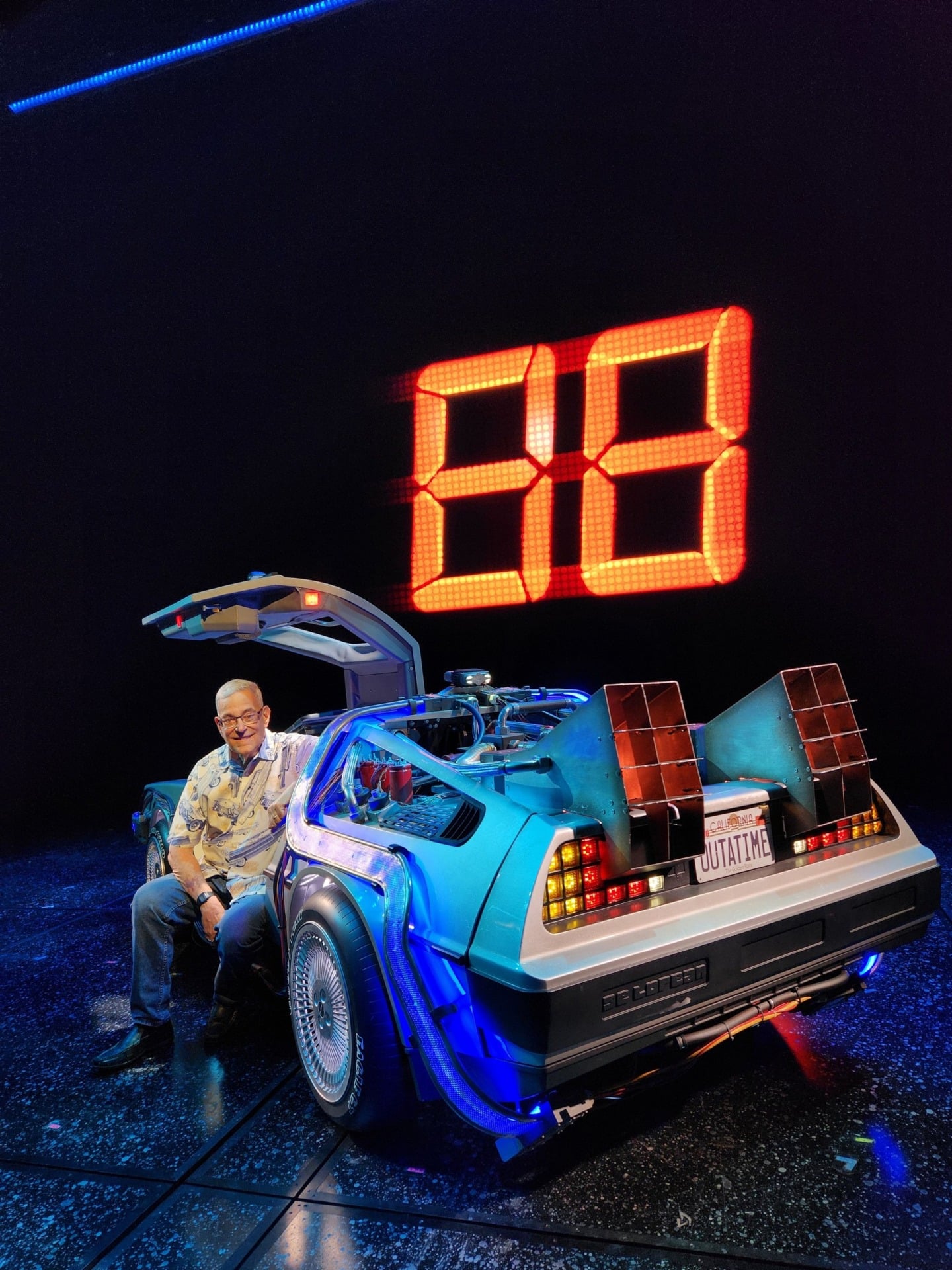
On a video call, a script supervisor’s marked pages made the air go thin
I watched Gale riff through a box of production artifacts and pull out the actual page where the movie’s last line was altered. He read the notes: someone had scratched out “use” and wrote “need.” That small edit is now cultural DNA — “Roads? Where we’re going, we don’t need roads.”
He told me the change was made on set — not a studio memo, not a rewrites meeting in a glass room, but a spontaneous swap while the cameras were rolling. That’s the kind of creative authority you only get when writer and director are in sync: Robert Zemeckis, Christopher Lloyd’s instincts, a script supervisor’s pen, and a choice that stuck.
What was the original ending of Back to the Future?
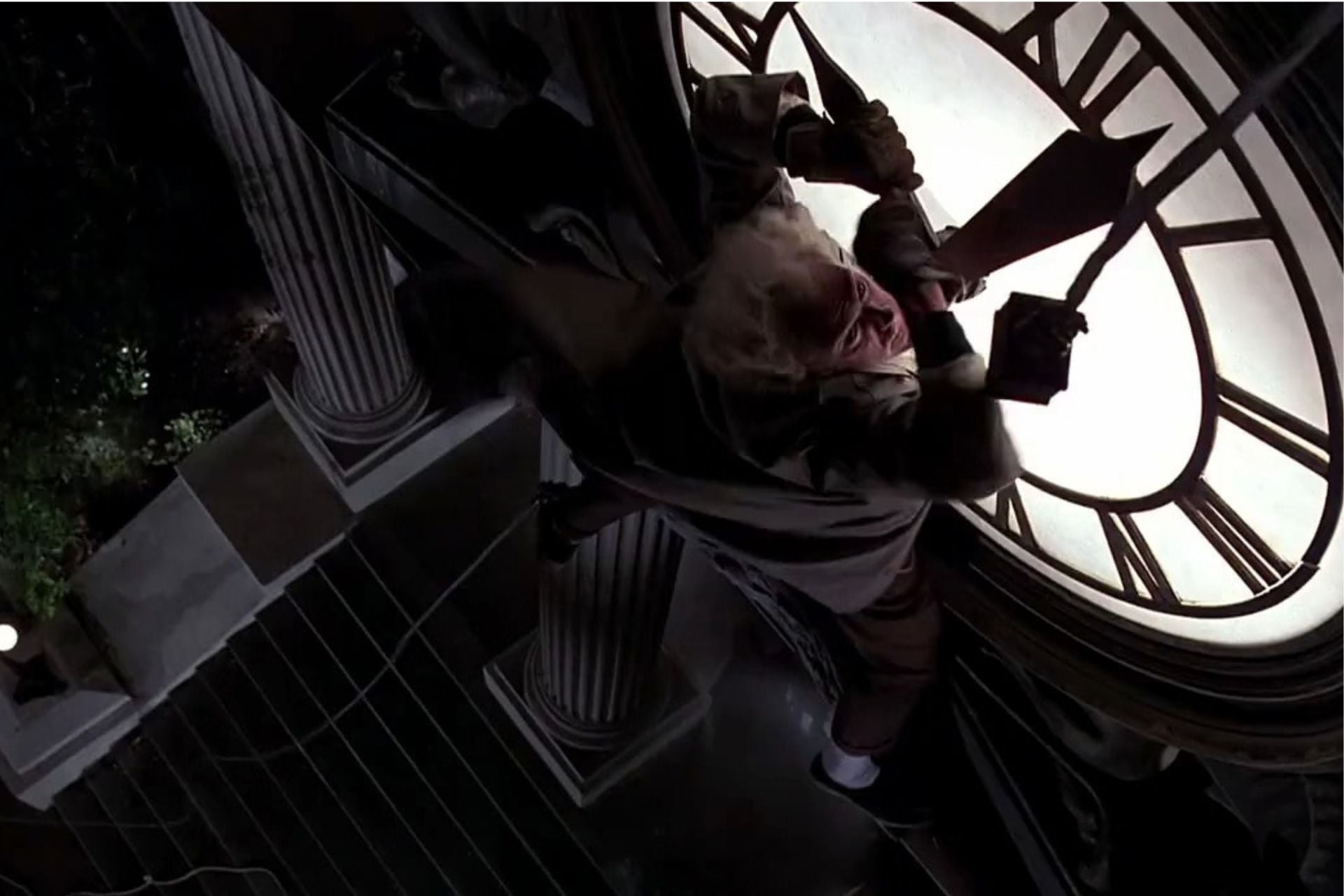
The earliest drafts ended at a nuclear test site where Marty would harness a blast to power the DeLorean. Budget forced a rethink. Instead of shipping cast and crew to Nevada, the team built a clock face on the Universal courthouse and staged lightning, timing, and choreography around it. The result was more cinematic and less expensive — a rare happy marriage of creativity and accounting.
On the street, an orange vest changed Marty’s look
Gale told me he literally saw a man wearing an orange down vest between casting decisions. That sight became Marty’s most recognizable wardrobe move. It’s an example of how a random urban detail can become a character shorthand.
Why was Eric Stoltz replaced in Back to the Future?
Eric Stoltz was cast and filming started, but the tone wasn’t aligning with Zemeckis’ vision. Recasting Michael J. Fox meant rewrites and scheduling gymnastics — and it gave the production an unexpected luxury: time to re-evaluate scenes and fix things. The orange vest anecdote came from that pause; wardrobe that once risked anonymity was rethought into comedy and clarity.
On the lot, an unadorned courthouse became a storytelling hinge
The courthouse on the Universal backlot had no clock until budget limits forced improvisation. That constraint birthed the clock tower sequence, turning a practical problem into the film’s emotional and visual climax. Limits sharpened invention.
The book reproduces the fourth draft — the shooting draft Universal greenlit — and then layers notes about what shifted in production. Reading Gale’s annotations is like a detective’s notebook: it documents who suggested a tweak, why a joke landed, and when a line was rewritten in the heat of shooting.
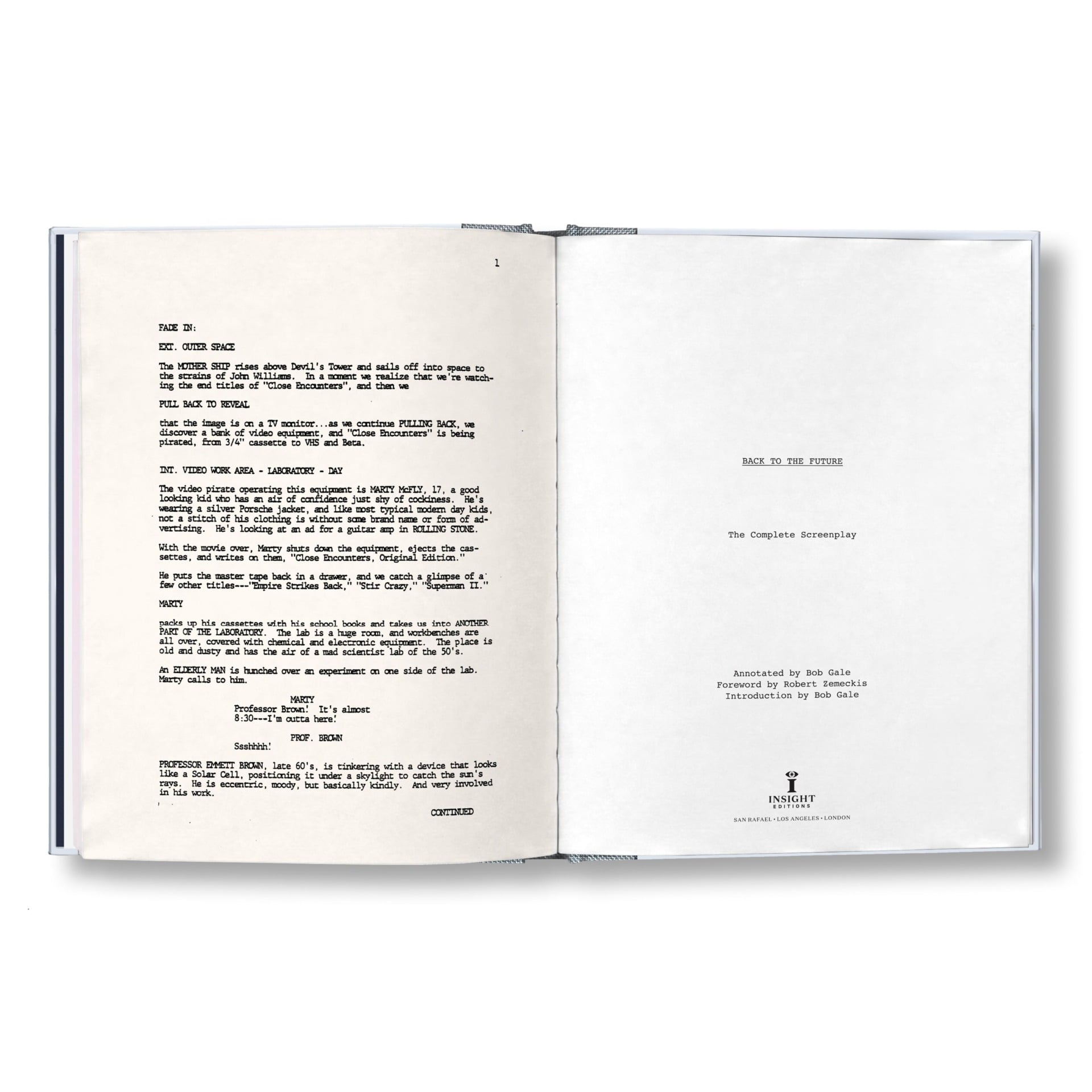
On draft pages, small jokes were plotted like landmarks
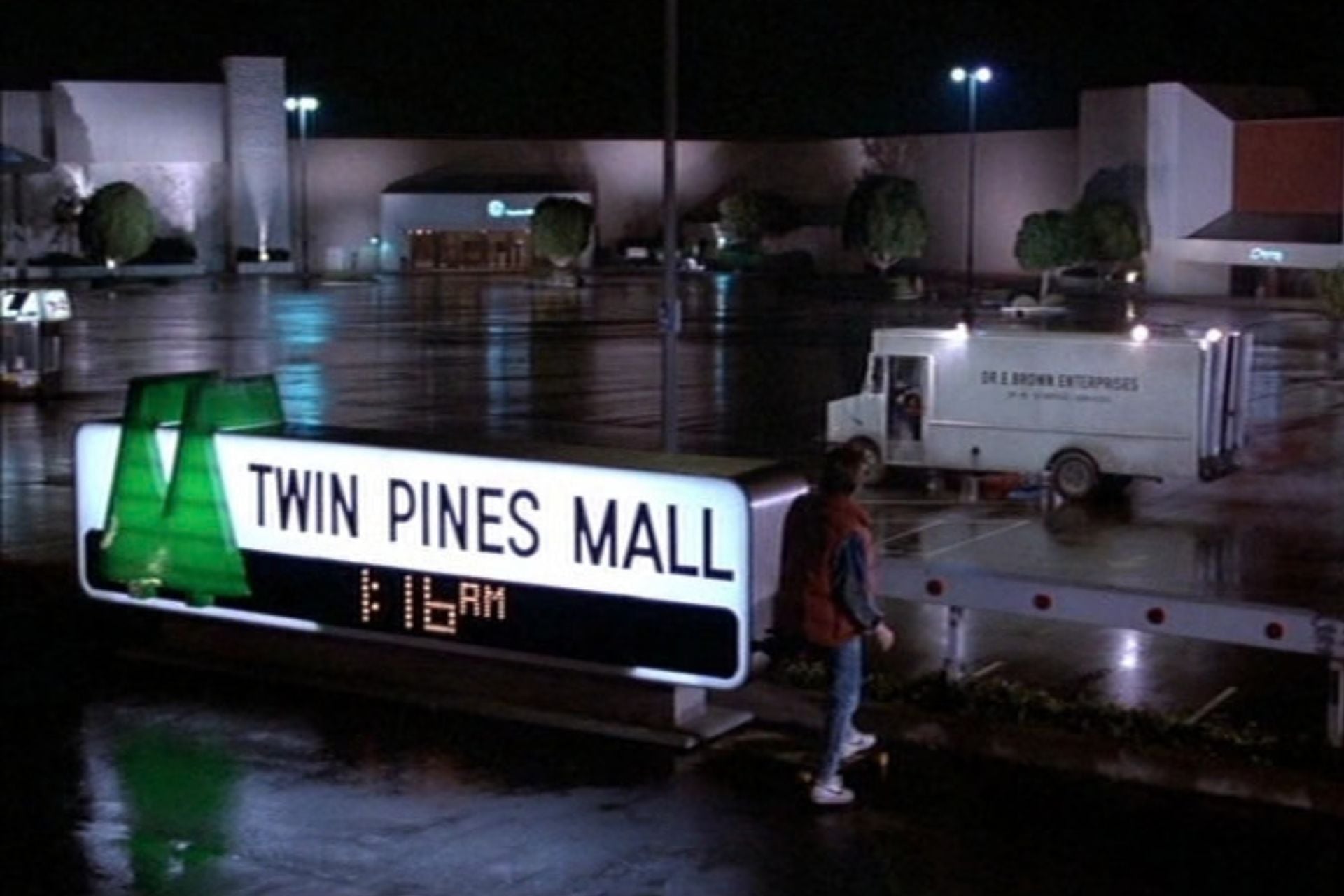
Early scripts label the mall as Three Pines — later it becomes Twin Pines, then Lone Pine. That change is printed in the shooting draft and preserved in Gale’s notes as a wink: Marty hits one of Old Man Peabody’s pines, and the name shifts as a visual gag.
Those tiny continuity jokes weren’t accidents. They were deliberately planted, then refined through rehearsal and camera blocking. The screenplay edition gives you both the scaffolding and the final ornamentation, page by page.
On camera, Marty and Doc’s friendship reads immediate and uncomplicated
Gale reminded me that the relationship is plain: the kid wants access to weird equipment and the inventor enjoys an excited apprentice. Today, executives might flag that dynamic and ask uncomfortable questions. Back then the chemistry was allowed to breathe and the audience accepted it.
That trust between creators and viewers is part of why the screenplay edition resonates. It’s precise, worked through, and calibrated the way a Swiss watch measures seconds — each choice timing the next beat so the joke and the tension land where they should.
Who wrote Back to the Future screenplay?
Bob Gale and Robert Zemeckis co-wrote the screenplay; Gale annotates the new book. Insight Editions packaged the shooting draft alongside photos, alternate openings, and production notes so readers can follow changes from page to set to final cut. You can preorder through Insight Editions, Amazon, or specialty sites like the Back to the Future store if you want collectible versions and extras.
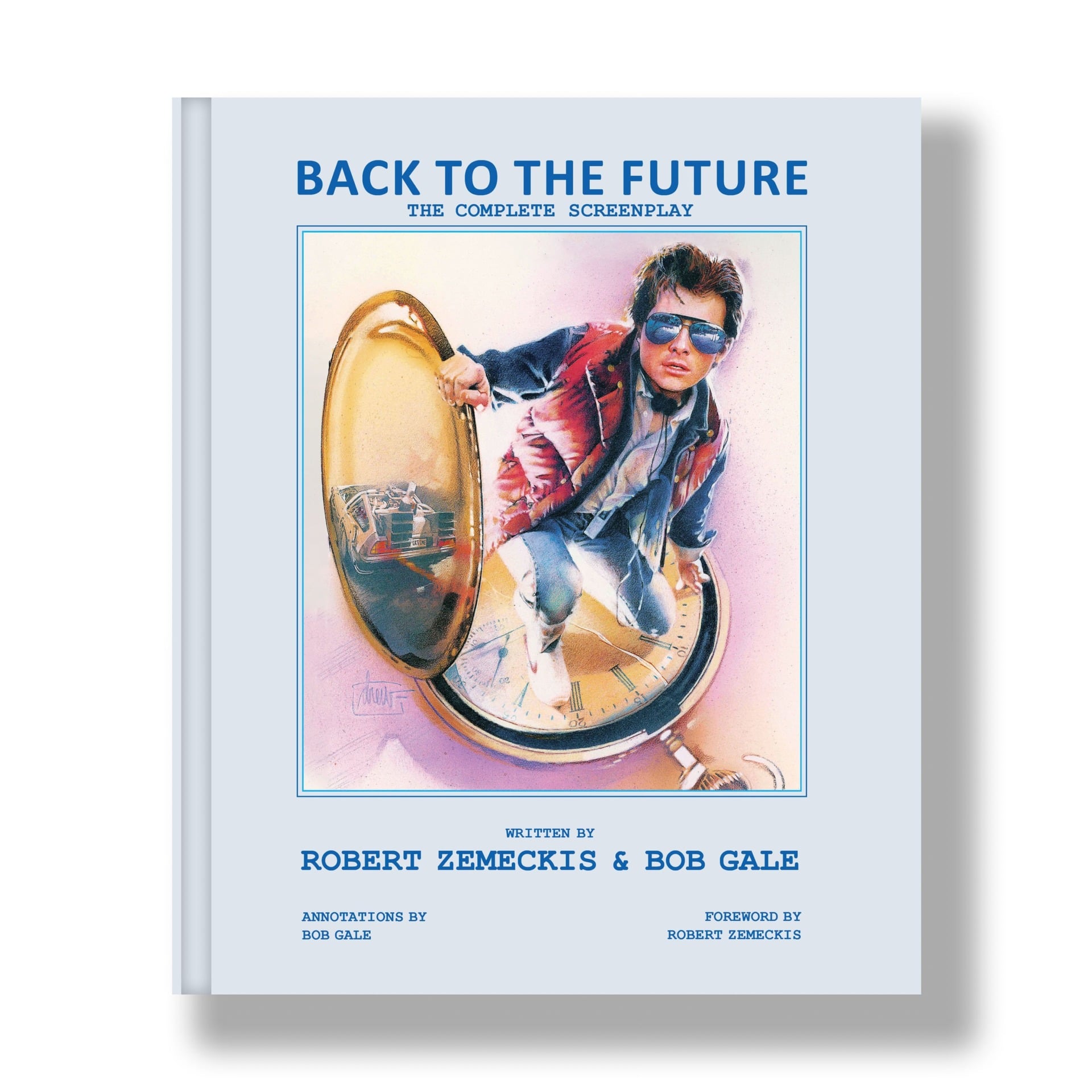
Reading Gale’s annotations felt like sitting next to the writer at a table strewn with drafts, photos, and marked-up call sheets. If you care about how movies are made — from Final Draft pages to script supervisor notes and Universal’s backlot improvisations — this edition is a rare, tangible classroom.
I left the conversation thinking about the smallest decisions that ripple outward — a vest seen on the street, a scratched word on the final page, a courthouse clock erected because the desert was unaffordable — and I wonder if any modern studio will let those accidents survive to become legend; are studios today brave enough to let chance steer a classic?