
The dodgeball is a verdict. The kid leaves the gym a monument to menace. I watched that scene and felt the movie shift from small-town melodrama into a private theology of terror.
I write to you as someone who grew up on late-night VHS and a steady diet of ritual horror, so when Frank LaLoggia’s Fear No Evil resurfaced on Shudder I paid attention. You know the hook: sheltered teen, strange powers, a town that can’t decide whether to scapegoat or save him. But LaLoggia stitches Biblical prophecy to adolescent cruelty in ways that keep you unsettled long after the credits roll.
At gym class the rules were obvious: some players dominate, others break fast. The dodgeball scene detonates everything you think you know about teenage cruelty.
That sequence is why people still talk about Fear No Evil. It’s not just a showdown—it’s a brutal ritual with consequences glossed over by the film’s brisk editing. The carnality of the crowd, the teacher’s passivity, and the sudden escalation all make you uncomfortable in two ways: you remember similar violence from your own life, and you see how easily small cruelties can escalate when the supernatural slides into human error.
The movie borrows a visual grammar that will feel familiar to anyone who watched Mike Flanagan’s adaptations on Prime Video or Stephen King’s outrider stories, but LaLoggia’s palette is weirder, stranger, more prone to tonal whiplash. The result is an uneven but unforgettable balance of teenage nastiness and cosmic appointment.
Is Fear No Evil on Shudder?
Yes—Shudder restored access to this offbeat 1981 cult title, and the platform’s curation makes sense here: it’s aimed at viewers who collect oddities rather than escape hatch horror. If you browse Shudder alongside recent Flanagan releases, you’ll see how platforms shape what gets reappraised and why certain obscurities become conversation starters again.
On Main Street the priest was a rumor you heard at the diner. The film uses that small-town gossip to expand into a County-wide theology.
LaLoggia opens with Father Damon (who is actually Rafael) trading blows with a devil-figured man; the prologue insists a cosmic ledger must be balanced. When the promised second coming arrives, he’s been reborn as Andrew, a socially awkward kid whose academic smarts can’t filter out the creepiness that leaks from him. The movie spends equal time on confinement—the priest’s prison days—and on local superstition: Margaret/Mikhail living off-grid, a town that treats holy language as gossip, and a classmate who unknowingly carries angelic authority.
Because the film treats prophecy as a schedule rather than a mystery, it turns ritual into plot mechanics: baptisms that go wrong, a religious play that becomes sacrificial theater, and a final showdown that reads like an insurance claim from another dimension.
How does Fear No Evil compare to Carrie?
Ask that because the skeletal comparison is obvious: bullied teen, telekinesis, gym humiliations. But where Carrie centers female shame and social etiquette exploding into spectacle, Fear No Evil folds in explicit angelic mythology and a town’s investment in prophecy. If King’s novel is a scalpel, LaLoggia’s film is a weirdly blunt instrument: it scars and irritates in equal measure.
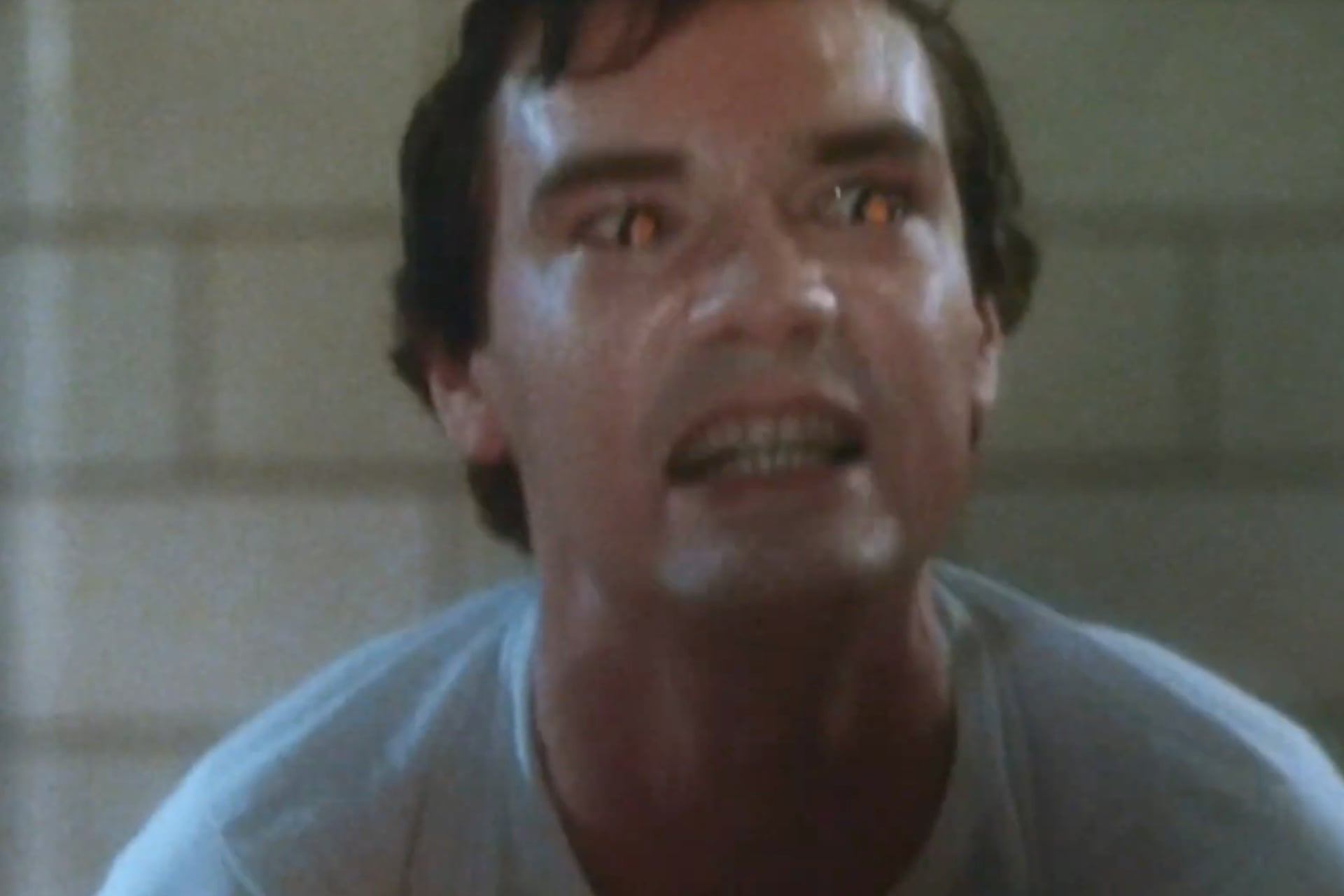
At the bar people shout their own confessions. The parental panic scenes feel accidental and grotesque at once.
Andrew’s home life reads as doomed theater. His parents’ unraveling has a touch of camp—the father’s public breakdown in the bar is almost operatic—yet those moments do heavy lifting: they make the town’s denial a character in its own right. LaLoggia doesn’t let you forget the social cost of prophecy when it lands in flesh and blood.
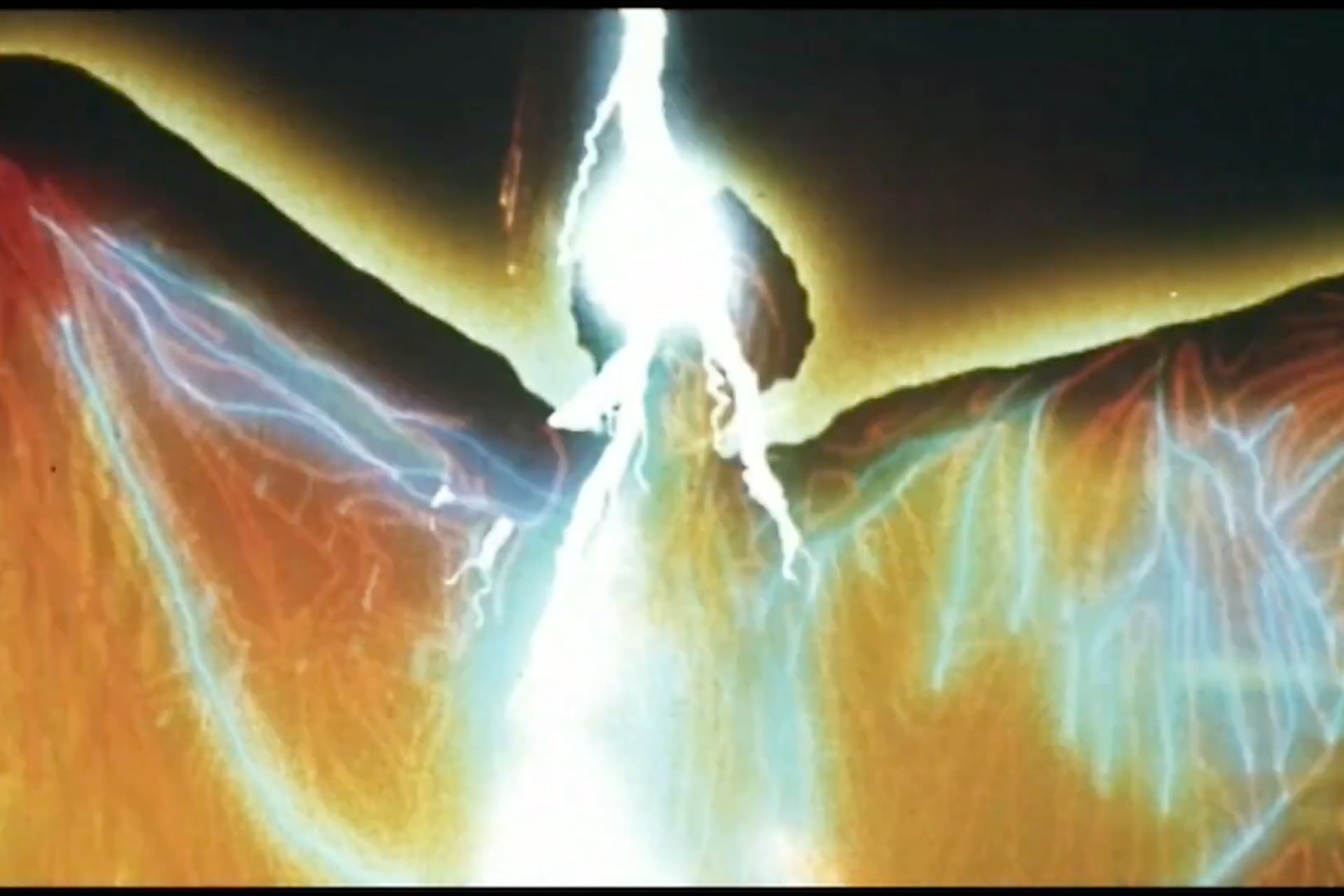
The film’s third act leans into practical effects and a gothic location—Lucifer’s hideout in a castle-like island house—which pulls the movie toward that rare 1980s feeling where craft and budget clash in a way that becomes charisma rather than flaw.
At the record store the soundtrack was the late fee you paid for taste. The film’s punk and new wave choices are perversely brilliant.
LaLoggia loaded the movie with tracks from the Ramones, the Talking Heads, and the Sex Pistols, and that soundtrack placement gives the film a countercultural pulse. It’s striking that an indie horror picture from 1981 snagged such songs and now survives on streaming without the usual licensing purges; that fact says something about how rights management and curation by platforms like Shudder, Criterion, and major label catalogs can resurrect oddballs for new audiences.
I won’t suggest that Andrew’s arc makes him sympathetic—he’s deeply unpleasant, and the script doesn’t try to sell him as tragic rather than dangerous. But Fear No Evil asks an audience to sit with a harder question: when a town outsources morality to prophecy, who gets to decide what justice looks like?
If you’re the kind of viewer who pays attention to how streaming platforms remake taste, or you follow Mike Flanagan for his careful tonal shifts, this film is a curious footnote that still bites. Will you watch it simply for the dodgeball sequence and the soundtrack, or because you want to see how a small-town theology handles its monsters?