
I arrive at the Music Box Theater, ticket in hand, the marquee throwing a cold wash of light across my face. The trailer’s strobe pulse clamps down—then the house goes silent and the film begins. By the time the credits rolled, I felt like I’d been hit by a revelation.
I’m writing to you from inside that revelation: Warner Bros. Clockwork’s uncensored 4K director’s-cut of Ken Russell’s The Devils isn’t a festival relic for collectors only. It’s a living, breathing argument about what cinema can do when it refuses to be safe.
Outside the Music Box I stood under a neon sign that spelled an old rumor in fresh light.
People told me The Devils was the most controversial film ever made; I wanted proof rather than hearsay. What I saw on 35mm was a film restored with care and a ferocity that feels rare—Warner Bros. Clockwork didn’t just polish the negatives; they returned the film to full force.
What is Ken Russell’s The Devils about?
Based on Aldous Huxley’s The Devils of Loudun, the story follows Father Urbain Grandier—played by Oliver Reed—and a scandal that swells into mass hysteria. Vanessa Redgrave’s Sister Jeanne fuels accusations of witchcraft against Grandier, and the church and state collude to turn scandal into spectacle. It’s a trial movie, a satire, and a horror film that refuses to pick a single lane.
I remember laughing, then recoiling, and laughing again within the space of a single scene.
The film’s tone twists like a knife: broad satire and sharp brutality sit side by side. There’s a moment—Grandier parrying a sword with a taxidermied crocodile—that had the entire house snorting with disbelief. Yet Russell layers that absurdity over real anger at institutions that manufacture enemies to hide their rot. The film is a thunderbolt of rage.
Oliver Reed gives Grandier a swagger that’s riotous and tragic. Vanessa Redgrave’s Sister Jeanne is all pitch and splintered obsession. Michael Gothard’s Pierre Barré chews the moral scenery until it’s unrecognizable, and Derek Jarman’s production design elevates every frame into a bruised jewel.
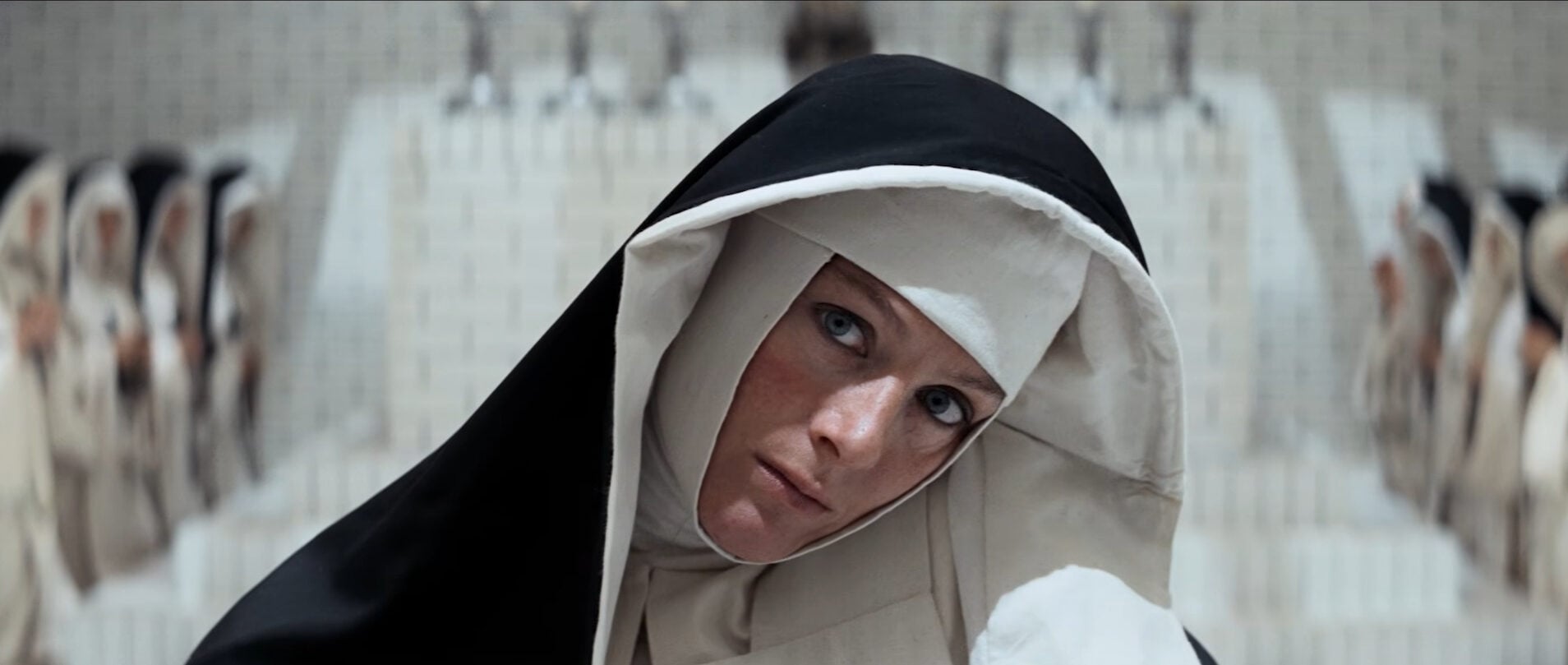
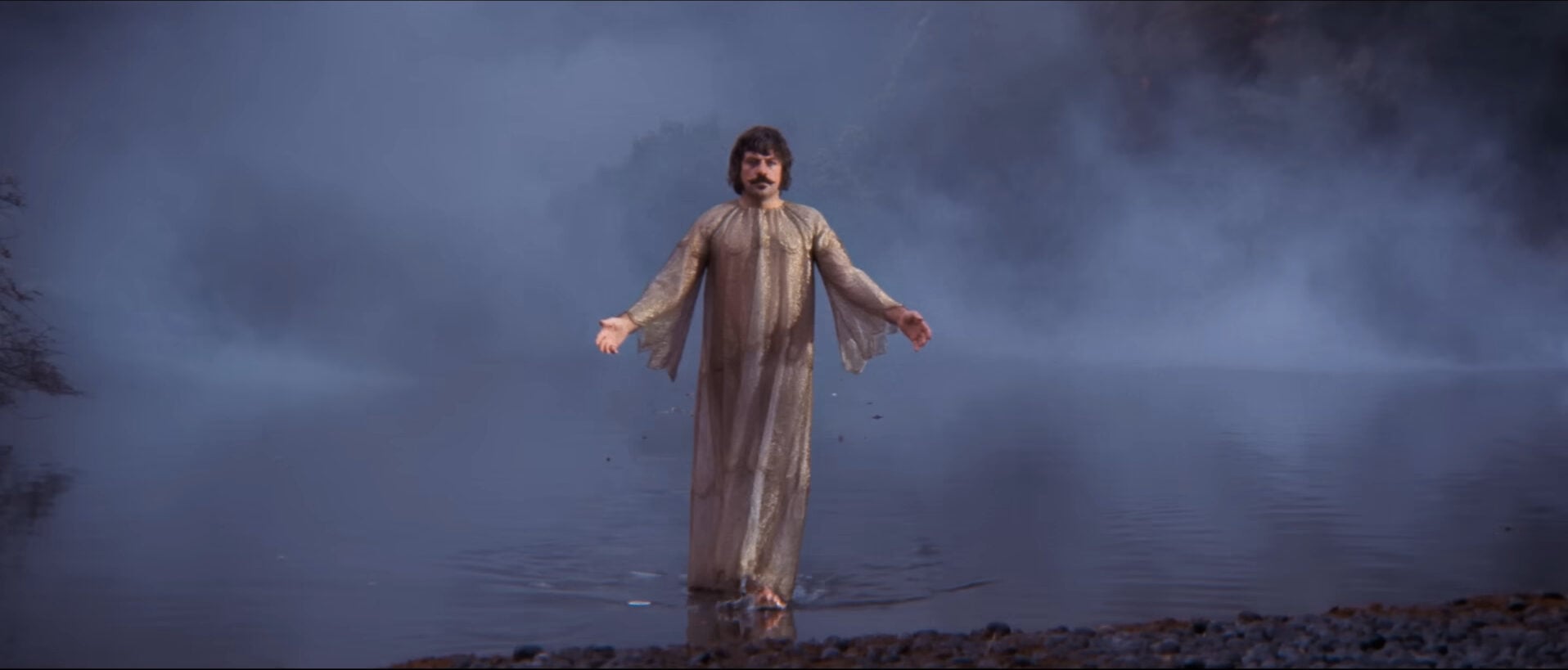
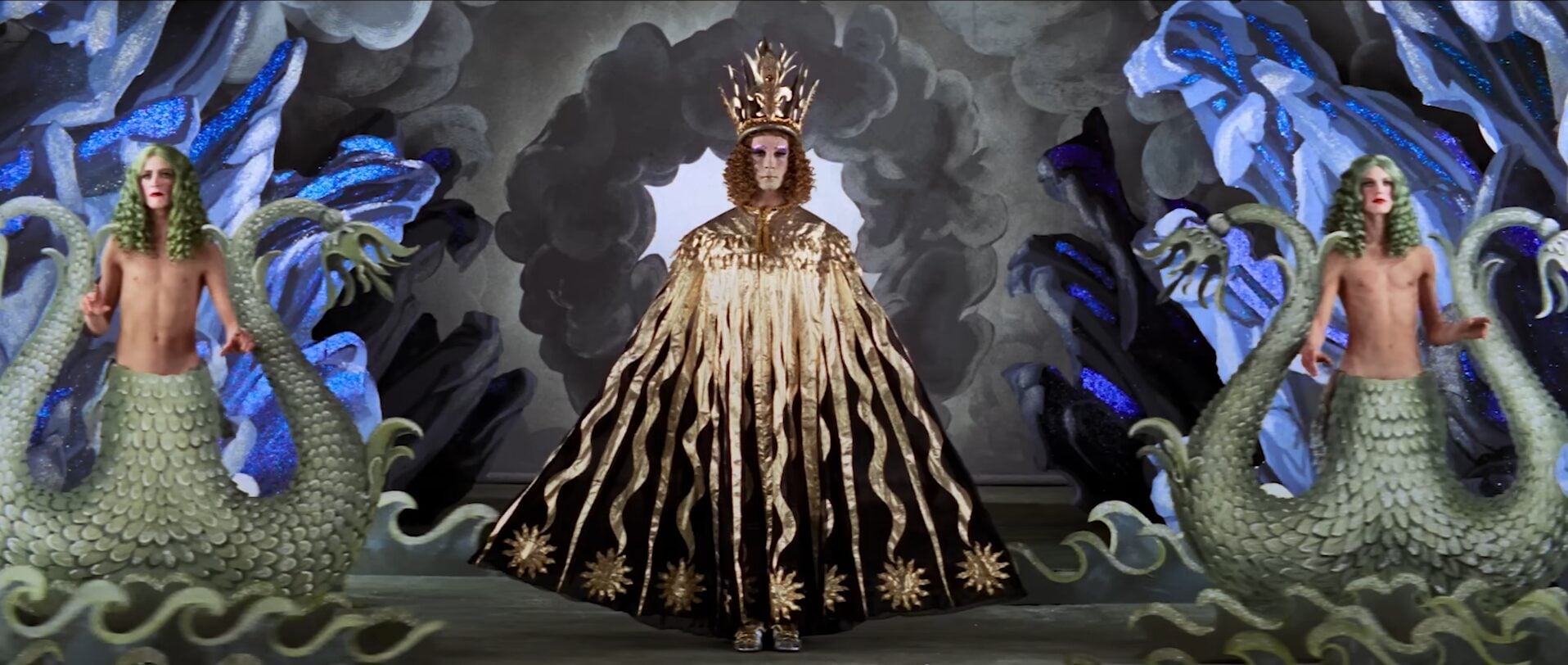
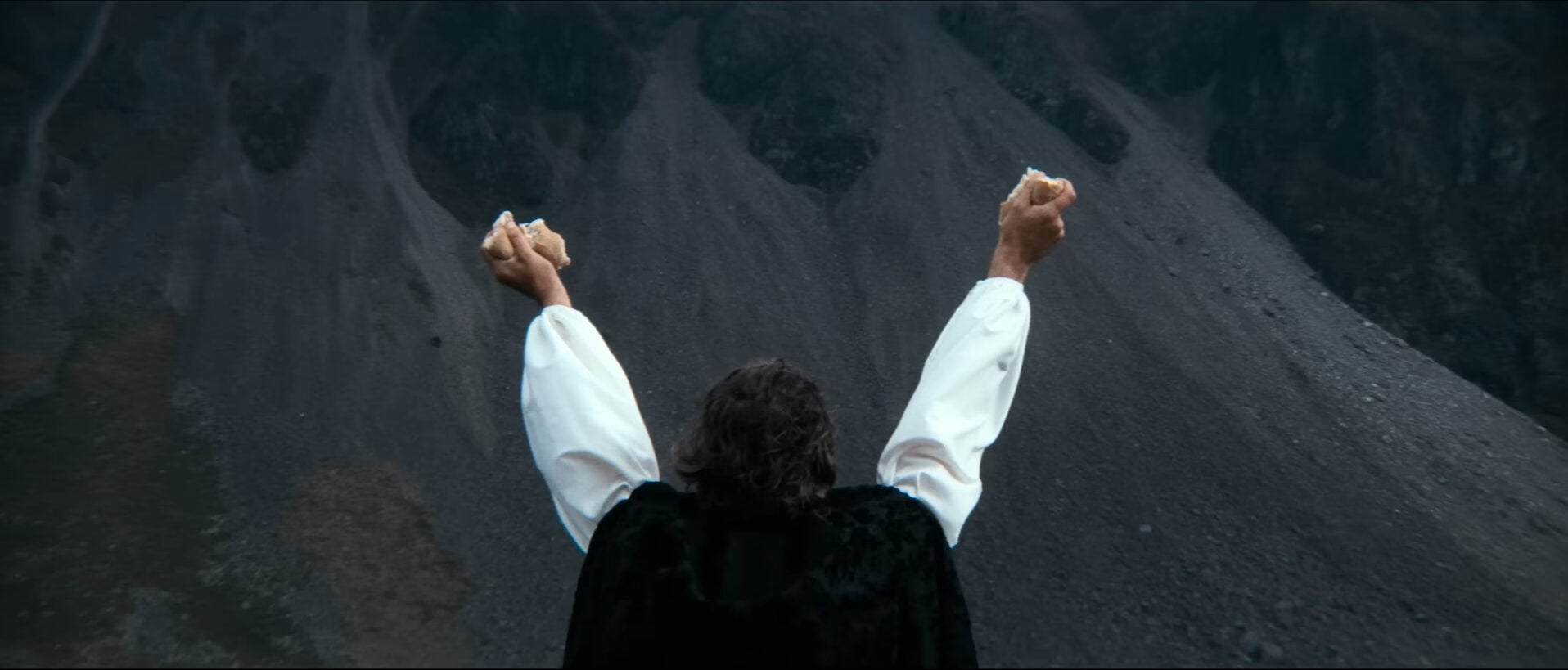
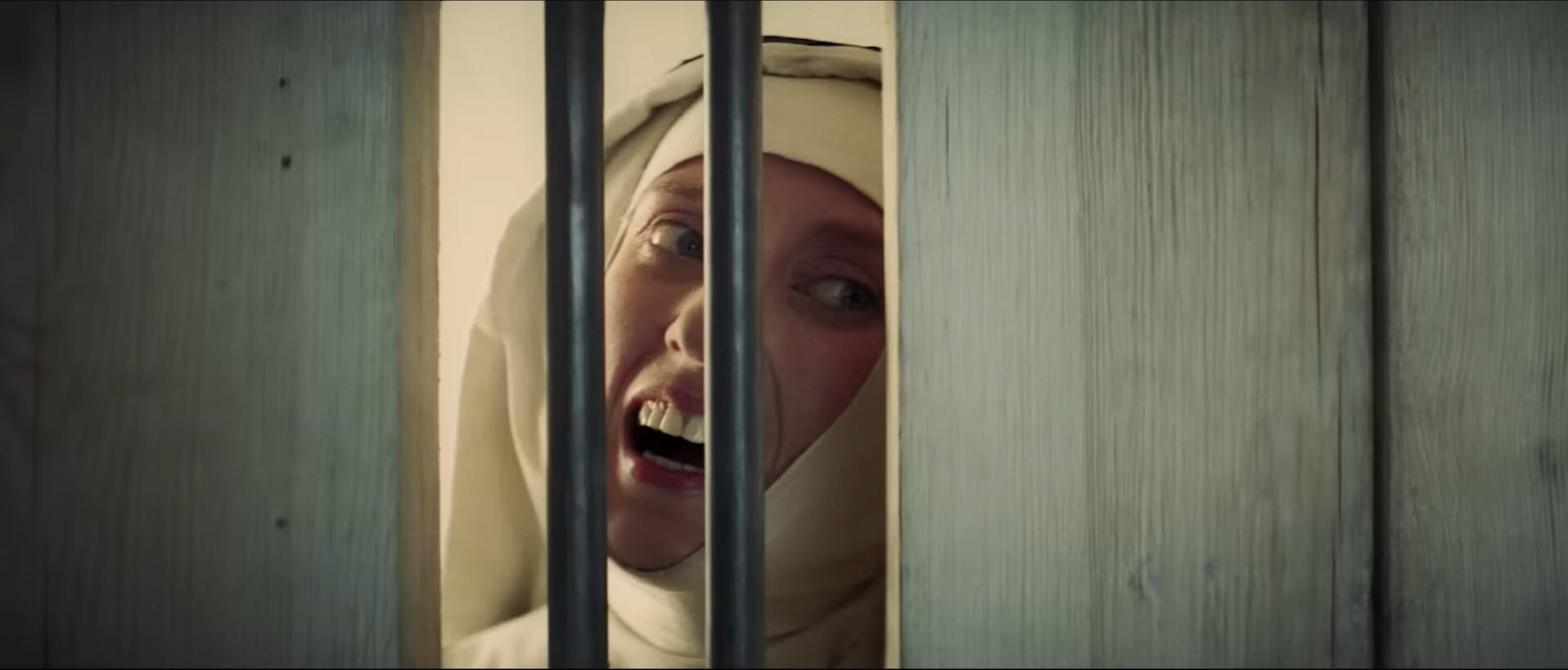
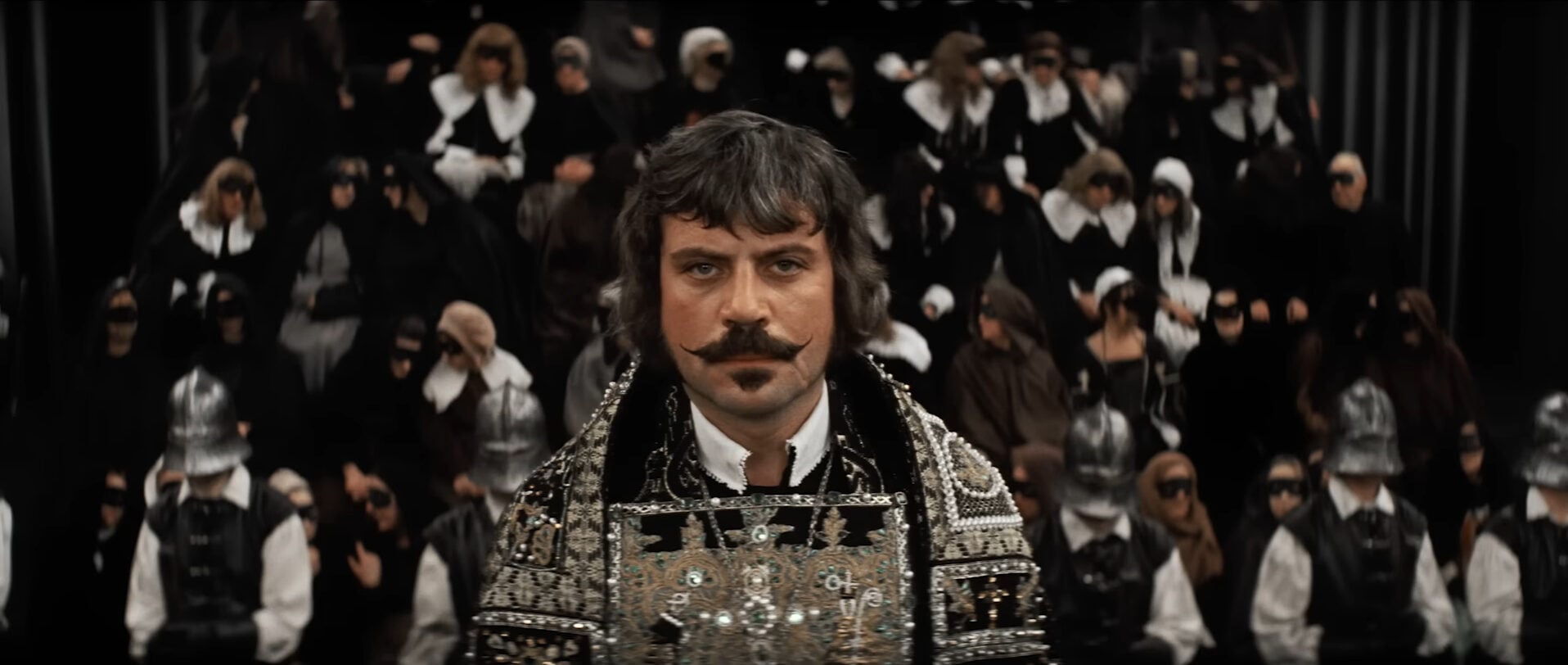
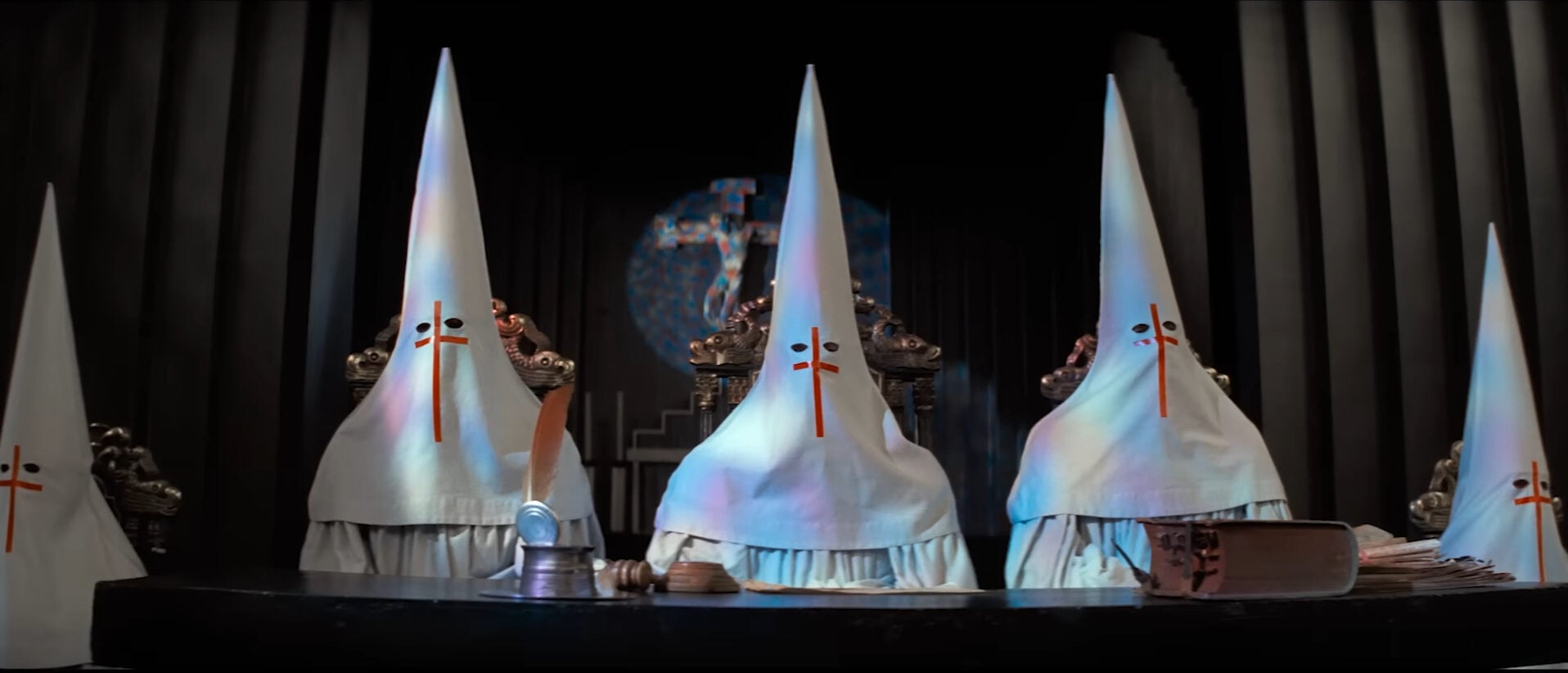
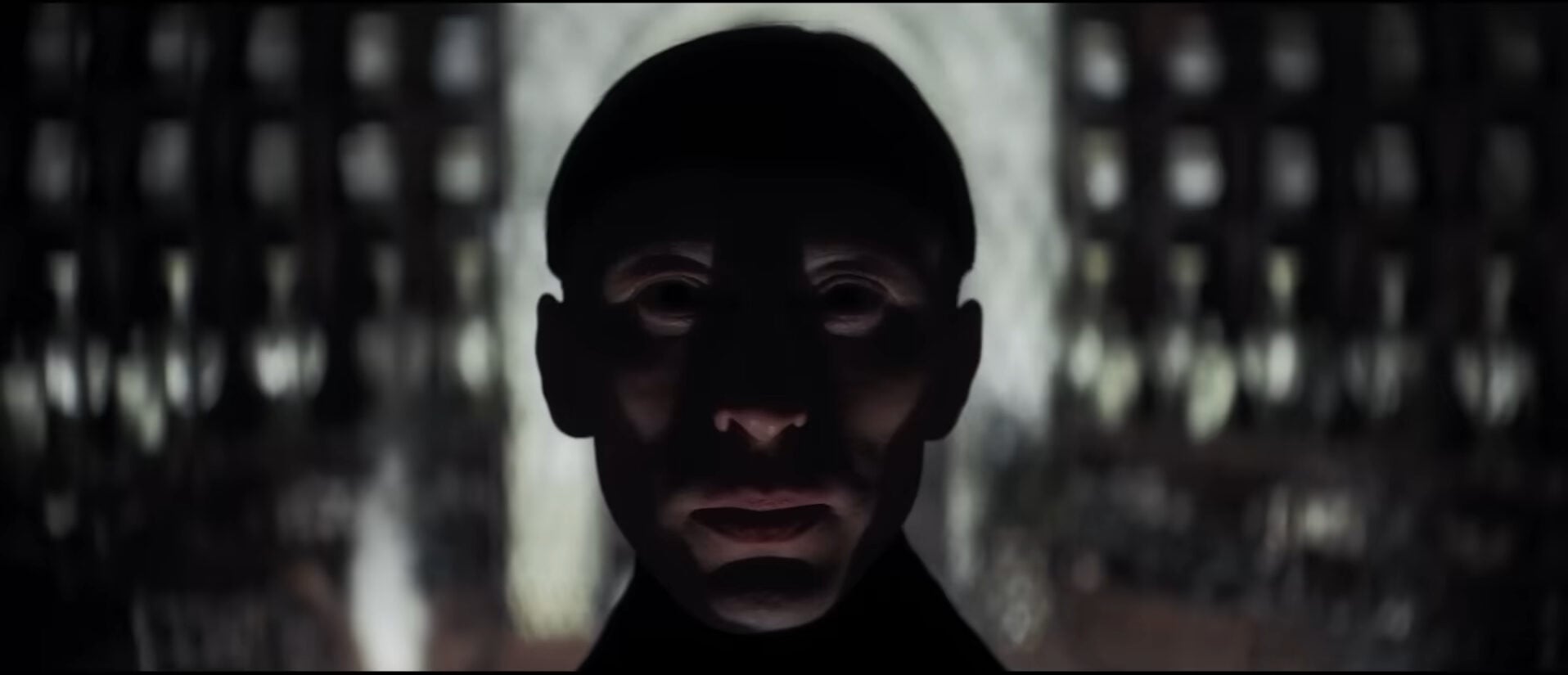
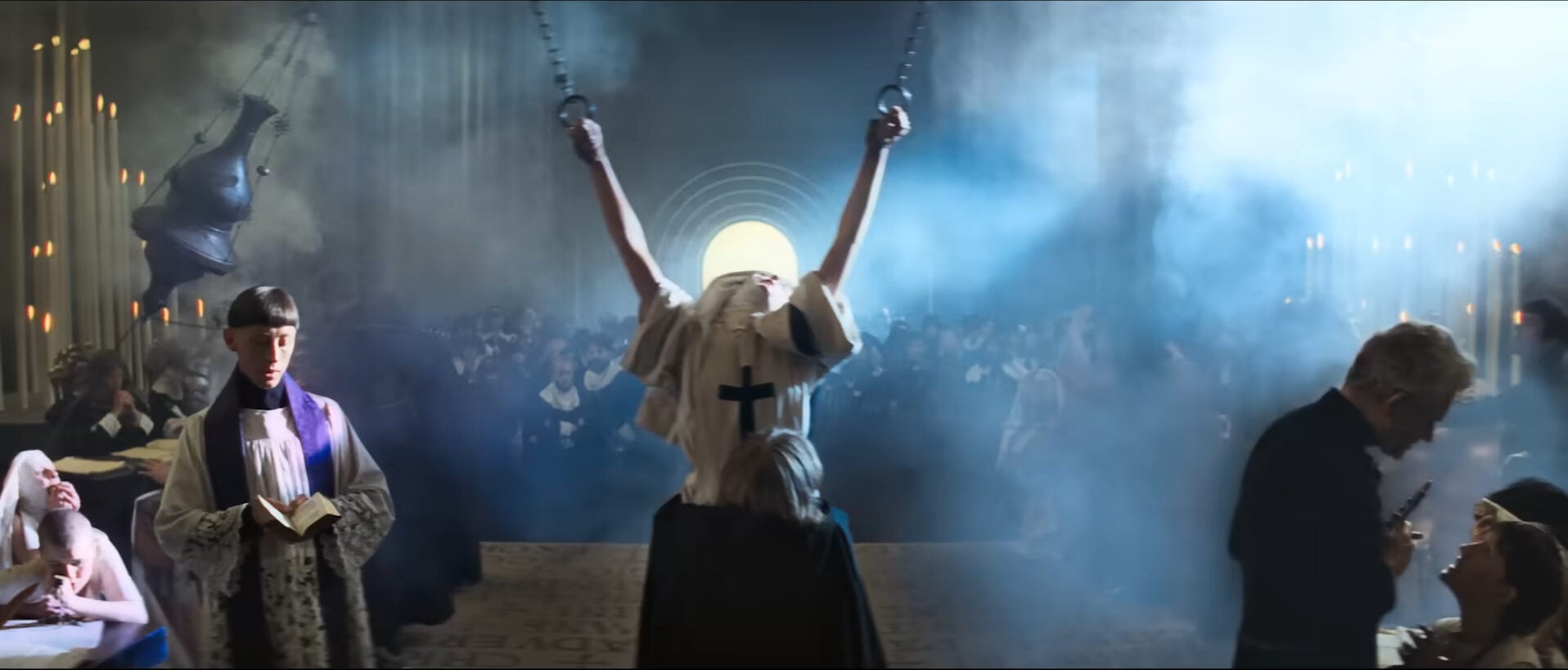
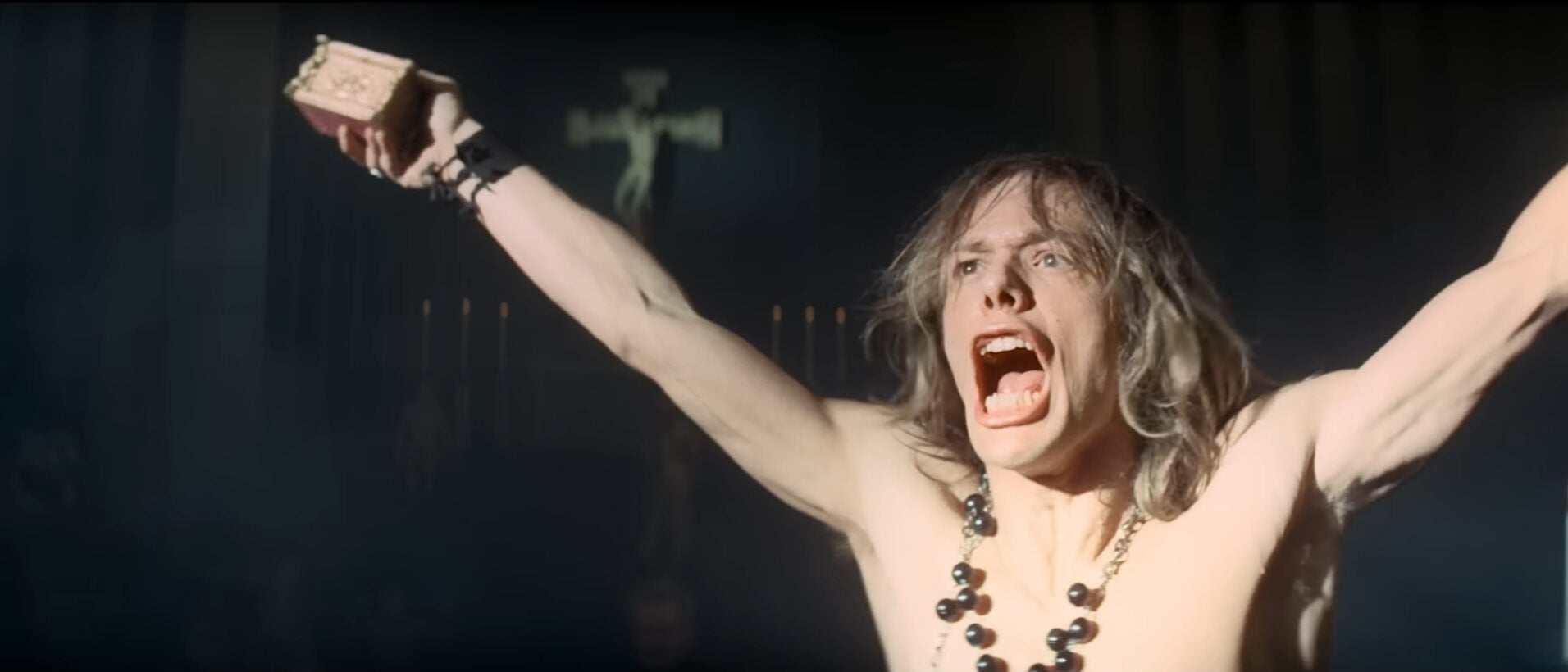
The set hit me with a color palette I hadn’t seen in modern releases.
Derek Jarman’s design work is not decorative; it argues. The film’s saturated blues and bruised reds register on the skin the way a physical prop might. Russell stages action with a choreography of cameras that often rivals David Lynch’s audacity and Kurosawa’s compositional command.
Why was The Devils controversial?
At the time, audiences and religious leaders saw blasphemy where Russell saw satire and moral anatomy. The charges were about power and image: church and crown manipulate language—possession, exorcism—to bend public opinion. Watching it now, the controversy reads as panic about control, not just shock at imagery.
I paid $14 (€13) for a 35mm ticket at the Music Box: a small price for experiencing a film that makes you re-evaluate everything you expect from cinema.
Call me vain and proud, the greatest sinner ever to walk God’s earth, but Satan’s boy I could never be. I haven’t the humility.
The nuns’ hysterics, Grandier’s improprieties, and the court’s performative justice combine to make the film feel fresher than many contemporary efforts trying to shock through scale rather than craft.
From Ken Russell’s script to Oliver Reed’s performance: a side-by-side comparison with continuity supervisor Ann Skinner’s original script.
KEN RUSSELL’S THE DEVILS opens in theaters 10.16 for one week only: https://t.co/RP4YhCOsxW pic.twitter.com/7g1eaxzxcL
— Warner Bros. Clockwork (@clockwork_wb) October 6, 2026
The film resurfaced in memes and edits within days of the rerelease.
One smart edit synced The Devils to Nine Inch Nails’ “Closer,” and X/Twitter did the rest; Robert Eggers even called Russell a kindred spirit. That kind of viral rediscovery matters because it puts a lost work back into circulation for filmmakers and fans who can study it. I’ve watched Eggers’ feed and Russell’s filmography back-to-back and seen the lineage in plain sight.
Sin can be caught as easily as the plague. See how the one and only Michael Gothard transformed Father Barré from script to screen.
KEN RUSSELL’S THE DEVILS is now playing in theaters: https://t.co/RP4YhCOsxW pic.twitter.com/AJbpxc7cgZ
— Warner Bros. Clockwork (@clockwork_wb) October 19, 2026
Theater managers extended the run because audiences returned and brought friends.
The rerelease did stronger box-office than expected and the run was extended by popular demand. That matters: it proves an appetite for restored cinema that remembers film as craft. If studios like Warner Bros. Clockwork continue this, younger viewers could see the kinds of risks mainstream cinema seldom takes today.
The final act of The Devils is merciless and formal—every frame pulled taut until you can’t look away. The finale is a hall of mirrors that reflects not just the characters’ sins but the industry’s cowardices.
ok fuck it the devils 1971 closer nine inch nails edit flash warning oliver reed vanessa redgrave excellence pic.twitter.com/oYqyBd063Z
— Esme (@irltechnogatsby) October 17, 2026
If you love cinema that risks taste and comfort to make a point, The Devils will feel like discovery and homework at once. If you’re skeptical of films with a reputation, go see it and let it argue with you.
Will studios start treating restorations like cultural triage and give a new audience access to films that still have things to teach us?