
I remember the hush the night Dune: Part One started—people craning forward as the ornithopter blades cut the screen. Half the theater was strangers, half were fans, and everyone forgot their phones. In that room I realized a franchise had quietly become an event.
I’ll be blunt: you and I are watching a different kind of blockbuster take shape. I’ve followed the deals, the leaks, and the long shadow of David Lynch, and I want to show you why Dune matters beyond visuals and box office. This is a director’s gamble that paid off, and I’ll point out where it still risks losing its soul.
On release nights there were lines for IMAX that felt like a cultural appointment.
Denis Villeneuve took a 1965 novel that has broken more would-be films than it has produced, and he treated it like a film festival headliner that had to travel to your local cineplex. He split Frank Herbert’s first book into two films, then leaned into scale: deserts that read as continents, ornithopters that breathe, and sound design that makes you sit up. The payoff was tangible—people chose theaters. A $411 million box office haul (about €378M) and a top-ten finish for 2021 backed that choice, even after Warner Bros. forced a simultaneous HBO Max window and sent industry pressure through the roof.
Villeneuve’s refusal to quietly accept the dual-release plan—even writing a public column—gave the project an uncommon spine. He treated the release as an editorial decision, not a marketing one, and audiences rewarded that clarity. This film behaved like a slow-burn fuse, pulling attention back toward cinema in a year when streaming tried to elbow in its place.
The production often presented Arrakis as a lived-in world, not a green-screen postcard.
Shooting on location gave scenes a texture that trailers can’t sell; wide shots felt geographic, not virtual. When the camera found scale, you felt the book’s political gravity—the Houses, the spice economy, the ecology—without getting lectured to. That craft made many critics forgive the film’s episodic feel and its decision to split the text across multiple movies.

The casting room exposed a gap between spectacle and representation.
At screenings, viewers noticed who the camera lingered on and who remained background. Villeneuve’s films put the Fremen front and center narratively, but the primary cast skews Western while Middle Eastern and North African actors fill smaller roles. That decision has invited criticism and conversation—rightly—about who gets to stand for an indigenous population on-screen.
The optics matter because big films shape cultural memory. When a production this large assigns the lead parts to familiar Western stars, it does two things at once: it secures box office draw and it narrows who is allowed to embody certain identities. The debate isn’t a distraction; it’s part of how modern franchises keep or lose trust.
Streaming numbers and theatrical gross rewrote expectations about fan behavior.
Studios were watching the data: streaming charts, theatrical returns, and social metrics. Dune: Part One landed as 2021’s ninth-most streamed film and still earned a global box office rank—proof that a hybrid audience can be both couch-based and theater-going. Tools like box-office trackers and streaming analytics (Nielsen, Whip Media) started showing patterns studios hadn’t banked on three years earlier.
Is Dune a blockbuster?
Yes—but it’s a new type. It’s a prestige blockbuster that leans on spectacle and auteur authority more than franchise churn. It draws crowds not just for spectacle but for the confidence of a director-plus-studio alignment. It’s not Cameron’s box-office machine, but it carries similar cultural gravity—less mass-market amusement park, more cathedral of spectacle.
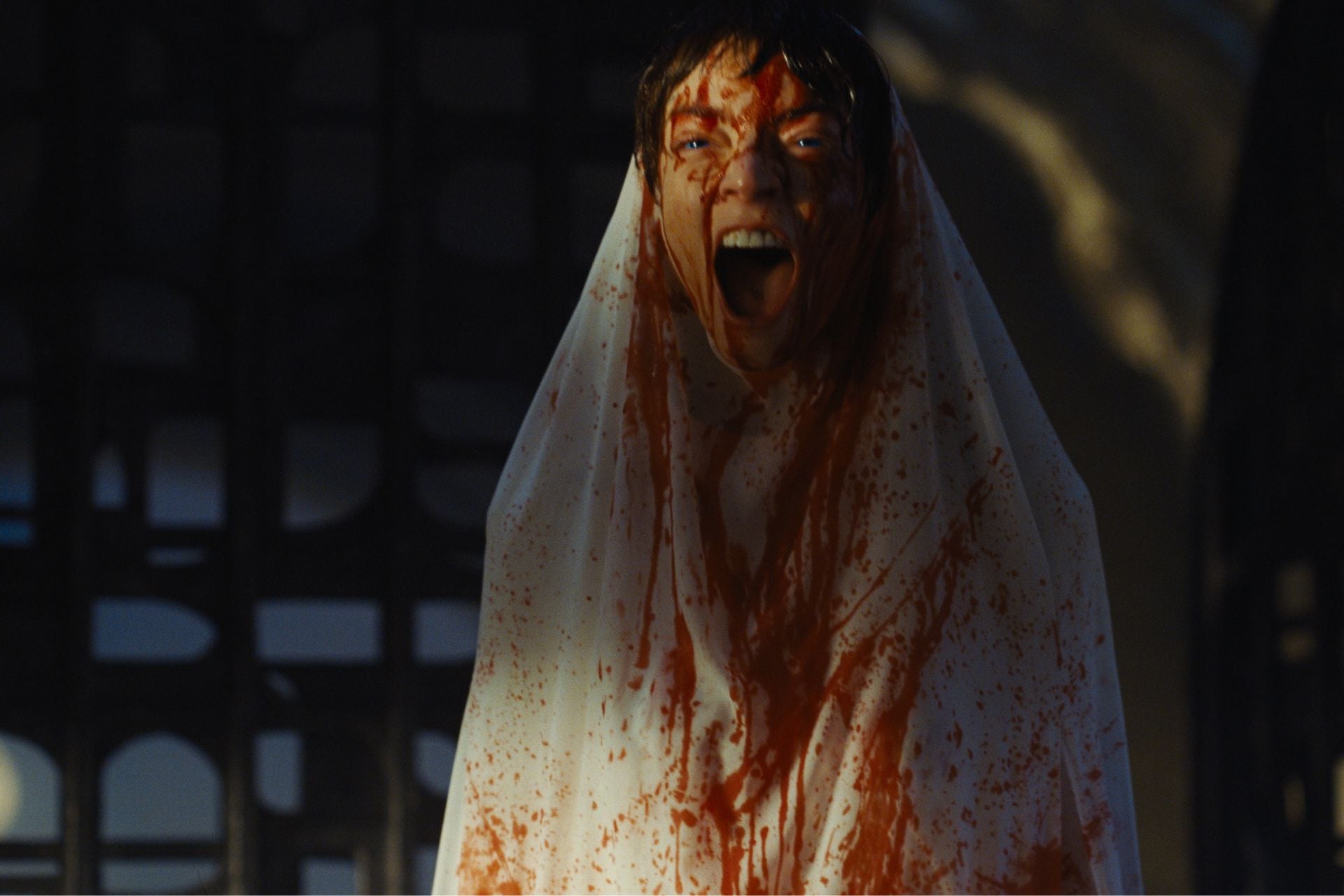
On set and in press rooms, Villeneuve’s name carries unusual authority.
Directors have tried to tame Herbert’s text for decades—Paramount, Lynch, and others tried and failed—but Villeneuve secured rights through Legendary and kept a singular creative line. That kind of auteur-shaping matters in marketing and critical framing. He even risked public friction with Warner Bros. over HBO Max; the move signaled creative insistence to a culture that pays attention.
Will Dune: Part Three be successful?
Success will be measured by more than dollars. If Part Three delivers narrative closure, maintains the craft standard, and responds to representational critiques, it can consolidate the trilogy’s cultural power. The film opens December 18 and the industry will read its performance across theatrical take, IMAX bookings, and social sentiment—DAZN and other analytics platforms will crunch the numbers while trade outlets like Variety and The Hollywood Reporter parse the PR.
We are at an inflection point for big films: franchises that can be thoughtful still sell tickets, and audiences reward conviction. As someone who tracks how cinema and commerce intersect, I’ll be watching who gets center frame, which platforms amplify the conversation, and whether the film keeps its nerve. Will the trilogy close with applause or polite indifference?