
I fired the Gravitational Beam Emitter on a quiet page and felt the world answer back. The recoil knocked Killy into a corridor and, for the first time, I realized I had been chasing a weapon instead of the thing it moved through. You will probably come for the gun and stay for what it reveals about space, time, and the way Nihei composes architecture as menace.
I’m not an evangelist for every acclaimed manga, but I am the kind of reader who remembers the moment a book changes the axis of what you expect from a medium. After seeing Polygon Pictures’ Netflix film, I thought I knew Blame!: cool gun, lone wanderer, bleak sci‑fi playground. Reading Tsutomu Nihei’s manga made me understand why critics used words like “masterpiece” in Kotaku and other outlets, and why the gun is less the point than the infinite city that contains it.
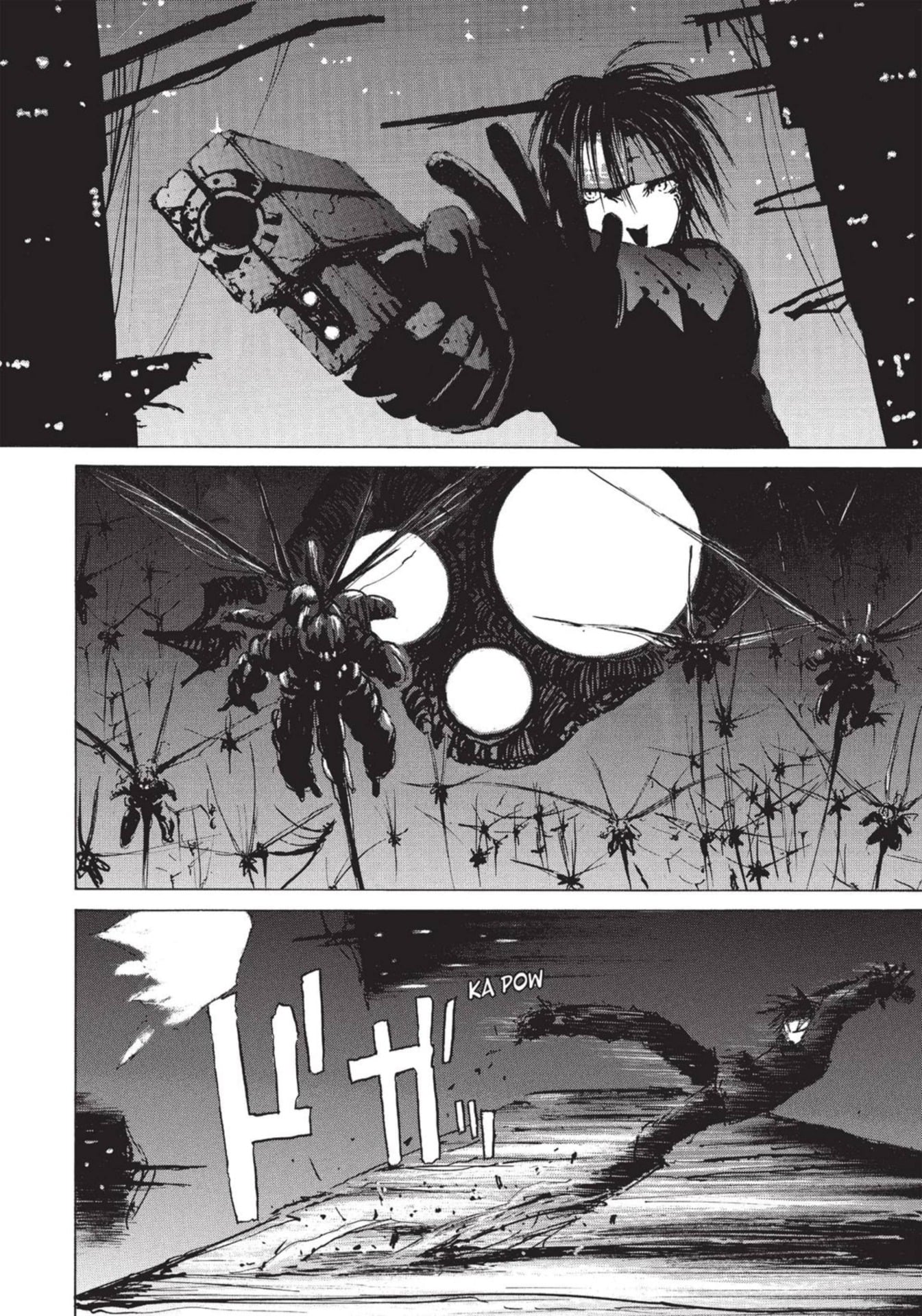
At a brick-and-mortar shop someone will ask if the manga’s gun is the main attraction
I told them the Gravitational Beam Emitter has earned legendary status for a reason: it resolves fights with cinematic brutality and mechanical mystery. The GBE’s name rings in forums, Google searches, and YouTube breakdowns the way an iconic prop should. Netflix and Polygon Pictures amplified that reputation, but reading the originals at Kodansha’s scale shows Nihei designed the weapon to be a narrative shortcut — a way to puncture, not explain.
What is Blame! about?
The short answer is: a man named Killy wanders a city whose size and rules have been lost to time, seeking a genetic key that might restore human access to a broken network. That terse summary will send you to panels, but it won’t prepare you for how Nihei arranges silence, scale, and sparse dialogue to force you into the same state of disorientation Killy lives in. You’ll find clues in ruins, fragments of lore in machines, and whole chapters that read like archaeological field notes rendered in ink.
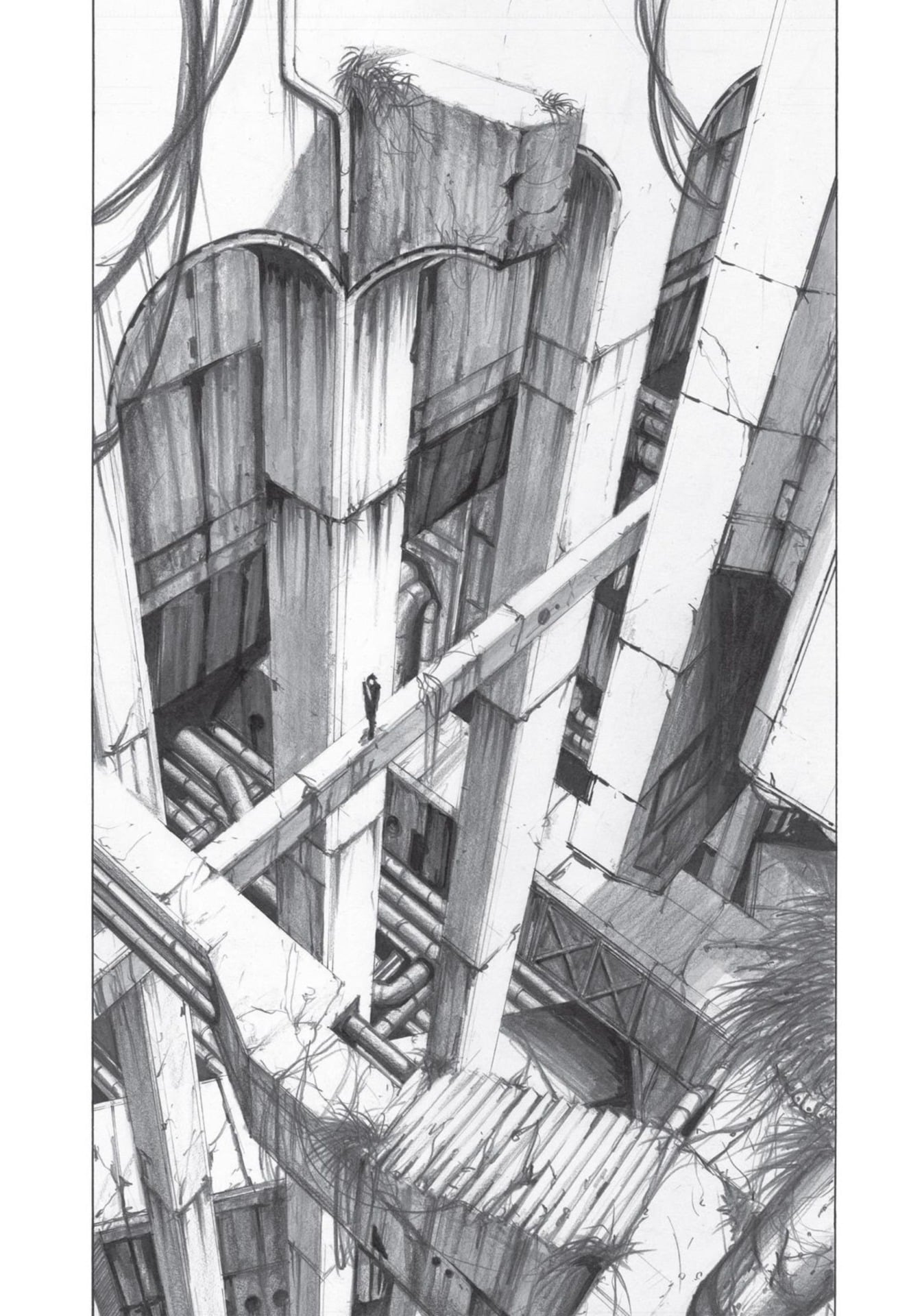
In quiet studios you can see how architects and game designers argue with scale
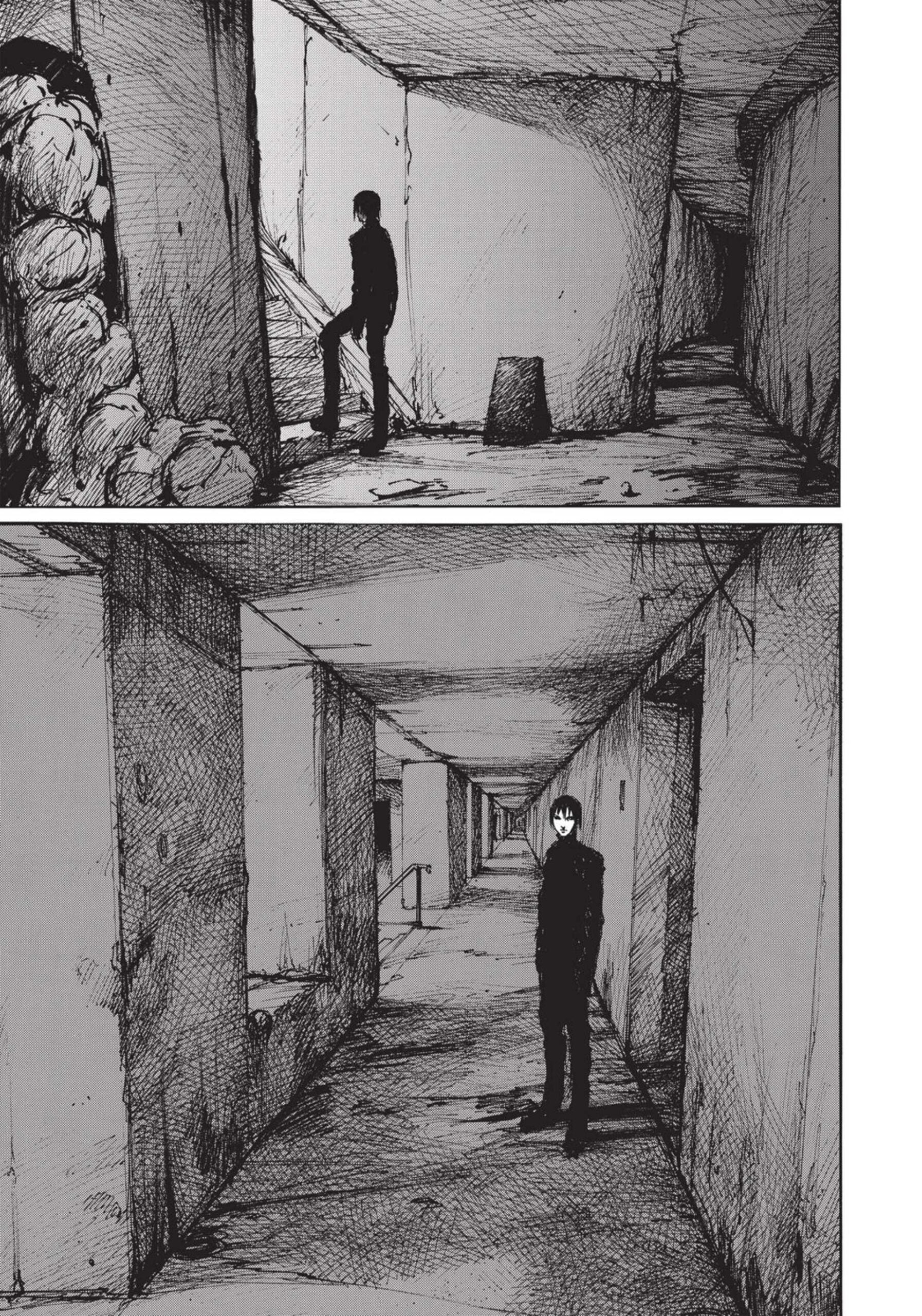
When you stare at a model, size changes how your brain prioritizes detail. Nihei uses that effect to terrifying ends. The city in Blame! could be as large as a solar system; its levels stack and repeat so a hall can look like the last one until something tears through the floor. Imagine the Backrooms folded in on itself like Demon Slayer’s Infinity Castle — the comparison is not idle: both trade obvious plot for spatial anxiety.
Nihei’s panels treat architecture as the protagonist. Where mainstream manga feed you character beats, Blame! feeds you thresholds: stairwells that feel older than civilizations, elevators that are ecosystems of silence. FromSoftware’s level design echoes the same itch for players who like to explore dark maps, and that’s why game devs and architecture students both circle back to Nihei’s work.
Why is the Gravitational Beam Emitter famous?
Because it simplifies stakes visually and narratively: the GBE solves immediate threats and creates bigger questions. It’s a prop that changes genres on the page — action tool one panel, object of ritualized awe in the next. That polarity fuels fan essays, breakdown videos, and search queries on forums and Google, which keeps the weapon mythic in public memory.
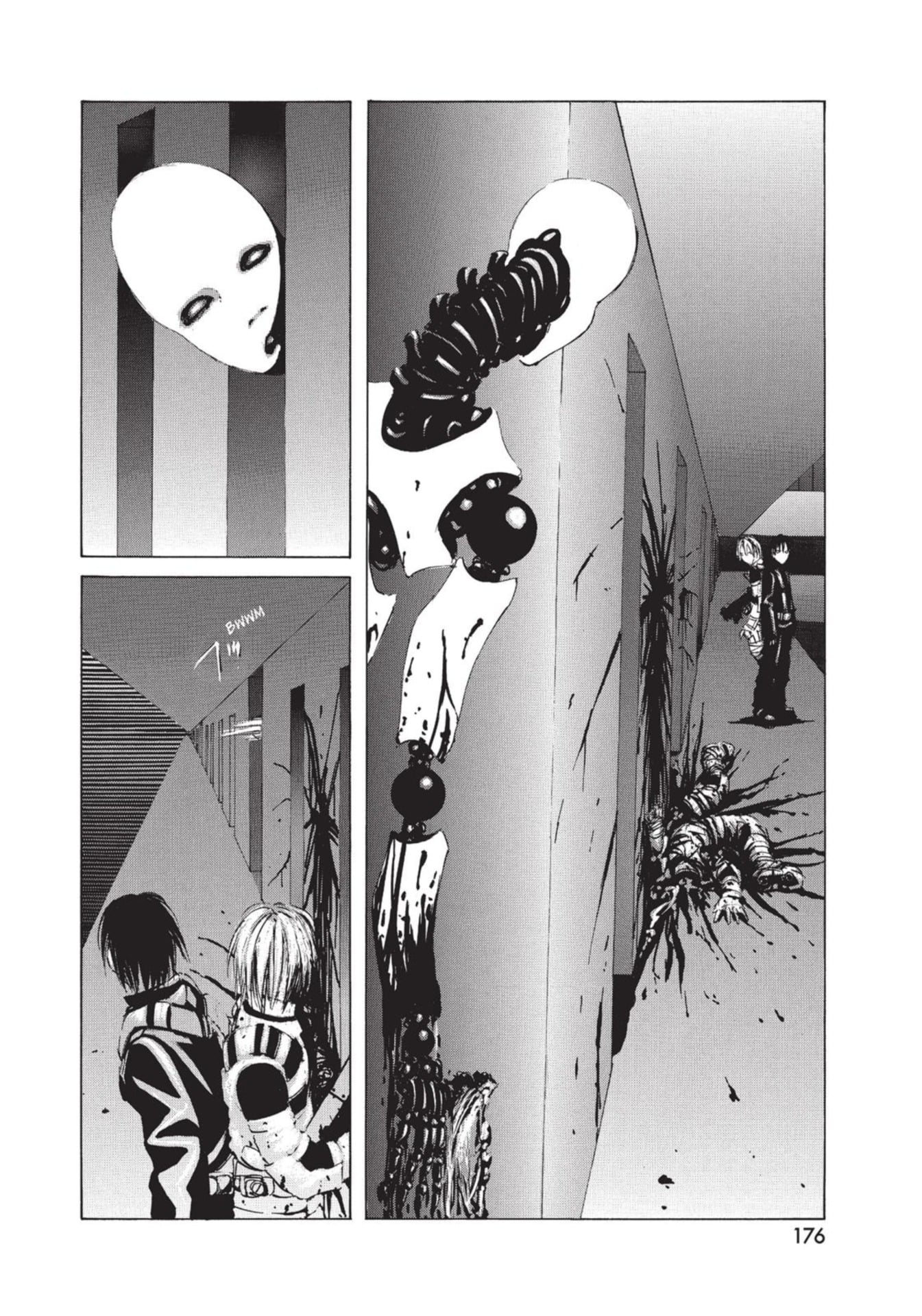
On long elevator rides you can feel how time stretches in a way narrative rarely captures
I once timed an elevator that felt like five minutes but read in the manga as hundreds of hours. Time dilation in Blame! isn’t a gimmick; it reframes identity. Characters are killed, resurrected, and uploaded into different bodies with wiped memories. That makes the question of who someone is into a practical, dangerous problem instead of a philosophical one.
Nihei pairs this with silent expository art to force you into a different tempo. You’ll spend hundreds of panels moving through rooms where nothing overtly happens, and then violence snaps the rhythm. The quiet sharpens the shock. If you listen to Mick Gordon or watch how game soundtracks shape tension, you’ll recognize the same technique: long build, brutal payoff.
Why is Tsutomu Nihei’s art so praised?
Nihei composes panels like an urban planner who loves ruin. He uses negative space, precise line work, and an economy of dialogue to orient your attention where he wants it: on scale, atmosphere, and the mechanical mysteries that the characters never fully explain. That restraint is why students of comics, architecture, and game design read him alongside Kodansha releases and reference lists from studios like FromSoftware.
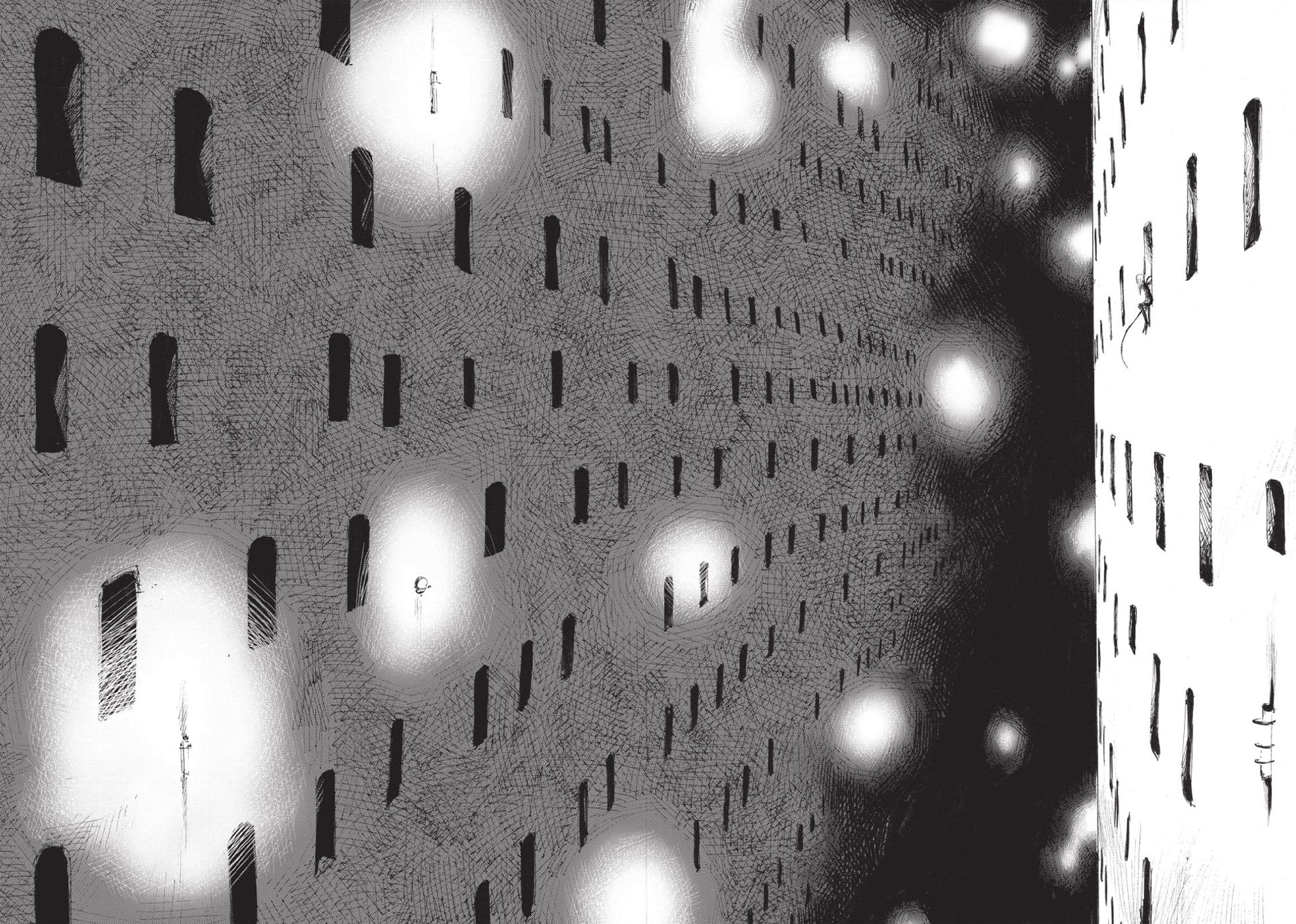
When I finished the series I realized the gun was bait. Nihei’s gift is the architecture: spaces that refuse to comfort or threaten directly, that simply continue as if we are an afterthought, and that haunt you long after the last page. The megastructure behaves like architecture at its most anglerfish, luring attention with corridors and swallowing certainty with silence.
If you want a manga that trains you to pay attention to negative space and silence more than punchlines and plot twists, Blame! will change how you read comics and how you search for visual storytelling — and it will make you ask whether the thing you chased was ever the thing that mattered?