
I was standing in line for coffee when the new Avengers: Doomsday trailer looped on someone’s phone. You leaned over and asked me, half-smiling, if Marvel was hiding something obvious. I told you I thought they were — and that the silence around the real threat was deliberate.
I’ve been watching Marvel marketing close enough to read the seams. You notice when a studio speaks through cast shots instead of stakes; you can feel the trade-off. I’m going to take you through what the trailers are leaving out and why that choice matters for the movie and the Multiverse Saga.
In a crowded theater lobby, people point at heroes, not disasters — and that tells you something
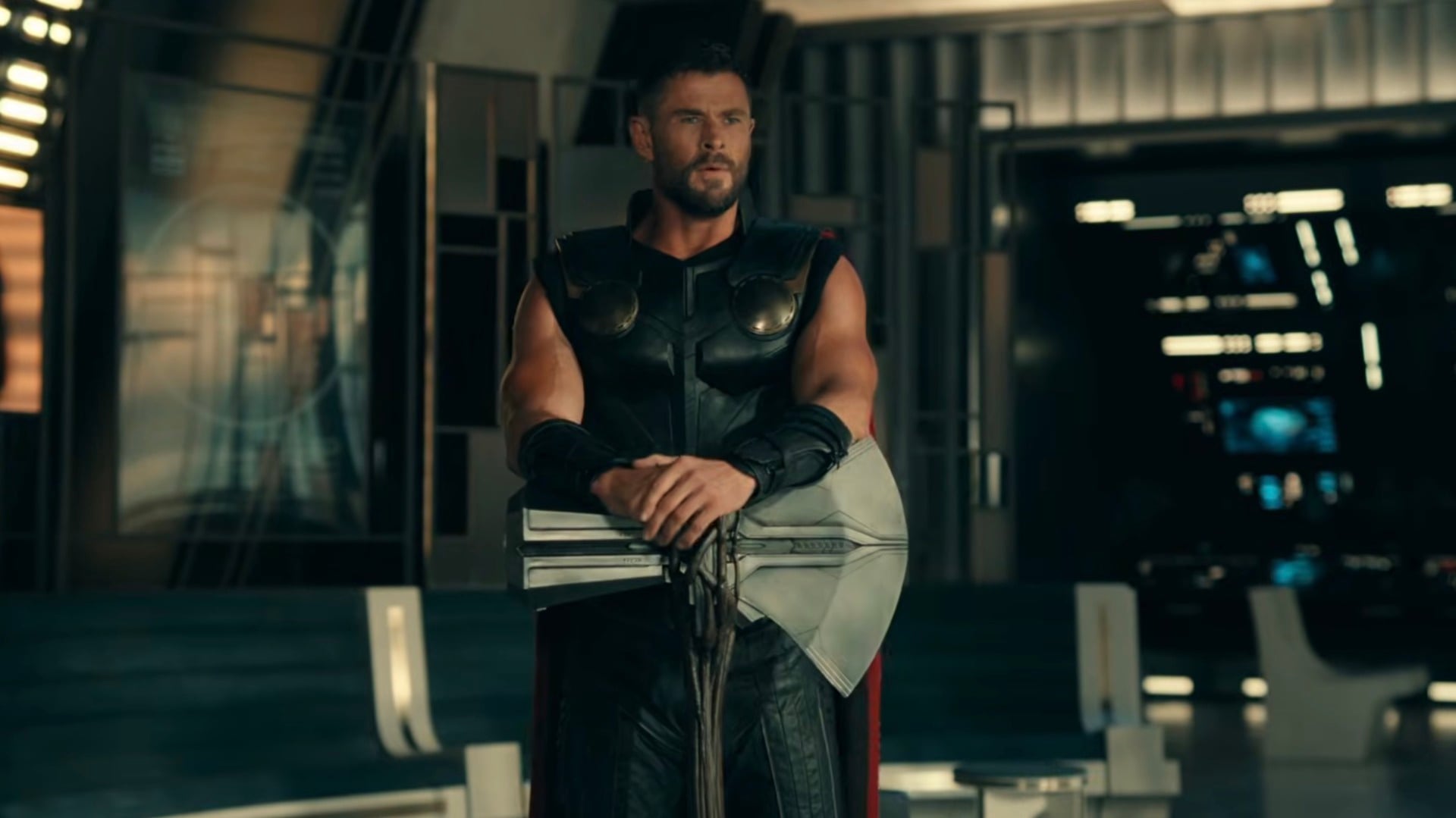
The latest trailer is a gallery of faces: two Avengers teams, the Fantastic Four, X‑Men, and Doctor Doom collecting allies. That’s a selling strategy. When your ad shows Cap batting Cyclops’ optic blast instead of an entire world collapsing, you’re selling exhilaration over existential risk.
Marketing has to do more than hype a cast; it has to explain why the catastrophe matters. Instead, Marvel treats Incursions — literal collisions of Earths — like a plot checkbox. The trailer prefers the intimacy of one-on-one fights. It’s like a stage magician hiding a trick up his sleeve: you’re dazzled precisely so you won’t ask harder questions.
What is the plot of Avengers: Doomsday?
On the surface: two Avengers teams, the Fantastic Four, and the X‑Men collide with Doctor Doom and an army of alternate-universe villains. Beneath the surface: Incursions—multiple Earths meeting—are the engine, and Doom’s collecting power and leverage across timelines. Kevin Feige and Marvel Studios are selling huge ensembles because ensembles track well on YouTube clips, Google Trends spikes, and Rotten Tomatoes headlines; but the trailer stops short of explaining Doom’s endgame beyond “more power.”
On Twitter/X, the trailer thread fractures into fan theories — and that reveals a marketing fear
Fans are parsing single frames on X and Reddit like forensic analysts. You see ports of old comics and name-checks for Secret Wars, but the marketing resists committing to the multiverse as the narrative spine. The film’s promotion behaves as if the Multiverse Saga is something to be trotted out only when necessary.
That reluctance is strategic: multiverse fatigue is real after a string of crossovers. The studio wants to keep audience focus on character matchups that drive social clips and ticket sales — $20 a ticket (≈€19) for the theatrical event — rather than on explaining cosmic mechanics. It creates a sense that the film is more interested in “who fights who” than “what’s being lost,” and that choice lowers the perceived stakes.
What are Incursions in the MCU?
Incursions are when two Earths occupy the same space, threatening mutual destruction. In comics, that collapses realities and pushes survivors toward Secret Wars-style bargains. In the MCU, trailers hint at this by showing other Earths in the night sky — a visual shorthand that should signal apocalypse. Instead, the imagery registers as background noise unless Marvel uses it to stage real emotional consequences for characters we care about.
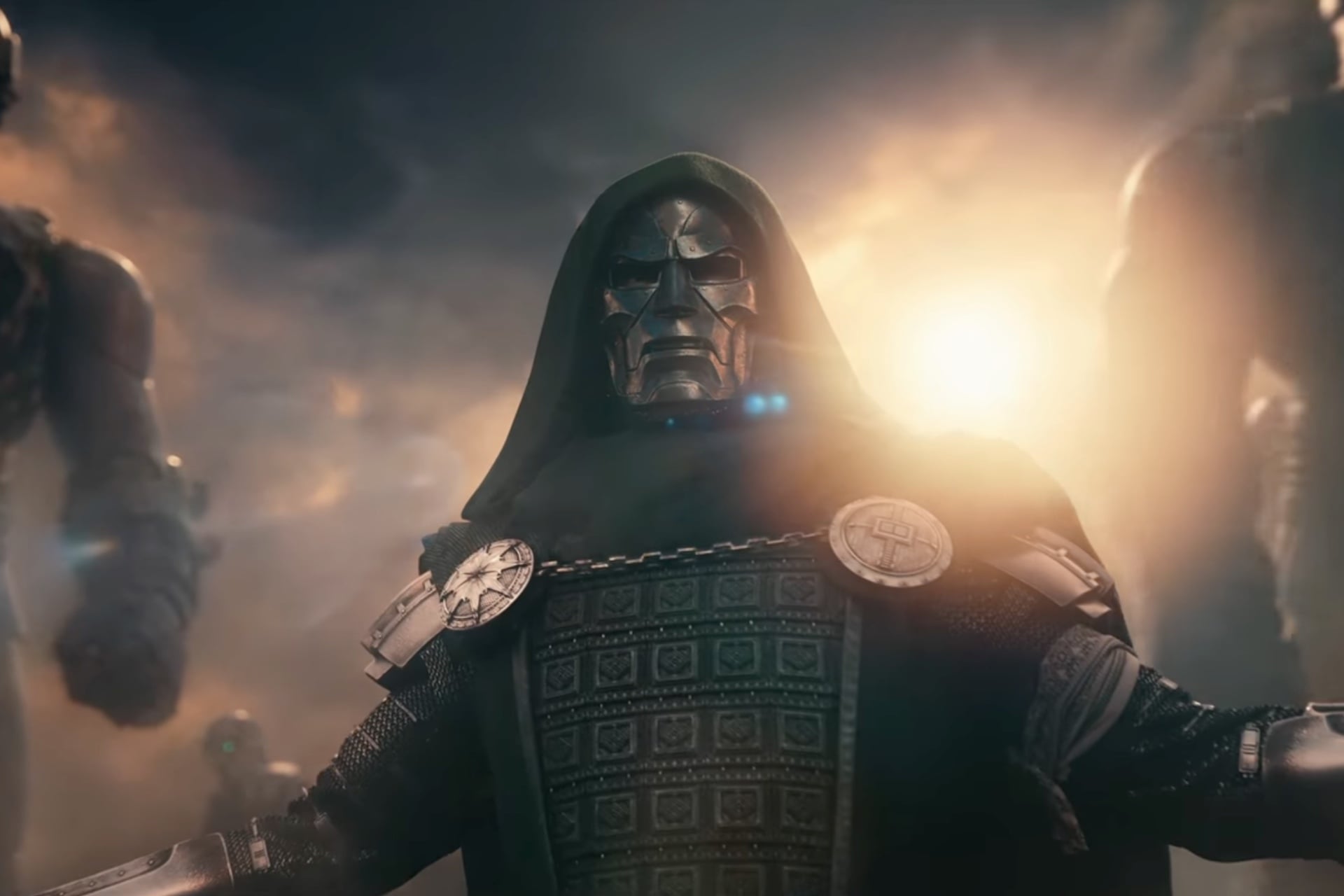
At a midnight screening two summers ago, the crowd cheered every cameo — and that applause is part of the problem
Marvel has trained audiences to celebrate surprises. You and I have both felt that jolt when a familiar face returns. But applause can camouflage emptier narrative choices: if the film exists mainly to stitch universes together, the emotional throughline risks being thin. The studio appears to be prioritizing spectacle and cross-promotional traction with Disney platforms over tight, consequence-driven storytelling.
There is another path, though. If Marvel treats Incursions as real losses — if Kevin Feige and writers commit to showing grief, scarcity, and the moral costs of saving worlds — the movie can become more than a parade of cameos. If not, Doomsday will feel like a marketing exercise that borrows stakes from comics without paying the emotional price.
I’ll be watching how critics on Rotten Tomatoes land, how box-office analytics on The Numbers track weekend revenue, and whether YouTube clip virality outpaces sustained debate. io9 and Gizmodo have already started that conversation; so have Comic-Con panels and industry figures who’ve weighed in publicly. You should ask: is this film a meaningful ending chapter or a sandwich of set pieces? Which will you prefer?