
On launch-day queues and midnight patches: NVIDIA GeForce NOW Finally Launches in India This Week
I remember the moment a friend tried to stream a triple-A from a phone on a shaky home Wi‑Fi—and it worked. You felt the relief before the graphics did: latency dropped, textures smoothed, and a crowded laptop felt suddenly irrelevant. If you game in India, that small victory is now official this week.
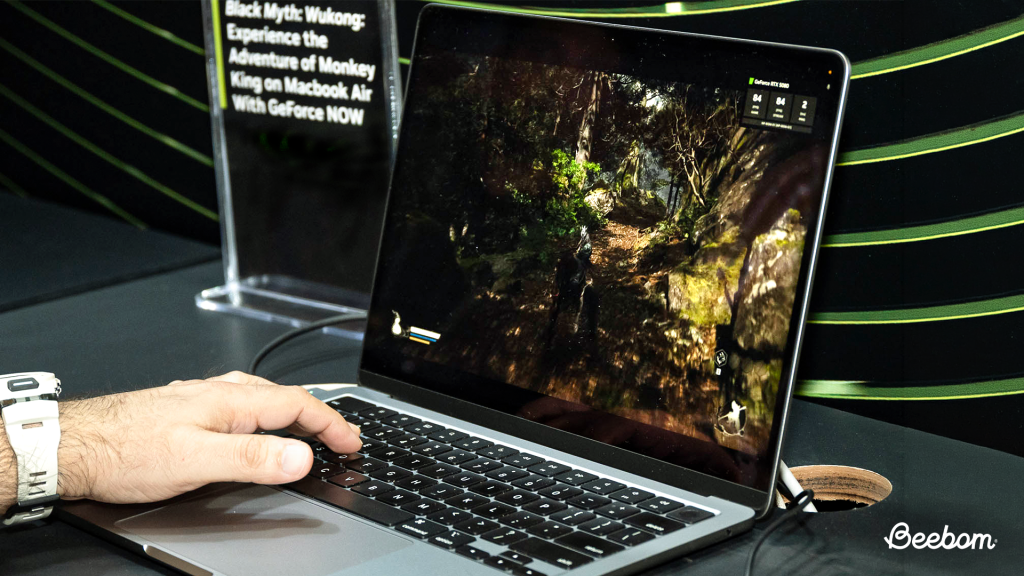
In internet cafés and living rooms across cities: What this launch actually changes
I’m not here to sell hype. You get a cloud gaming service arriving at scale—public beta starts April 16—and what matters is how you can use it. GeForce NOW brings thousands of PC games to screens that never had the horsepower before: phones, thin laptops, smart TVs, handhelds and even VR headsets.
- PCs & Laptops: Windows (10+), macOS (10.11+), Linux, Windows ARM and Chromebooks
- Mobile: Android phones/tablets and iPhone/iPad
- TVs: NVIDIA SHIELD, select Samsung and LG Smart TVs, Sony TV, Amazon Fire TV, Pico, and Android TV/Chromecast
- Browsers: Chrome, Edge, and Safari
- Handhelds: Steam Deck, ASUS ROG Ally, Lenovo Legion Go, MSI Claw, Razer Edge, and Logitech G Cloud
- VR: Meta Quest and Apple Vision Pro (2D mode)
That list reads like a who’s who of devices. You can keep a cheap laptop and still access titles that usually need a powerful desktop. It changes the math for many players: buy fewer hardware upgrades, get more playtime.
On latency tests and unexpected frame spikes: When is GeForce NOW launching in India?
When will GeForce NOW be available to Indian users?
Public beta begins April 16. I’ve tested pre-release builds and the experience varies by ISP and proximity to NVIDIA’s regional points of presence, but the baseline is clear: servers are live, clients are shipping, and the service is readable from most major metros on day one.
At the café table while friends argue about specs: What devices can run GeForce NOW?
What devices support GeForce NOW in India?
You can stream from almost anything with a screen and a network connection. That includes phones, tablets, thin laptops, big-screen smart TVs, Steam Deck-style handhelds, and even VR headsets like Meta Quest and Apple Vision Pro in 2D mode. Browsers are supported too—Chrome, Edge and Safari—so installation is often unnecessary.
While server racks hum in anonymous data centres: How powerful is the Ultimate tier?
How does the Ultimate membership change the streaming quality?
The Ultimate plan plugs you into NVIDIA Blackwell RTX hardware and RTX 5080 SuperPODS on the backend. That means full ray tracing for cinematic visuals and DLSS 4 Multi‑Frame Generation to recover high frame rates in demanding scenes. If you chase high refresh play, Ultimate streams at up to 360Hz at 1080p and 240Hz at 1440p.
This is not a theoretical boost: it felt like watching a theatre set move from monochrome to color—rich, immediate, and slightly disorienting in the best way. The servers themselves handle tasks like texture streaming and AI upscaling, so your local device becomes a thin client rather than the main event.
On store libraries and ownership debates: What the games list means for you
GeForce NOW supports over 4,500 titles through your existing game libraries on Steam, Epic Games Store, Ubisoft Connect and others. You don’t repurchase most games on NVIDIA’s store; you stream what you already own where supported. That model keeps spending predictable but raises the old question: is streaming ownership or rental?
If you’re practical about collections, streaming is a way to keep playing without a new GPU. If you treasure pristine installs and modding, this is less attractive. Either way, the availability of so many titles changes how new players enter the ecosystem.
In my inbox and on forums: What this launch means for India’s gaming scene
I’ve been hearing from developers, PC cafés and solo players: cheaper entry points, new audiences, and pressure on local ISPs to improve peak-hour throughput. Brands and platforms tied to this launch include NVIDIA, Steam, Epic Games, Samsung, LG, Valve (Steam Deck), Meta and Apple—each has a stake in how cloud-native gaming grows here.
The short story is simple: you will see more people playing PC-level games without the PC. The long story will be fought across pricing, latency expectations, and how publishers choose to support cloud instances.
At the table with your friends: Should you try GeForce NOW’s public beta?
I would say yes if you want to test high-end PC gaming without buying a GPU. You’ll want a stable broadband connection and patience during beta; performance varies by city and ISP. For enthusiasts, it’s a chance to compare streaming quality against local hardware and decide what to keep in your kit.
Does this shift mean the end of building a gaming PC? Not for collectors and modders. But for casual players and anyone who hates upgrade cycles, it’s a serious alternative.
If GeForce NOW can deliver consistent low-latency streams across India, will the next big debate be about who pays for the last-mile upgrade?