
I logged into Steam mid‑afternoon and froze. An indie pirate game had elbowed past big-budget competitors. For a moment the front page felt dishonest and thrilling at once.
I follow early access surges for a living, and I want you to know what that moment meant. Windrose rocketed to a 204,000 concurrent peak and sits only behind Valve’s Dota 2 and Counter‑Strike 2 right now. The strange part: it started at roughly a quarter of that on day one — about 51,000 players — and climbed steadily from there.
I refreshed SteamDB and watched the spike in real time. How a small team beat attention algorithms.
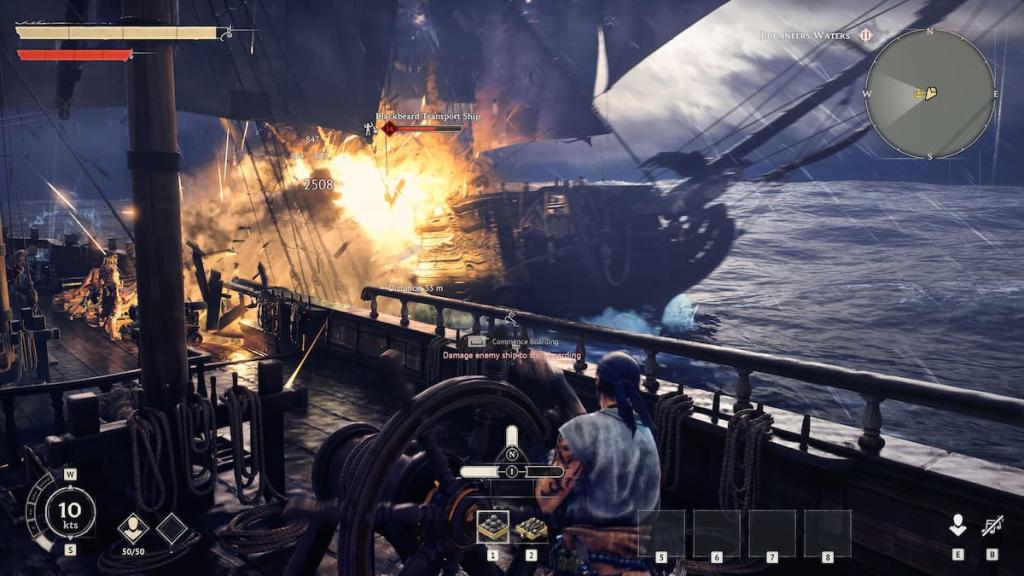
You can chalk numbers up to luck, but luck didn’t steer Windrose. The game folds together strong survival crafting, co‑op raids for up to eight, and naval combat that sells the early‑1700s pirate fantasy. Players craft coves, forge boats, and build everything from a wooden shack to a fortress carved into stone.
Word of mouth moved fast — it spread like wildfire — and that’s important on a platform where Steam’s discovery mechanisms favor momentum. Streamers on Twitch and creators on YouTube amplified the rush, while Steam Charts and SteamDB made the climb visible to everyone watching.
Why is Windrose so popular?
Because it gives players a string of small, repeatable thrills: ship fights that feel tactile, base building that rewards creativity, and cooperative play that creates stories. The Golden Age of Piracy setting is authentic enough to sell the fantasy, and the survival systems keep you busy between raids. Combine that with a steady cadence of updates from Windrose Crew and you get a loop that keeps people returning.
My Discord filled with invites an hour after launch. What the early access model did for player trust.
When your friends are sending invites, the social proof becomes its own engine. Early access used to mean “unfinished.” Now it can mean “growing world you join now.”
Windrose balances content density with frequent patches, so players don’t hit a wall and leave. That model suits streaming culture: creators can showcase new crafting recipes, naval skirmishes, or base designs the moment they appear, and their audiences often buy on the impulse.
How many players does Windrose have?
Peak concurrent players hit about 204,000, according to public Steam trackers, with roughly 51,000 at launch day. That’s enough to push Windrose past titles like Crimson Desert and Slay the Spire 2 into Steam’s top three most‑played list, trailing only Valve’s in‑house giants.
I watched streams flood with pirate flags that evening. What community momentum looks like in practice.
Communities form quickly around tools and stories. Servers fill, guides appear, and creators build meta that newbies follow. The result is a self‑reinforcing loop: more streams mean more players, more players mean better discovery on Steam, and better discovery pulls the algorithm toward sustained visibility.
Think of the game as a battered sextant pointing north: it gives a rough bearing and the rest comes from the crew you sail with. That combination of directional design and social play is what helped Windrose overtake larger, better‑funded competitors on sheer player engagement.
Is Windrose worth buying in early access?
I played the demo and kept playing after launch. If you want a cooperative survival experience with rich building mechanics and authentic‑feeling naval combat, it’s a strong buy for curious players. Be aware early access means polish gaps and balance issues — you should expect frequent updates and some rough edges while the Windrose Crew iterates.
Steam, Valve, Twitch, YouTube, SteamDB, and the indie press all played a role here, but the deciding factor was social momentum and gameplay that keeps players returning. You can watch charts and commentary, but the only test that matters is whether you find yourself signing back on tomorrow — would you rather be one of those joining the tide or watching it from shore?