You scroll your feed and spot the line everyone’s talking about: Asha Sharma saying Game Pass “has become too expensive for too many players.” The mood flips from outrage to calculation in one tweet. I remember the moment the price hike landed — and the way fans reacted like a pressure valve releasing.
I’ll walk you through what changed, why Microsoft and Activision made the trade-offs they did, and what it means if you buy games, subscribe, or influence the next corporate U-turn. You don’t need me to tell you this is about money and perception — you already felt it in your wallet.
On social feeds, anger turned into demands — Xbox trims the Game Pass bill
Xbox announced a rollback of part of last year’s hike. Game Pass Ultimate is now $22.99 (€22)/month, down from $29.99 (€28), and PC Game Pass falls to $13.99 (€13) from $16.49 (€16). Those numbers still sit above the pre-October 2025 rates (Game Pass Ultimate was $19.99/€19), but the movement signals that the company heard the outcry.
I’ve followed subscription economics for years: price points shape perception as much as value. You’ll notice the cut is enough to change consideration for some players without forcing Microsoft to give up a key bargaining chip.
In matchmaking lobbies, CoD players asked for day-one access — Microsoft and Activision rearranged the calendar
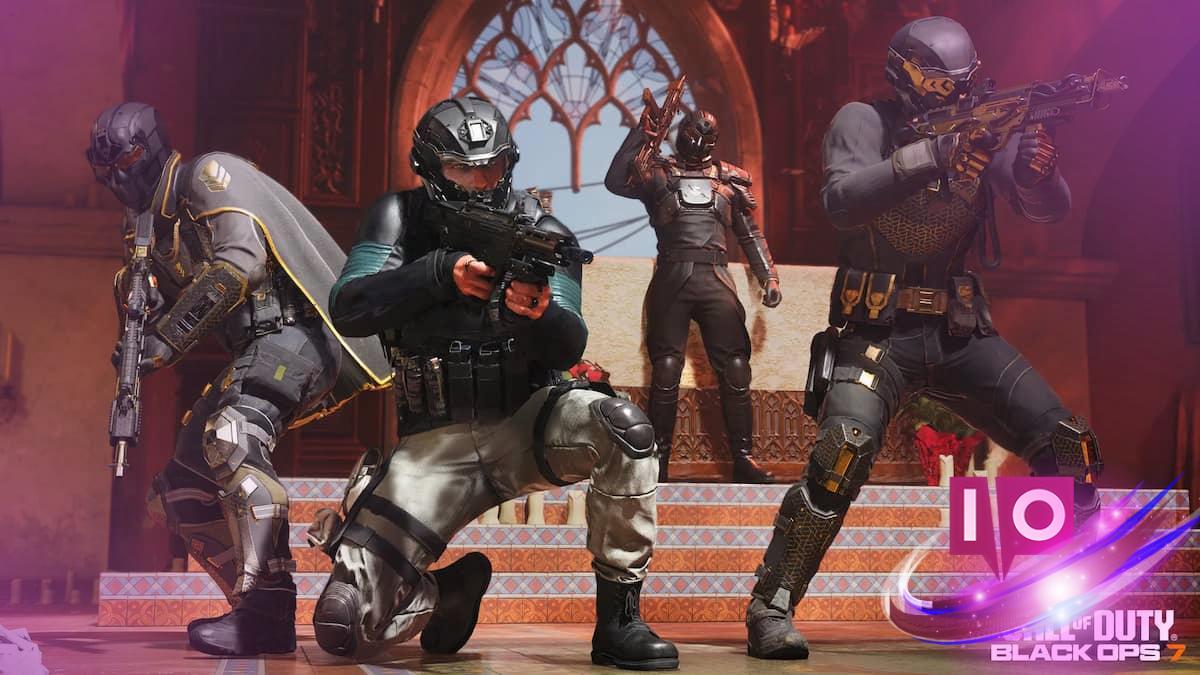
Microsoft said future Call of Duty titles will no longer appear on Game Pass Ultimate the day they launch. Instead, new Call of Duty games will arrive on Ultimate during the following holiday season — roughly a year after release. Activision confirmed it will continue to support Game Pass with catalog titles and that the new games will reach Ultimate later.
Will Call of Duty still launch on Game Pass day one?
No. If you want a Call of Duty title on day one, you’ll need to buy it at launch or wait about a year for it to hit Game Pass Ultimate. That change preserves a revenue stream for full-price buyers and publishers, while letting Microsoft lower recurring fees.
This is a deliberate trade: immediate access for all subscribers was a headline value proposition; removing day-one CoD makes the subscription cheaper but narrows the instant blockbuster draw.
At checkout counters and subscription pages, players vote with wallets — why the price cut matters
Asha Sharma put it plainly: “Game Pass Ultimate has become too expensive for too many players.” That’s an authority cue from the top telling you this wasn’t a minor tweak — it was a reaction to sustained pushback. For many households, a $7 monthly difference ($29.99/€28 → $22.99/€22) changes whether the service fits the budget.
How much does Game Pass cost now?
Current U.S. pricing: Game Pass Ultimate is $22.99 (€22)/month (was $29.99/€28), and PC Game Pass is $13.99 (€13)/month (was $16.49/€16). Before last October’s increases, Game Pass Ultimate had been $19.99 (€19)/month.
At the developer desk and in boardrooms, value gets weighed — what this means for players and studios
Microsoft and Activision clearly concluded that day-one CoD on Game Pass was expensive enough to be a bargaining chip. I suspect the internal metrics — engagement, conversion to other purchases, retention — showed a big enough lift from day-one access to make this painful to surrender.
For studios, the choice is familiar: you can trade early exposure for lump-sum revenue. For players, it means more choices that are segmented by timing and payment method.
In forums and storefronts, the conversation will keep moving — what to watch next
Expect three battlegrounds: pricing psychology, launch-window exclusives, and how publishers calculate the lifetime revenue of a player who discovers a game on Game Pass versus someone who buys day one. Tools and platforms worth watching here include Xbox Cloud Gaming, Activision’s player metrics, and competitor responses from PlayStation and Steam storefront strategies.
Microsoft lowered prices to regain goodwill; Activision retained a year-long window to monetize new releases outside Game Pass. It’s tidy arithmetic, but public opinion will decide whether the math was fair.
I’ll leave you with this: if companies treat subscriptions like ledgers, this feels like a ledger finally balancing — but do you think that balance is stable enough to last?