
I pressed my back to a cold bulkhead as alarms screamed and the lights jittered; the protomolecule had a way of making choices feel urgent. You could smell metal and spilled coffee in the station’s corridors while a twin’s voice argued about loyalties beside you. For a minute there I felt like Owlcat was daring me to choose between spectacle and substance.
I’ve followed Owlcat from the isometric vats of Pathfinder to its Warhammer experiments like Rogue Trader and the announced Dark Heresy. You know the studio: math-first RPGs where choices ripple through numbers and narrative alike. That pedigree makes this moment—when Owlcat trades its crunchy table for cinematic third-person—feel like a fork in the road.
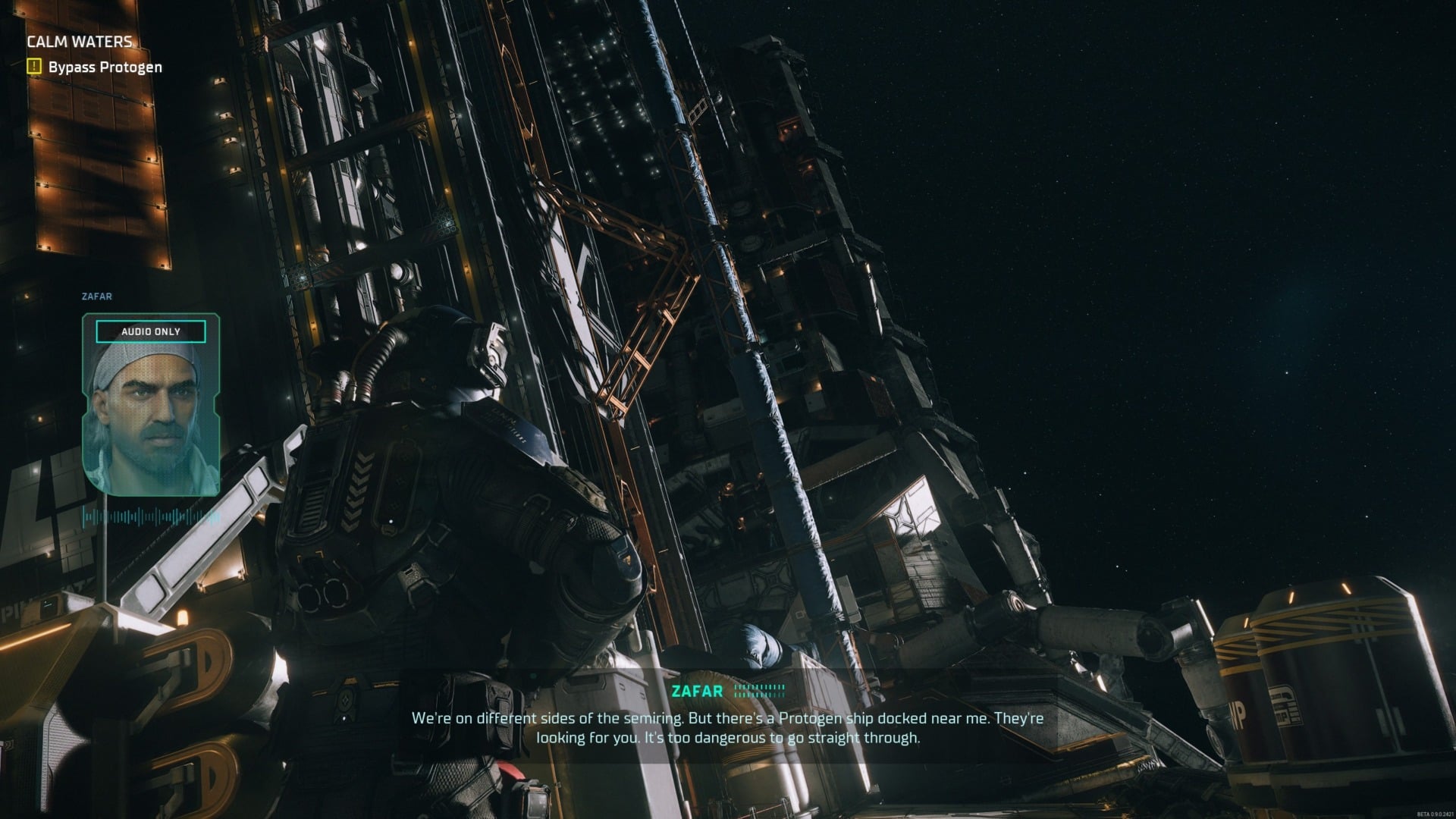
The station smelled faintly of burnt circuits. Why the comparison to Mass Effect keeps coming up
I’ll be blunt: you’ll think Mass Effect when you play Osiris Reborn. Bioware’s influence is visible in the third-person gunplay, cinematic dialogue beats, and the way missions thread story and spectacle together. That’s not a criticism—Bioware built a grammar for space operas—but it raises a question I kept asking while on the beta: can Owlcat graft its RPG muscle onto a bigger, flashier frame without losing the parts that made its earlier games sing?
Is Osiris Reborn similar to Mass Effect?
There are shared fingerprints: sprinting from cover, issuing commands to a companion, branching conversations that affect immediate outcomes. But Owlcat refuses the straightforward morality slider. Instead you get multiple social skill trees, environmental interactions, and equipment-as-abilities that bend playstyles in subtle ways. Where BioWare often built choices into reputation meters, Owlcat buries them in systems—engineering checks, perception overlays, and gear that changes how a character behaves in combat and conversation.
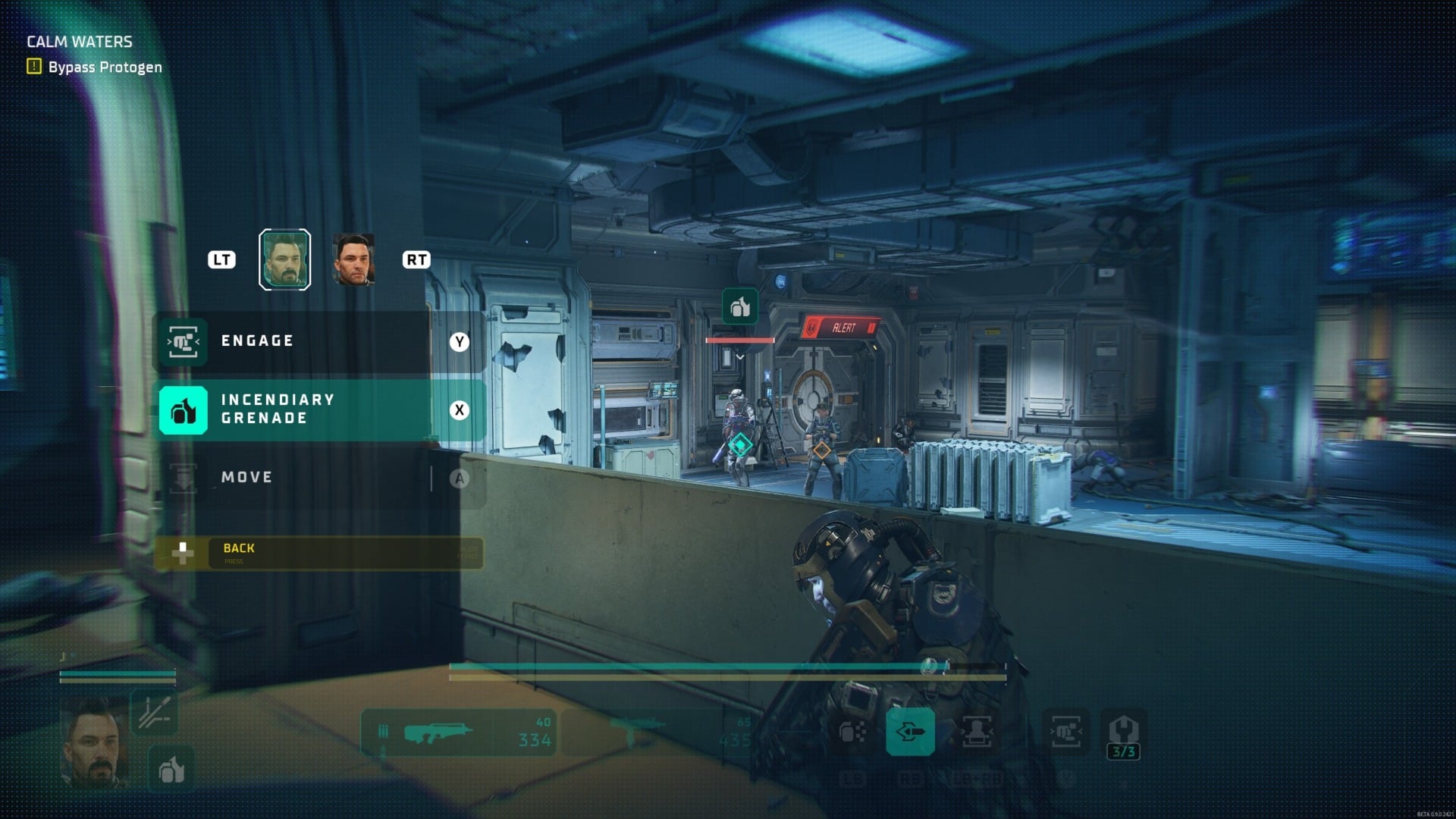
The corridor lights stuttered as debris fell. How the game’s combat and visuals work together
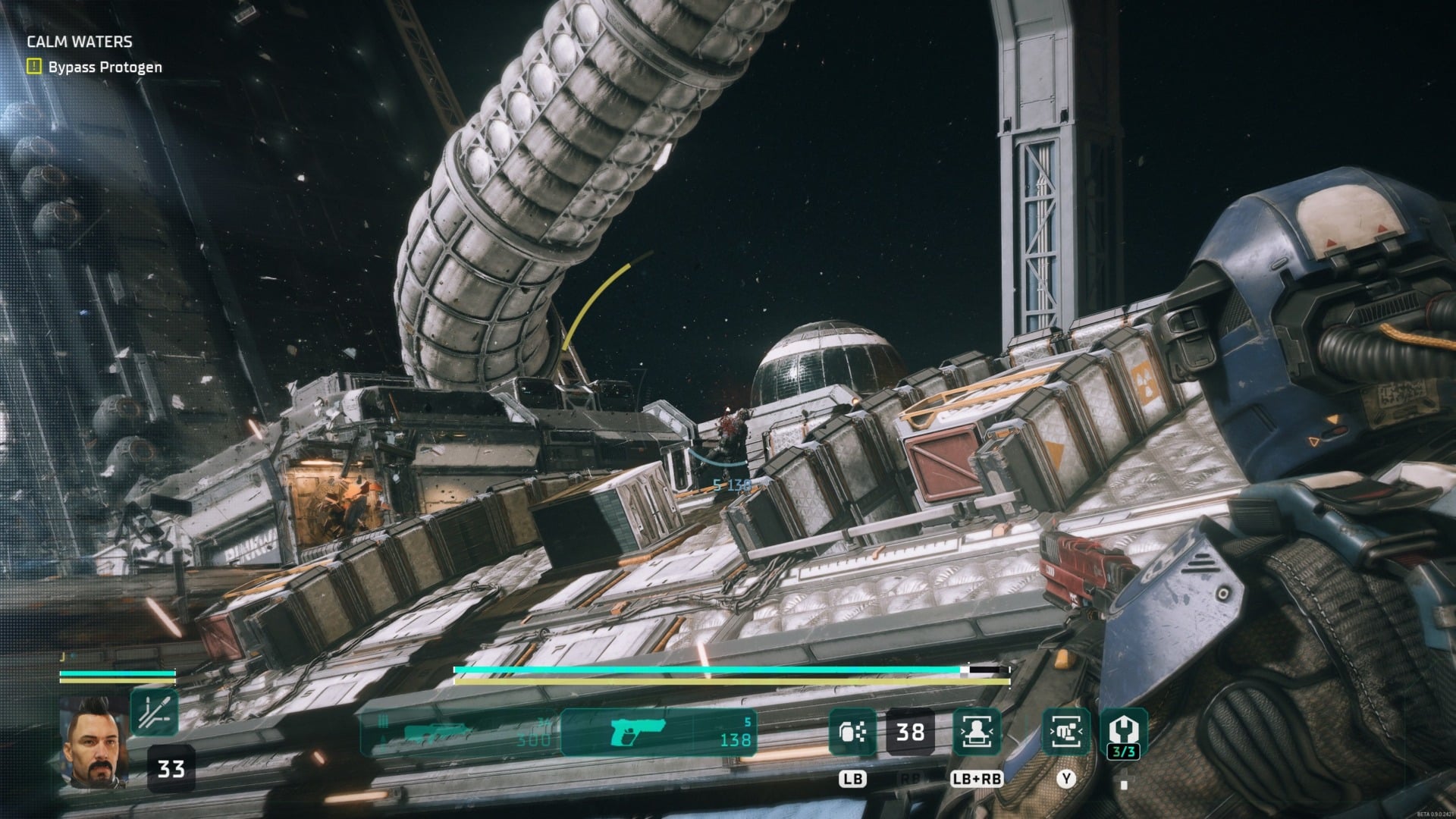
You’ll notice the visuals first. This is Owlcat’s most cinematic offering so far: lighting, character models, and environmental wear that reacts to gunfire. Osiris Reborn earns those moments—the vacuum sequences mute sound to create claustrophobia, while destructible environments let you force the battlefield to change.
The visuals are like a stained-glass window catching explosions—pretty, brittle, and full of story. Combat swaps Owlcat’s usual tactical pause for a heavy slo-mo command mode that pressures you to think fast while feeling decisive. Abilities and companion orders create small set pieces: blow a bulkhead, and the path shifts; hack a terminal, and a new conversation thread opens. The beta’s combat feels polished, but I want to see whether those choices echo later in the campaign or serve as surface spectacle.
A trader wiped grease from his hands and shrugged. How dialogue and skill systems preserve Owlcat’s RPG identity
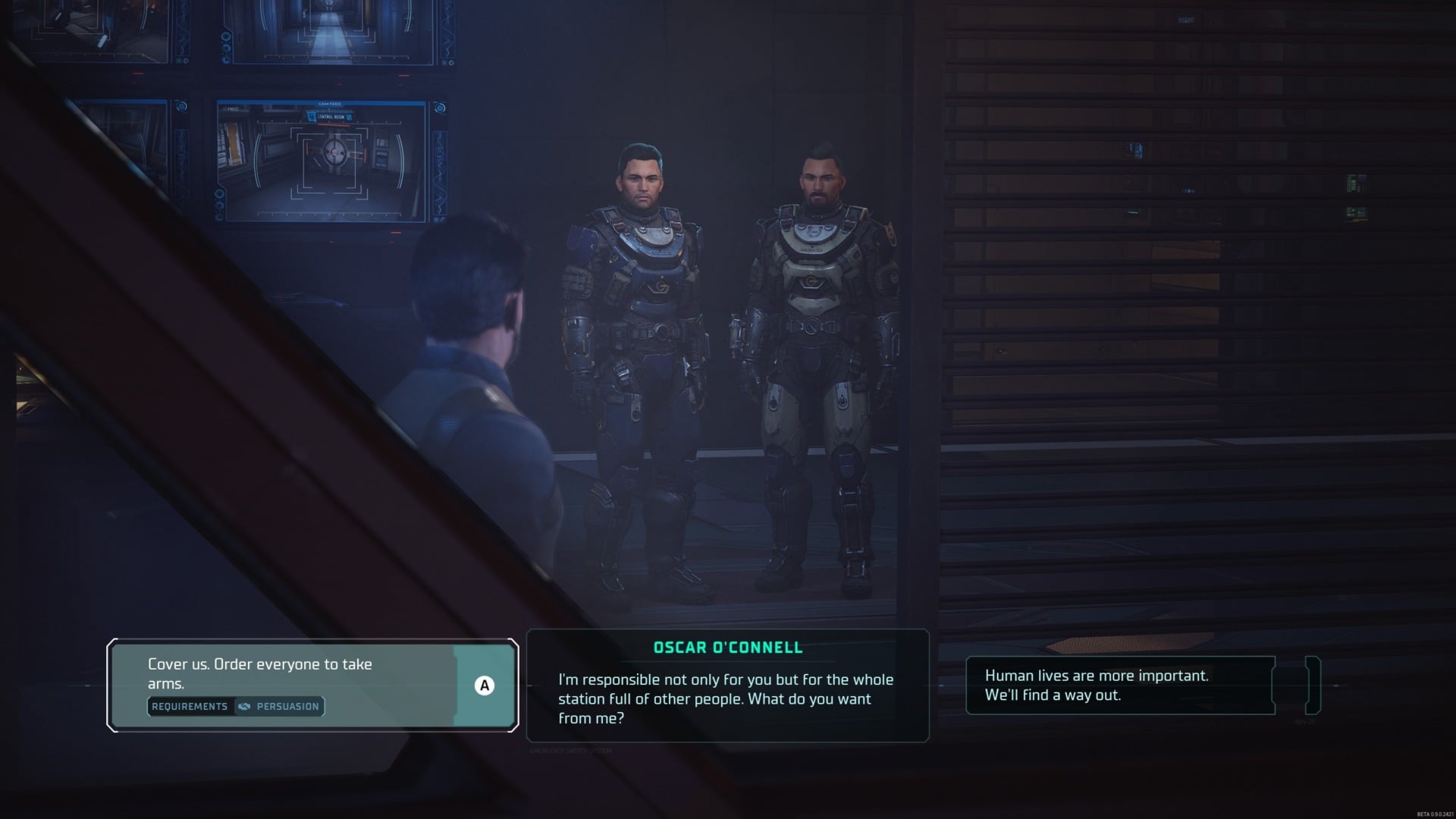
Dialogue in the beta refuses binary moral framing. Instead you invest in social trees—persuasion, engineering, athletics—that materially change interactions and exploration. A successful persuasion roll can pry gossip from a trader; a high engineering check might reroute power and open a hidden path.
Gear matters as much as your skill points. Weapons and armor contain abilities; mods can twist skills into different playstyles. That system keeps choice tactile: you aren’t just building a character sheet, you’re equipping a narrative instrument. That’s where the studio’s pedigree shows most clearly; the numbers still tug on outcomes behind the cinematic curtain.
Will Osiris Reborn keep deep RPG systems?
Short answer: signs are promising. The beta’s curated mission showcases branching dialogue and layered skill checks, and the crafting system suggests long-term customization. But this slice is small—about an hour to clear—so the proof will be in how these systems scale across the expected ~30-hour campaign.
A marketing rep slid a glossy counter sheet across the desk. What the beta leaves unanswered
The beta does an excellent job of teasing potential, but it’s a tease. With one curated mission I can’t tell how Earther, Martian, or Belter backgrounds shift long-term relationships, or whether party dynamics will fracture in meaningful ways. Replayability is present—preset archetypes like “Leader” and “Hacker” (note: the beta calls them that) let you sample different builds—but you’re not seeing the campaign’s full branching architecture yet.
There’s also the controversy around early generative-AI use in concept phases; Owlcat promises final assets are human-made, but the admit feels unnecessary given how well the game channels the novels and TV adaptation. That reputation risk may matter to fans who value handcrafted worldbuilding.
A cashier counted preorder slips quickly. The hard numbers on price and access
The beta opened to players who preordered the Miller’s Pack or Collector’s Edition on April 22. Owlcat is asking for at least $80 (≈€74) for a fancier edition that grants beta access, and the Collector’s Edition runs near $300 (≈€276). Those are not trivial sums when the preview itself runs about an hour, so if you’re weighing preorder incentives you should expect the full game to justify those prices with systems that persist across dozens of hours.
The Expanse: Osiris Reborn is slated for release in spring 2027 on PC, Xbox Series X|S, and PlayStation 5. The narrative sits where the first two books and early seasons of the Syfy/Prime Video show do, and Owlcat leans on the work of Daniel Abraham and Ty Franck (James S.A. Corey) without copying either source wholesale.
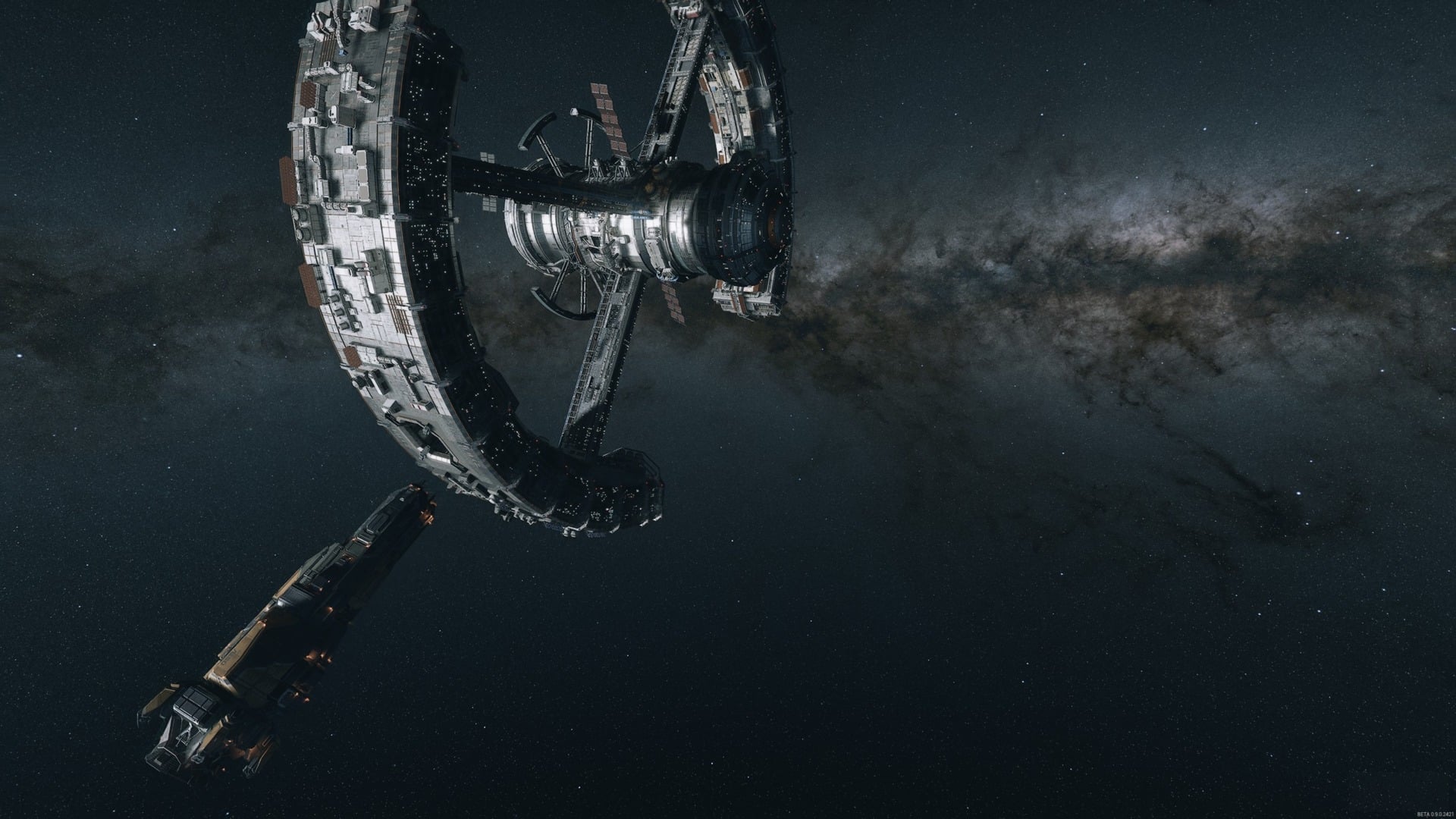
Owlcat is attempting something like a hybrid — Osiris Reborn feels at times like a chessboard turned into a drum kit, where tactical planning and frantic action share the same rhythm. If the full game keeps the systems honest and lets choices echo, you won’t be choosing between spectacle and substance so much as carrying both together down the same corridor; if not, it risks being a gorgeous single mission without the weight to match. Which outcome will you hope Owlcat delivers?