
I opened the Xbox newsroom and paused. The headline said We are Xbox, and for a beat the company felt both recognizable and newly intent. That small, decisive statement landed like a promise—and a warning.
I’ve followed this brand through highs, acquisitions, and boardroom shifts, and you should read this move as I did: a leadership team trying to steer a massive machine with speed and purpose. Asha Sharma and Matt Booty wrote more than a press release; they handed a map. This is a mentorship moment—I’ll walk you through what matters and what quietly changes for players, creators, and the industry.
The logo on my controller still feels familiar.
Yet the message under it has changed tone. Microsoft Gaming is back to being called Xbox, and the company laid out 10 guiding ideals that read less like marketing and more like doctrine.
They promise a single brand that spans console, PC, mobile, and cloud. Console remains the base; cloud is the amplifier. And the pledge to keep games, progress, friends, and identity synced across devices is meant to be a customer habit-generator, not a slogan.
Why did Microsoft rename Microsoft Gaming to Xbox?
Because brand coherence matters. After decades of Phil Spencer’s leadership and major studio acquisitions—Bethesda, and the attempted Activision deal that reoriented the whole industry—Asha Sharma is signaling a return to a single consumer-facing identity. It simplifies messaging for Game Pass, hardware plans like Project Helix, and Azure-powered cloud play.
The pledge reads like a playbook on a whiteboard in a late-night studio.
The leadership laid out ten principles: earn every player; protect our art; stay rebellious; progress over perfection; signal over ceremony; core before more; outwork the problem; speed is learning; makers over managers; clarity is kindness. Short, sharp, and intentionally behavioral.
This reads like resetting a compass after a storm. The list isn’t PR gloss—it’s an operational checklist meant to change daily decisions at studios, product teams, and support orgs.
What are Xbox’s new priorities?
Short answer: growth measured by daily active players, hardware, content, player experience, and services like Game Pass. That last piece is the hooks-and-retention engine—Microsoft wants you in the ecosystem every day, not just at launch.
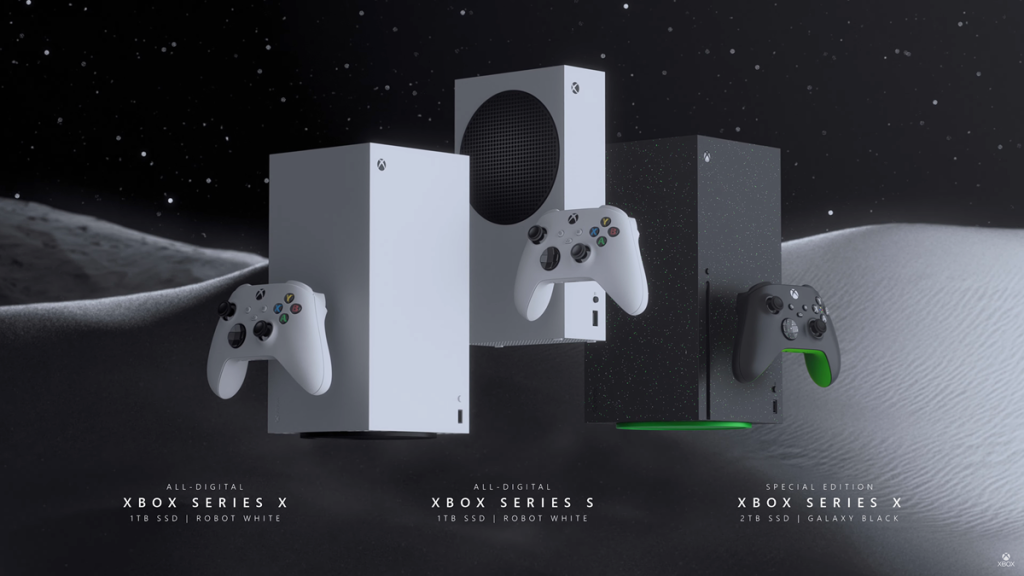
I watched a colleague launch a studio update and notice the new language instantly.
Sharma and Booty framed Xbox as a challenger now—no nostalgia tour, but also no desire to erase past wins. They wrote that meeting this moment will require pace, energy, and an uncomfortable level of self-critique. That language is a behavioral leash: move fast, ship responsibly, protect creative work.
It offers a lighthouse cutting through fog for a brand that once led the pack—clear signals for partners and rivals alike.
Will Game Pass change?
Game Pass remains the central lever. Expect tighter integration across device types, pricing flexibility, and curated catalog curation that prioritizes daily engagement. Pricing specifics weren’t announced; any mention of USD in future pricing must come with euro equivalents under industry reporting rules.
The boardroom talk will now be measured in daily active players.
That metric flips some classic console-era incentives. Monetization, launch windows, and exclusive deals will be argued against that single north star. For you as a player, that can mean more live-service thinking and fewer six-year bet exclusives unless those games deliver repeat engagement.
For creators—from indie devs using Unity and Unreal to large studios like Bethesda—the promise to be “open to all creators” signals continued support for third-party distribution and longer-lived services on Xbox platforms and Azure cloud.
Real-world consequences are already visible.
Project Helix hardware plans, ongoing Game Pass portfolio choices, and prioritization of cloud on Azure are tangible moves that follow the statement. Phil Spencer’s long tenure left a blueprint; Sharma’s early weeks are redrawing the streets on that map.
If you build for consoles, PC, or cloud, you should expect clearer product signals, faster gating of projects, and a renewed emphasis on protecting creative IP.
The full statement is on the Xbox website, and if you follow platform shifts—Game Pass, Azure, Project Helix, and studio leadership—this is where strategy becomes practice.
I’ll keep watching the executive moves, studio roadmaps, and how Game Pass behavior shifts. Will this renewed focus be enough to reclaim the high ground and force competitors to answer differently?