
I walked onto a set and felt my compass fail. You know when a corridor refuses to lead you back. That moment is why I assumed the Backrooms movie would be another dud—until Kane Parsons said something that flipped my opinion.
I’ve been stingy with hope for adaptations that start as creepypasta or game lore. You probably are, too: the genre’s track record reads like a warning label. Still, a director who builds an environment that traps his own crew is worth staring at.
On every studio lot I’ve visited, sets are measured with tape and run by production managers.
The new detail that stopped me cold was simple: Parsons and his team constructed 30,000 square feet of walkable backrooms. That’s not a green screen corridor looped in post—people got lost on the set. Parsons told The Hollywood Reporter at CCXP Mexico that the scale forced a sensory fidelity you don’t get from stitched-together VFX.
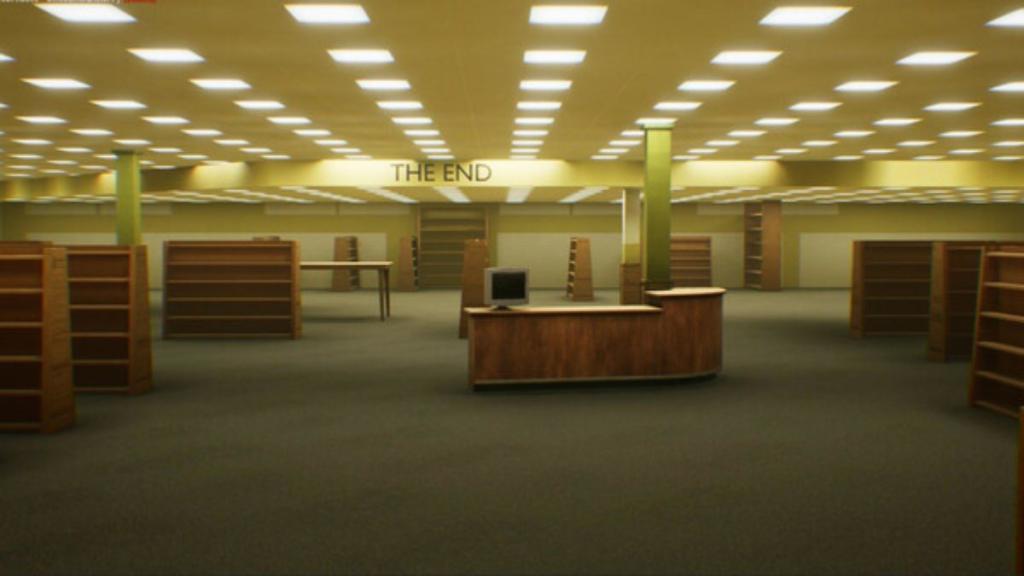
What are the Backrooms?
The Backrooms began as a shared internet myth on places such as 4chan and later spread on YouTube and Reddit—an idea about “no-clipping” out of reality into an endless, fluorescent-walled space. It’s less a plot and more a spatial horror: the dread comes from corridors that refuse to resolve, not a monster reveal.
At conventions you hear creators tell origin stories in half-jokes and full honesty.
Parsons isn’t a studio outsider without context—he adapted the material for a YouTube web series before A24 and Chiwetel Ejiofor signed on. That background matters. He knows the fanbase, the limits of creepypasta, and how to respect a concept without turning it into rote jump scares. The result is practical production design that reads as obsession, not checklist.
The set’s physicality is an argument: the film will trust production craft over endless CGI. It’s a calculated bet on atmosphere and logistics—on corridors that behave like real spaces, where returning the way you came still leads you somewhere else. The mise-en-scène aims to prey on the brain’s spatial mapping, a psychological trick grounded in how we form mental maps.
Who is directing the Backrooms movie?
Kane Parsons is directing. He spoke at CCXP Mexico and used examples from his YouTube series to explain why he avoided treating the Backrooms as a mutable dream-state. He wants the rooms to feel fixed and interminable rather than whimsical or symbolic.
I’ve watched web series get smoothed into popcorn horror and crumble on Rotten Tomatoes.
That history is why I was skeptical. Creepypastas often bleed into cliché when studios chase a recognizable beat. Parsons’ choice to build a labyrinth where crew members lost their way is a statement against that pattern. It’s a bet that texture, repetition, and pacing will sell dread more effectively than clichés ever could.
Will the film stay true to the source material?
Faithful adaptation isn’t binary. Parsons’ approach—practical sets, measured constraint, and an eye for liminal detail—leans toward honoring the core experience: endless sameness that corrodes your sense of place. Fans who worry about Hollywood flattening the myth should pay attention to the production choices Parsons is making.
In production meetings, designers talk about what the camera can and cannot hold.
Translating an abstract concept—no-clipping—into a film means choosing what you show and what you hide. Parsons repeatedly emphasized that he wanted rooms that never really change, because the horror is in the brain’s effort to map them. That insistence on rules gives the film its spine: a steady, corrosive confusion rather than a looping parade of set pieces.
I wanted to be cynical. You probably did, too. But when a director builds a physical ecosystem that even crew members can’t solve, it signals respect for the source material and for the audience’s intelligence. The practical scale, Parsons’ YouTube pedigree, and A24’s willingness to back this approach flip my hesitation into curiosity—will cinema finally give this internet-born idea the patience it deserves?