
I died on Carcosa for the twentieth time that morning. You watch the hub grow quieter, tally your upgrades, and step back into the loop. I’ve been asking the writers of Saros the same question you’re probably asking: what keeps you coming back?
I spoke with Housemarque’s creative director Gregory Louden and senior narrative designer Khalil Osaimi about why this roguelike lets story breathe without choking gameplay. I’ll take you through the choices that turned repetition into a narrative muscle, the ways logs and voices fragment truth, and why the eclipse doesn’t behave like scenery.
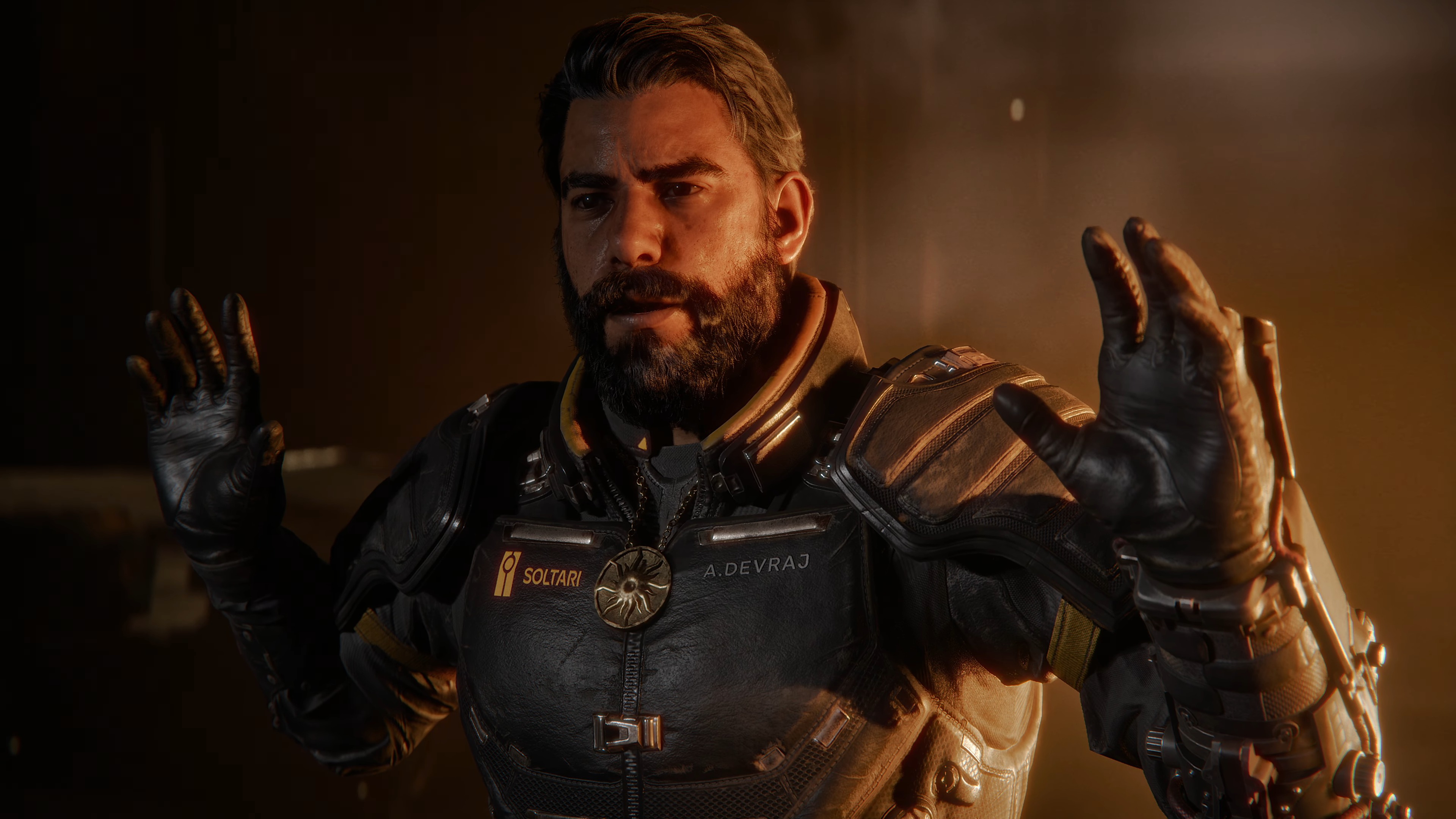
At a late-night PlayStation briefing, Gregory pulled a prototype clip and said one line out of context
That one line changed how I saw Arjun. Louden told Movies & TV the studio moved from a solitary voice in Returnal to a chorus in Saros on purpose: players needed more mirrors to judge the planet’s influence. You meet characters in the Passage hub, read text logs, listen to audio, and watch holos that refuse to agree with one another.
Housemarque kept its gameplay-first creed, but they let character moments appear as rewards you earn for surviving. The writers designed narrative beats to land after tense fights, not before them, so story functions as an earned curiosity, not a tutorial.
What is Saros about?
At surface level: you play Arjun Devraj on the alien planet Carcosa, repeating runs, dying, and learning why previous teams failed. But the game’s meat is perspective: who records a log, where it’s found, and the slowly shifting portrait of Arjun depending on who’s speaking. The marketing has been cryptic about motive, and that’s by design—Louden and Osaimi want you to assemble motive from fragments.
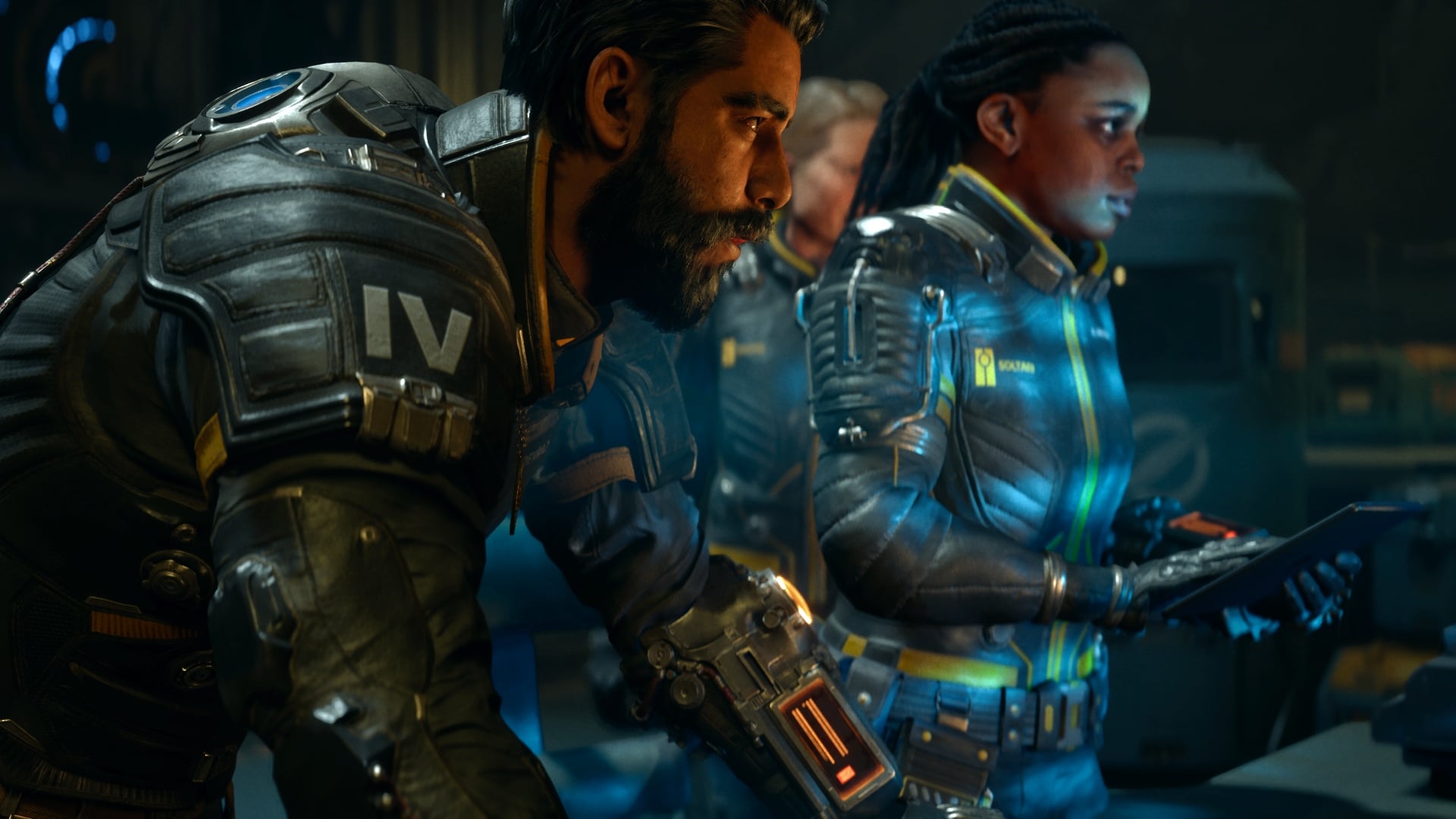
In a cramped test lab, I watched a player make the same mistake three runs in a row
Repetition is the game’s engine. Louden calls the mantra on the box “Come back stronger.” That isn’t marketing fluff: the loop’s psychology is designed to turn loss into incremental knowledge, and the story sits on top of that loop as both motivation and measurement. The fear of loss matters—each death rewrites what you know about the planet and about Arjun.
Where Returnal focused tight on Selene, Saros spreads the spotlight. The team broadened its influences; if Returnal nodded to H.P. Lovecraft, Saros reads traces of Robert Chambers’ The King in Yellow and the dread that fed shows like True Detective. That literary lineage shows up in color, name choice, and the eclipse as a repeated event that changes found recordings over time.
How is Saros different from Returnal?
You get more voices. Returnal was intimate and solitary; Saros adds a cast and a hub where you can compare notes. The stakes feel social: Carcosa doesn’t just break a single mind, it fractures group narratives, which forces you to re-evaluate allies and enemies as runs accumulate.
On the studio whiteboard, sketches of the eclipse sat beside lines of dialogue
Osaimi said the team treated certain moments—like the eclipse—as characters that change everything they touch. The eclipse is a living bruise over Carcosa.
Louden described characters as “discovered, not told.” That shows in the delivery: voice logs go madder near the eclipse, animated clips after deaths add context, and you only get the full mosaic if you read the scattered logs between runs. The narrative is reward-based; the better you survive, the more shards of truth you gather.
After our final call, Louden pushed a small stack of reference texts across the table
He wanted me to see how far the team went to root cosmic horror in game loops. The studio collected dozens of references, and The King in Yellow became a lodestone for tone and imagery. Kotaku and Movies & TV coverage have noted how cryptic marketing parallels the game’s refusal to hand over clear answers.
So what does this mean for you as a player or a writer? If you play on a PlayStation 5, expect a story that rewards persistence and curiosity, one that uses repetition to reveal personality rather than to punish. If you’re a designer, note how Housemarque married combat pacing and narrative payoff: beats arrive after accomplishment, and logs are scaffolding for a bigger mystery.
I’ve told you what they said. I’ve told you what I saw. Will you keep dying until the story lines up, or will the contradictions in the logs make you question whether Arjun is the hero of his own tale?