You feel the lights drop and the audience lean forward. I watched the Assassin’s Creed movie and saw hope drain from the crowd, a cracked vase losing water. Now Ubisoft is trying again — but this time the action will land on a wooden floor under real feet.
I follow this series because its highs taught me what true spectacle can do, and its lows taught me how a brand frays when experiments miss their mark. You know the itch: a beloved franchise keeps changing shape until even the faithful hesitate to pay for the next act.
At the box office, audience trust matters more than star power.
The 2016 film arrived with name actors and a big budget, yet public reaction was muted and critics were blunt. I think the film collapsed under two pressures: it tried to translate a sprawling, centuries-spanning game into a two-hour script, and it stripped away the franchise’s heartbeat — the alternating past/present tension that gave the games emotional ballast.
Why did the Assassin’s Creed movie fail?
Because it treated an interactive myth as a linear product. Producers leaned on spectacle and CGI where players expected identity and consequence. The result felt like a faithful prop with empty stories behind it — applause for stunts but no lasting memory.
At live theater, physicality sells in ways cameras cannot.
Cirque du Soleil proved that bodies in motion can carry narrative weight. Ubisoft hired a former Cirque director to stage Heredis: Echoes of the Past, promising acrobatics, parkour, and choreographed combat across eras — an arena where the franchise’s DNA might actually breathe.
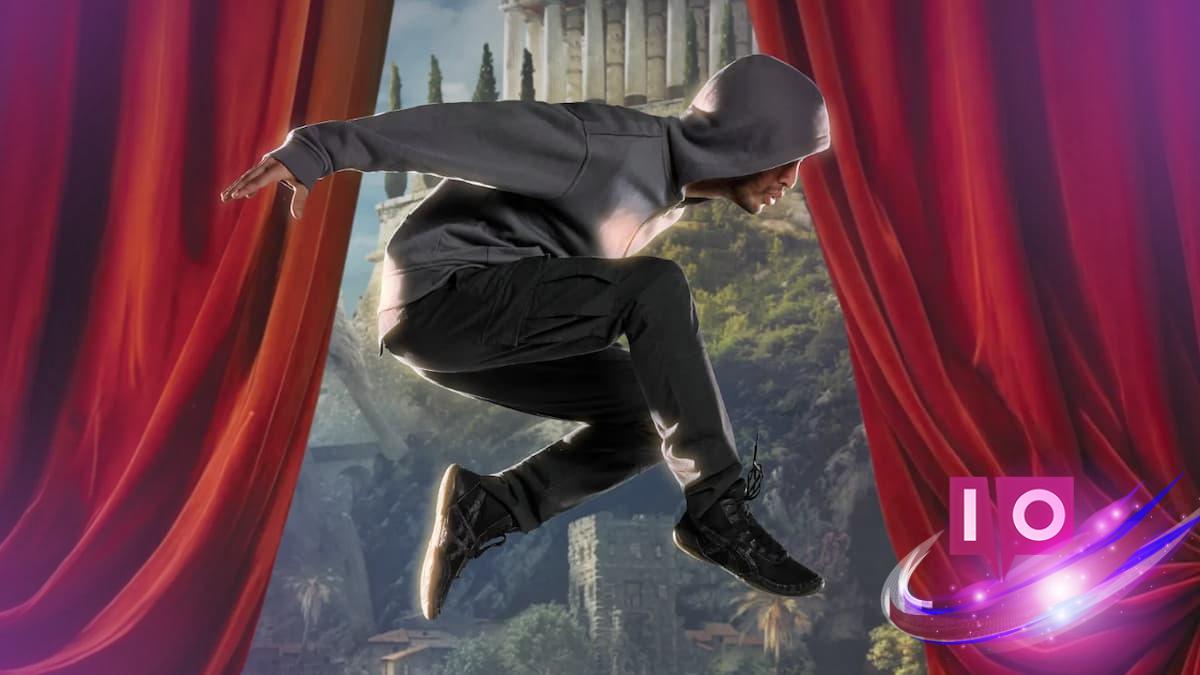
The show is marketed as “inspired by” the games rather than a straight adaptation. The plot follows Naël, who searches for his missing father via the HEREDIS program — an obvious nod to the Animus/Abstergo machinery without naming them. Rock Paper Shotgun flagged the creative team’s intent to craft immersive visual environments; Moyens I/O’s image hints at both period costumes and modern-day sequences.
What is Heredis: Echoes of the Past about?
It’s a series of trials across different historical eras, presented live. Expect set pieces that look like your favorite missions rendered physically: rooftop runs, hand-to-hand choreography, and theatrical projections mapping cities through time. The official site lists performances in Montréal and Paris from Dec. 3 to Feb. 7, and the staged format lets directors experiment where film budgets and editing once constrained them.
At fandoms, expectations are a fragile ledger.
Fans measure any new project against an encyclopedia of memories: game mechanics, characters like Desmond Miles, and the intellectual duel between Assassins and Templars. You can’t surprise every forum; you can only earn attention back bit by bit.
Will the play be faithful to the games?
Heredis will likely feel familiar without being canonical. By not naming Animus or Abstergo, the production buys freedom to mix eras and modern scenes — a tightrope stretched between past and present — while keeping nods fans expect. That approach risks alienating purists who want strict continuity, but it also opens room for new audiences who care more about spectacle and emotion than lore fidelity.
For Ubisoft, this is a brand experiment that leans into live performance tools — theatrical projection, stunt coordination, and the director’s circus-trained pedigree — instead of another cinematic reset. Rock Paper Shotgun, Moyens I/O, and the official Heredis site are already positioning the show as a testing ground for how far the IP can travel outside game consoles.
I’m watching because the franchise’s core theme — powerful elites shaping history from the shadows — was always flexible enough to sustain new formats. You have to respect the gamble: a franchise that failed to fully land on film is now chasing immediacy, risking applause or ridicule in equal measure. Which outcome would matter more to you — a bold reinvention that divides the fanbase, or a safe retelling that no one remembers?