
I was reading MercurySteam’s LinkedIn post and my stomach dropped. The words felt scripted, the moment felt raw, and you could almost hear a rehearsal end mid-line. It felt like a stage curtain dropping on an active rehearsal.
The LinkedIn post landed at midday: What MercurySteam actually said
I read the announcement so you wouldn’t have to parse the corporate poetry. MercurySteam — the Madrid-based studio behind Metroid Dread and a string of Castlevania work — called this round of job cuts a “workforce adjustment process.”
That phrasing is a soft cloth over a hard break: the company acknowledged the layoffs and offered respect and support to affected people, while asking other studios to reach out if they need experienced developers. The post promises help and “humanity” over the coming weeks; it’s the kind of public-facing text meant to placate partners and the press.
Why did MercurySteam lay off staff?
Short answer: they didn’t say. The post framed it as a common production cycle move, but gave no concrete numbers or financial context. You’re left with signals — a studio with recent high-profile work, a new title about to drop, and razor-thin public details.
The Steam page goes live in 48 hours: Why timing makes this feel worse
I checked the store listing and the Metacritic snapshot so you can see where public perception sits. Blades of Fire is due in two days on Steam and currently holds a 71 Metacritic score from 54 reviews.
You sense a clash: a launch that should be momentum-building, and an internal pruning announced just before. That creates a curiosity loop — will reviews and player impressions shift if staff are gone, or if post-launch support is thinner?
Will Blades of Fire’s launch be affected?
There’s no hard evidence yet. Shipping an action game is a major milestone, but post-launch patches, balance updates, and server or community support often reveal the true cost of reduced headcount. If you follow Steam’s community updates, you’ll know the first week can make or break long-term engagement.
The studio’s history sits on the shelf next to the announcement: Context matters
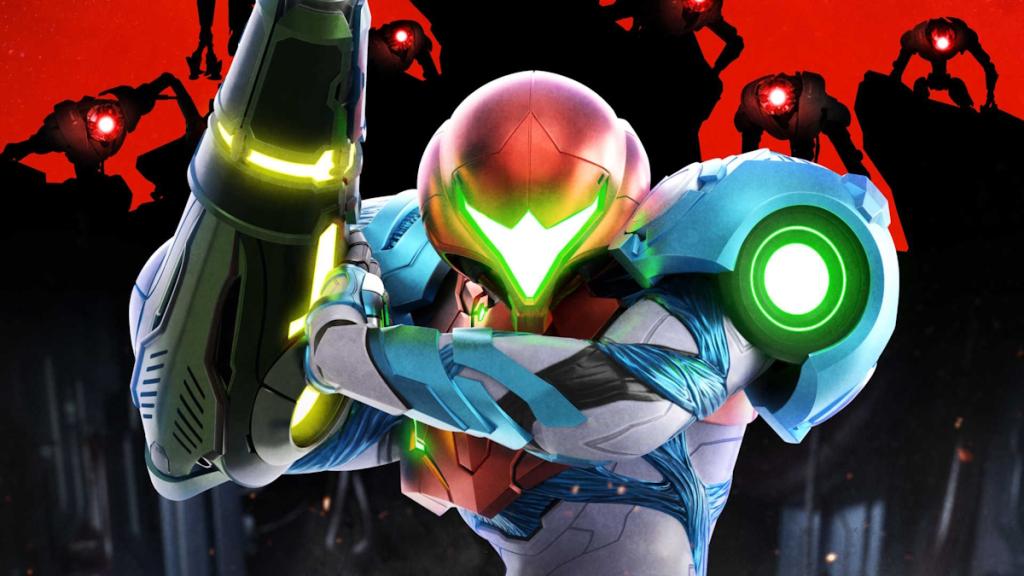
I’ve watched MercurySteam grow from 3DS ports to co-developing Metroid Dread with Nintendo — that pedigree matters when you judge capability. They shipped Metroid: Samus Returns and worked on the Castlevania: Lords of Shadow era, so this isn’t a small-time shop.
That makes the layoffs notable beyond headcount: it signals industry stress hitting even teams with proven IP partnerships. The studio now resembles a weathered ship losing crew as it rounds a stormy cape.
How many developers were affected?
Nobody has published the count. MercurySteam’s public line focuses on respect and offers of assistance, which means numbers will likely surface through employees, recruiters, or LinkedIn threads — platforms like LinkedIn and Twitter will be where you’ll first spot ex-staff seeking roles.
The human detail at the center: What the public message leaves out
I want you to hold the human picture while you read the corporate copy. Announcements like this use standard language — gratitude, commitment, support — but they rarely map to individual severance, rehiring timelines, or the mental toll on teams finishing a launch under strain.
If you’re hiring, MercurySteam invited contact in their post. If you’re a player, watch the game’s first updates and the studio’s community channels. If you’re a developer, this is a reminder to keep your portfolio and network active on Steam, GitHub, and LinkedIn.
MercurySteam named platforms and partners indirectly by referencing past projects; Nintendo, Metacritic, and Steam are part of the ecosystem implications. You can track immediate fallout in the same places that track launch traction: Metacritic scores, Steam reviews, and social chatter on X and LinkedIn.
I don’t have all the answers — and I’ll keep watching the feeds so you don’t have to wade through every post yourself. What matters now is the people who built those systems and how the industry treats talent when a release date looms. Which studios will step in to hire, and which players will notice the difference in post-launch care?