
I was three hours into a PC session when a tip landed in my inbox and everything shifted. You feel it when a company decides which doors to keep open. This time the doors are closing on PC players.
On Steam wishlists and store shelves, PlayStation titles have been creeping onto PCs for years. PlayStation Is Pulling Back From PC as Single-Player Exclusives Return
I remember the first time God of War showed up on Steam — it felt like a truce between ecosystems. Then came Ghost of Tsushima, Horizon, and Spider-Man Remastered, and you could sense a change in strategy: Sony testing the waters, courting a new audience, and earning cash outside the PS5 bubble.
Now Bloomberg’s Jason Schreier reports Hermen Hulst told PlayStation staff that narrative single-player games will be kept as PlayStation exclusives. That memo lands heavy when multiple high-profile single-player AAA games are queued for release this year: Marvel’s Wolverine, the God of War trilogy collection, Intergalactic: The Heretic Prophet, and other cinematic projects that have already appeared on wishlists.
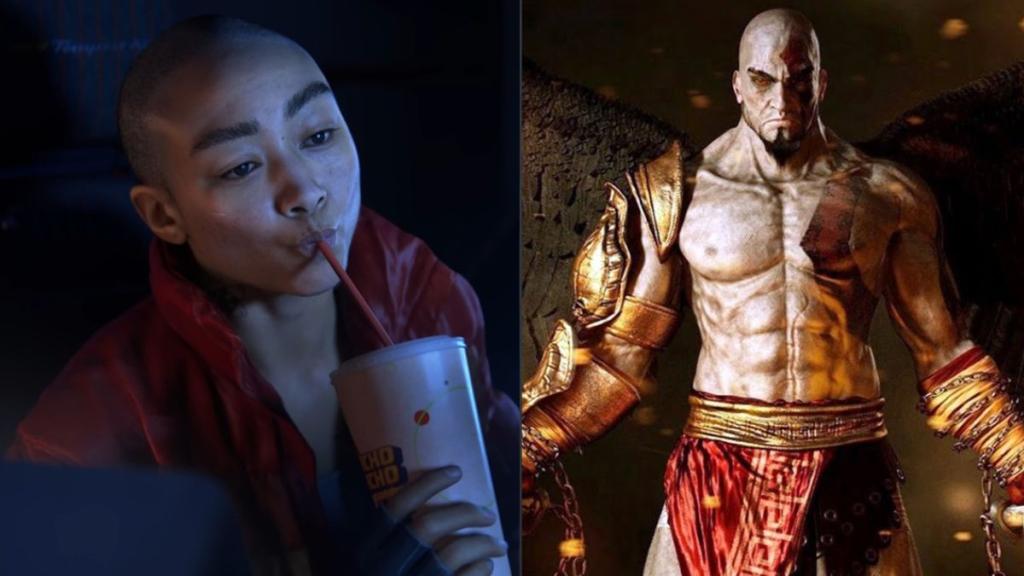
Will PlayStation exclusives come to PC?
People have watched a steady trickle of Sony games arrive on Steam and the Epic Games Store and asked the same question: will the trickle become a faucet again? The short answer is yes—some titles will—but the new directive means many narrative-driven, single-player projects that would have gone to PC may remain console-only for the foreseeable future.
Why is Sony keeping single-player games off PC?
On a practical level, Sony sees these tentpole narratives as hardware drivers. Hermen Hulst’s memo frames certain cinematic games as reasons to buy a PS5 or PS5 Pro; that strategy treats exclusive games as levers to move hardware sales rather than cross-platform revenue. Financially it’s odd given how much revenue PC ports have produced, but strategy and brand identity often win boardroom debates over immediate dollars.
How will this affect PC gamers?
For you as a PC-only player, the change is a loss of choice. The barrier isn’t just $500 (€460) to $700 (€644) for a console; it’s the time, desk space, and ecosystem friction. Sony is acting as a locksmith, turning the key on cross-platform doors that were opening. At the same time, PC gaming is a crowded train station—full of players, storefronts, mods, and hardware variety—tough to cordon off without pushing parts of the audience away.
This move also complicates Sony’s own narrative. Over the last half-decade PlayStation Studios invested in PC ports and porting teams. Those teams and relationships with Steam, Epic, and middleware vendors like Unreal Engine and Unity had become real revenue channels. Pulling back raises questions about internal priorities: is the goal short-term console lift or long-term platform reach?
Meanwhile, Microsoft is continuing expansion in the opposite direction: policies like disc-to-digital conversion and the Xbox-PC ecosystem push toward cross-platform ownership. That contrast matters. If Sony leans heavier on hardware exclusivity, it risks forgoing the broader PC market, where Steam and Epic store visibility can extend a title’s sales life far beyond initial launch windows.
Fans are already reacting online with a mix of resignation and mockery; some joke Sony hates money, others salute the move as a way to preserve PlayStation’s identity. I don’t buy the caricature. This is corporate calculus: push hardware margins or chase platform revenue. You can read it as a bet on the console cycle.
For journalists and analysts, the Schreier report is a reminder to watch internal memos and town halls the same way investors watch earnings calls. The decision will ripple through studios, recruitment, and third-party partnerships—PlayStation Studios’ road maps, hiring for PC engineering, and the cadence of future ports all change when a strategic brake is applied.
So where does that leave you? If you care about single-player narratives on PC, this is a moment to pay attention to release windows, platform announcements, and storefront exclusivity deals. If you’re a developer or an investor, consider how this will affect partnerships with Sony and the viability of PC-first ports.
This pivot is about control as much as content: which audiences are worth courting, and which belong behind a console gate. Is Sony protecting a garden or closing a gate that used to let in new visitors?