
I remember the moment the email arrived: Congratulations—then the line that changed everything. You imagine a badge, a roster spot, a community spotlight; instead you get a notice that caps a chapter and opens a legal file. I followed the court docket the way I follow a breaking lead, because this is not just one man’s frustration—it’s a test of how a fandom’s gatekeepers operate.
I’m going to walk you through what happened, what the filing says, and why this matters if you run tournaments, manage local events, or simply care about how platforms police volunteers in gaming communities.
At a small Iowa town’s timeline, a congratulatory message arrived before the fall
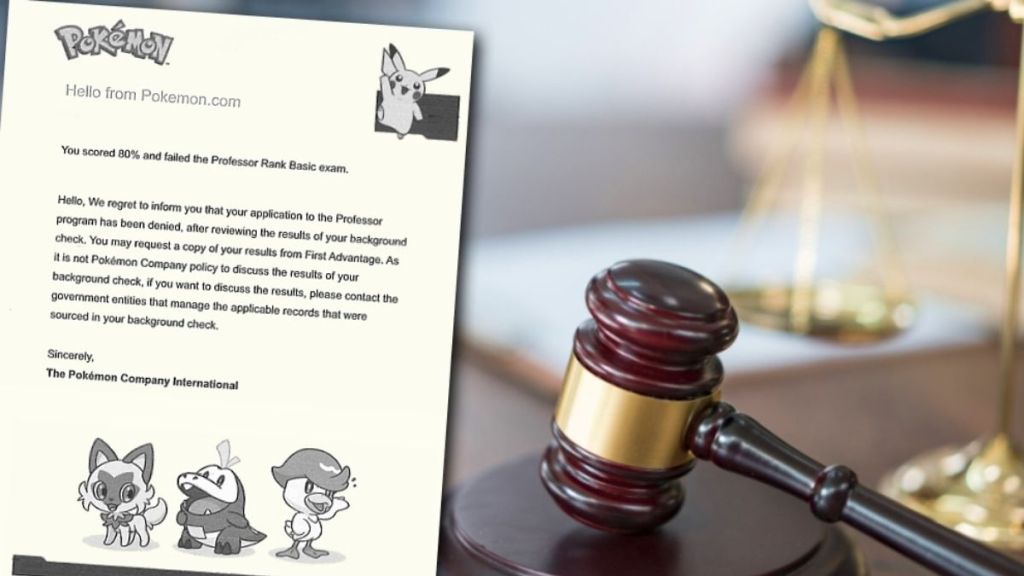
I watched the timeline in the filing: on March 12, 2024, Kyle Owens was told he scored 100% on the Pokemon Professor exam. The passing score was a shining badge. Then a background check kicked in and the background check became a brick wall.
Owens, 34, of Laurens, Iowa, has filed suit against Nintendo of America and The Pokemon Company International, claiming the companies denied him certification after initially indicating he passed. He’s seeking $341,000 (about €316,000) in damages, plus formal professor certification, restored access to Professor tools, and permission to host sanctioned events such as in-person Pokémon GO activities.
Can I become a Pokemon Professor?
You can—if you pass the official exam and clear the program’s vetting. The Pokemon Professor program ties into the Pokémon Trading Card Game and competitive video-game circuits like Pokémon VGC and GO Trainer Battles. Certified Professors gain access to event-management tools, listing in Pokémon’s event locator, and the ability to run sanctioned tournaments.
But the program also runs background checks and an approval process that can remove you from the roster even after you pass the test. Your experience will involve official training materials, the exam itself, and compliance with policies set by The Pokemon Company and Nintendo.
At the moment the score changed, confusion took over
The complaint says that on May 6, 2024, The Pokemon Company International informed Owens his application was denied and revised his exam score from 100% to 80%. The court filing says explanations shifted: an old low-level felony from more than a decade prior was cited first, then misdemeanors tied to a 2022 arrest warrant were presented as the reason—charges that the documents claim did not result in guilty findings.
That chain of messages—pass, then denial, then score change—forms the core of Owens’s grievance. He alleges the companies violated federal antitrust law under the Sherman Act by using allegedly opaque, inconsistent standards to control access to the Professor program and related event tools.
Why was my Pokemon Professor application denied?
There are typical causes: criminal-history policies, interstate warrants, or issues the background check flagged. In Owens’s case the filing points to an active arrest warrant from another state tied to disorderly conduct, alleged possession or repair of an offensive weapon, and criminal mischief, alongside earlier charges from over a decade ago. The companies, according to the suit, provided shifting explanations—an uncertainty that raises legal and reputational questions.
If you’re applying, expect a background-screening step. If anything surfaces, the program administrators have discretion; if that discretion is exercised inconsistently, applicants may push back through consumer complaints or, as here, litigation.
At the courthouse, a complaint rewrites a volunteer program as an antitrust question
The filing frames the denial as not merely administrative but as part of a larger market control: the suit alleges Nintendo and The Pokemon Company have monopolistic power over certification and event-hosting tools within the Pokémon competitive ecosystem. Owens argues that denying him access removed his ability to earn income from sanctioned events and deprived the community of a local organizer.
He’s asking for monetary damages, restored certification, and the right to host events. Nintendo and The Pokemon Company have not yet publicly responded, and the story was first reported by IOWA Capital Dispatch.
Can you sue Nintendo over certification decisions?
Short answer: you can file suit, but winning is a different matter. Antitrust claims under the Sherman Act require proving restraint of trade and market power. Plaintiffs must show the defendant’s conduct unreasonably restricted competition or excluded rivals. Cases against large platforms—Nintendo, The Pokemon Company—turn on the market definition, evidence of exclusionary conduct, and direct harm to competition.
For most applicants, administrative appeal or dialogue with program staff is the first route. For someone alleging shifting standards and lost earning opportunities, litigation becomes a lever—especially when community trust and event access are at stake.
I’ve watched similar disputes where volunteer programs intersect with corporate control: small organizers lose access to scheduling tools, payments, or promotion, and suddenly a hobby becomes a legal battleground. The Pokemon competitive scene—VGC, Pokémon TCG events, and Pokémon GO community days—relies on certified organizers to keep tournaments functioning. If companies apply policies inconsistently, the ripple effects run into venues, local economies, and player trust.
So what happens next? The court will parse whether the denial was lawful exercise of a program’s standards or an anticompetitive act. Either way, this suit forces conversation about transparency, the weight of background checks, and who gets to manage grassroots gaming scenes—questions that matter to every local organizer and player who depends on sanctioned events to gather and compete. Are you prepared to challenge who controls your community’s gates?