
I watched the Steam review counter flip from “Mostly Positive” to a stampede of negatives in under an hour. Discord channels and subreddits filled with players who’d invested years in Destiny 2. Bungie’s memo that it would stop supporting Destiny 2 landed the community in a jittery silence.
I’m going to walk you through what happened, why people are dumping on Marathon, and what the signals mean for Bungie — and you should read with a little skepticism. You know the drill: companies pivot, communities punish; I’ll point out which of those reactions are reactionary and which are meaningful.
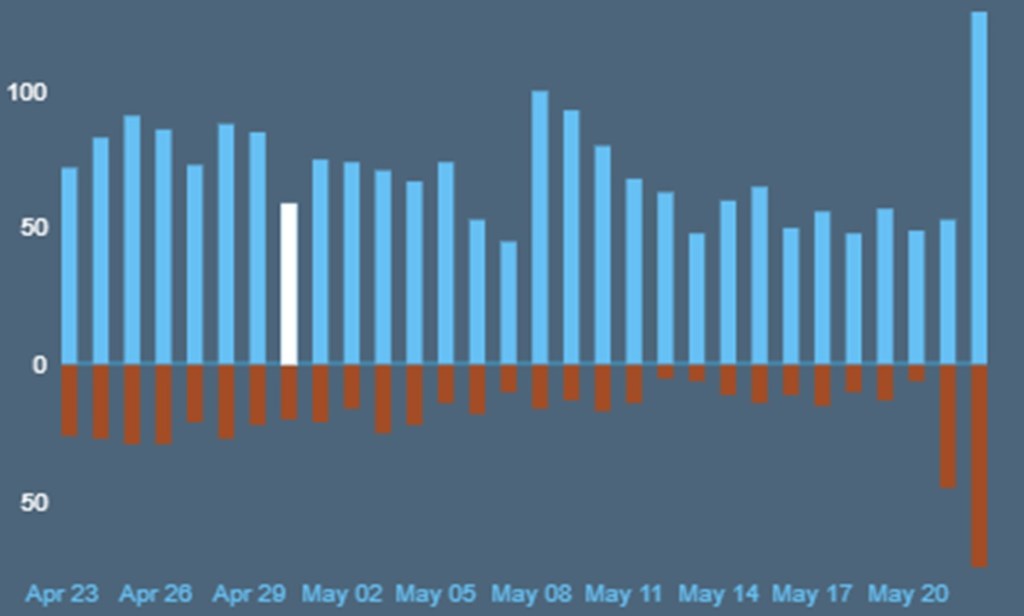
At my desk I watched a Steam review graph spike — Destiny 2 players dunk on Marathon after the support shutdown
Players who built friendships and raid teams in Destiny 2 woke up to a corporate decision that changed everything. Bungie said it would end Destiny 2 development and push more resources toward Marathon, a new IP that struggled at launch and missed sales targets — a choice that felt like a betrayal to the fans who fueled Destiny’s long tail.
So they did what modern communities do when they want to be heard: they review-bombed Marathon on Steam. Negative reviews that lambaste Bungie’s priorities began appearing by the thousands. Some headlines and the Steam review graph (see below) show an unmistakable spike right after Bungie’s announcement.
Killing d2 and not spending time on d3 for this game was the worst investment since ENRON.
This game should have never existed. Destiny 2 sacrificed so that this game could die along with it.
This game is the definition of mid. At least Destiny 2 had substance to it. This game doesn’t.
Why are Destiny 2 players review-bombing Marathon?
Short answer: resentment. You and I both know community goodwill isn’t an infinite resource. Players feel their years of engagement were devalued while Bungie pushed a new title that underperformed. Steam is the easiest lever to pull — it’s visible, viral, and hurts perception.
This is also about narrative control. When communities lose trust, they use review scores and social platforms — Reddit, Twitter/X, Discord — to create a counter-narrative. Bloomberg’s reporting on layoffs added fuel to the fire: fans read the Marathon focus as a cost-cutting maneuver meant to protect shareholders and pivot away from a profitable live service.
On Reddit I scrolled through rumor threads — layoff whispers and the wider fallout for Bungie
Rumors of layoffs surfaced fast, and Bloomberg published reporting that matched what people were already saying in comment sections: ending Destiny 2 support cleared the way for workforce reductions. If true, that explains the urgency of the decision, and why fans interpreted the move as cold business calculus rather than creative strategy.
Bungie is tied to big names — Sony via past publishing deals and platforms like Steam and Xbox — so every ripple is watched by investors and partners. The optics matter: a lukewarm Marathon release, followed by an apparent rollback of Destiny 2, reads to players like the company choosing to cut rather than rebuild.
The community reaction is not just about a single game failing. It’s about trust eroding. That’s why the feedback loop got so loud so quickly.
Will Bungie lay off staff after ending Destiny 2 support?
Bloomberg reported plans and industry chatter tracked with layoffs being probable. Companies often consolidate teams after a major product underperforms. From a human perspective that’s grim; from a business perspective it’s a predictable cost control step. Whatever the motive, players saw layoffs as proof their favorite game was being sacrificed for damage control.
If you follow Bungie on Twitter/X or check studio updates, you’ll notice statements that lean toward damage limitation and morale management — standard PR responses after a turbulent release cycle.
What does Marathon’s poor reception mean for Bungie’s future?
Marathon’s commercial performance narrows options. A flopped new IP can reduce bargaining power with platform partners like Sony and Valve, and it can suck attention and budget away from proven live services like Destiny 2. Investors watch metrics and player retention, not promises.
I want to be clear: angry reviews don’t necessarily predict long-term collapse. Communities can rebound, studios can rehire, and patches can change narratives. But right now the company’s decisions and community anger have become a self-reinforcing loop.
Two quick metaphors to keep you grounded: the announcement acted like a lit fuse under long-standing goodwill, and the corporate pivot looked for many players like a house of cards — one bad launch away from collapse.
If you follow Steam charts, Reddit threads, or Bloomberg scoops, you’ll see the same pattern: a high-profile decision, a visible community backlash, and a media cycle that amplifies both. You can use tools like SteamDB to track review trends and TweetDeck to monitor developer and community responses in real time.
I’ve watched communities punish companies before, and sometimes that pressure brings change; other times it merely records protest. You can choose to be part of the chorus, or you can watch how Bungie answers the questions players are asking — about refunds, compensation streams, and whether Destiny 3 will ever arrive.
So what do you think: is the review-bombing a justified act of protest, or just a noisy reaction that will fade as new headlines take over?