
I was reading Steam reviews at midnight when the thread snapped: a flood of one-line condemnations, a handful of passionate defenses, and a single, unmistakable tone of loss. You could feel a nine-year story folding in the comments. I remember thinking — this is not just about a game ending.
I’ve covered player wars before, but you and I should pay attention to this one. It’s messy, human, and telling about how studios, communities, and rival titles collide when a major franchise closes its active chapter.
On Steam I watched angry posts pile up — what actually happened?
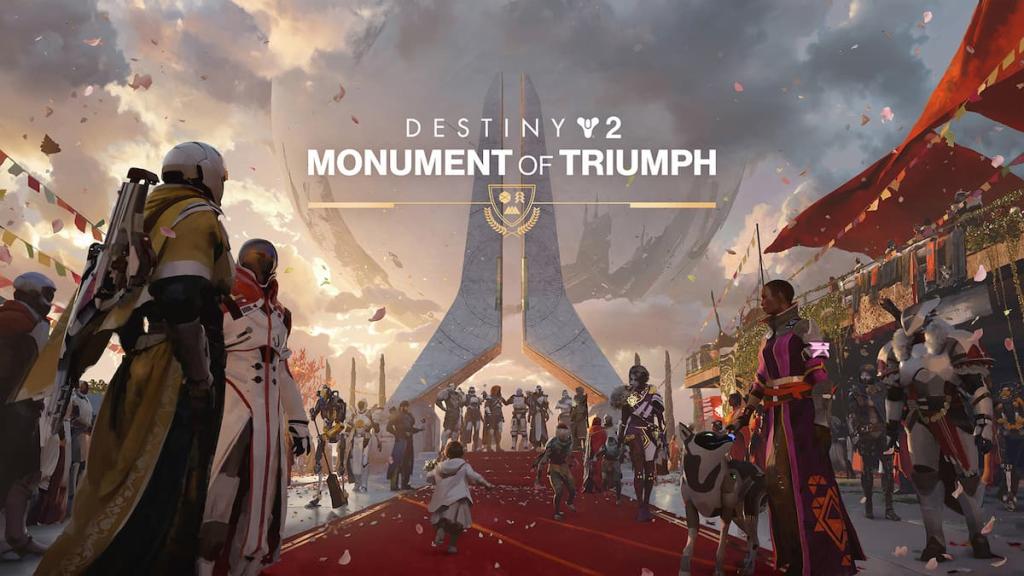
Players learned this June would be Destiny 2’s final active update, Moment of Triumph. The announcement landed like a closing curtain on a long-running show, and many people reacted where they always do: on social platforms that feel loud and immediate.
Instead of directing grief at Bungie’s channels or posting threads on Reddit and X, some PC players took their frustration to the Steam page for Marathon. The result looked like a targeted campaign: hundreds of negative reviews appearing in a short window, many of them short, loaded, and posted by accounts with minimal playtime.
Why are players review-bombing Marathon on Steam?
Because grief looks for a target and fans need a narrative. Smoldering anger at Destiny 2’s end met a new game in a nearby genre, and suddenly Marathon became a scapegoat. Critics argue the titles are different in design and intent—PvP-driven extraction versus loot-and-raid shooter—but scapegoating doesn’t care about nuance.
In community channels the pushback was immediate — who answered back?
On Discord servers and X, Marathon’s community rallied. Positive reviews started appearing alongside callouts defending the gameplay and pointing to longer playtimes.
That defensive counterattack included references to gameplay comparisons—some users praised Marathon as feeling closer to Destiny 1 PvP—and others didn’t hesitate to jab at what Destiny 2 became over the years. Streamers on Twitch and clips on YouTube accelerated both sides: a few clips went viral, and the emotion spread.
Did Marathon cause Destiny 2’s end?
Short answer: no. Corporate decisions at Bungie about ending active development were driven by business strategy, resources, and long-term plans, not a rival’s Steam rating. But the perception matters—players are telling themselves a neat story about cause and effect instead of facing a messy corporate calculus.
At the center of the outrage lay something older — why it hurts so much
In comment sections I saw people mourning a game that shaped weekends, guilds, and friendships. They blamed a new title because blame is easier than processing loss.
Anger here is a cocktail of nostalgia, perceived betrayal, and fear of missing out on future moments with friends in a shared virtual space. When communities feel ownership over a franchise, the announcement of an end feels personal. The review pages turned into a street brawl, and both sides brought their history to the fight.
You should know how this looks to a developer or a community manager: it’s not only PR noise. Review-bombing and counter-reviewing change metrics on Steam, affect visibility in storefront algorithms, and can influence smaller studios’ launch windows. Platforms like Steam, Discord, X, Reddit, Twitch, and YouTube become the battlegrounds where narratives are forged.
At the practical level — what to watch next
Watch three things: how Bungie frames future messages about legacy support, whether Steam flags review anomalies, and which creators choose to amplify either side. If you follow community sentiment, pay attention to hours-played data on Steam reviews and to moderation moves on major subreddits.
I’ve been tracking player pushback and platform moderation for years; you and I both know patterns by now. This is a moment to observe how fandoms police one another and how companies react when a community fractures.
So what should you do if you care about either title? If you play Destiny 2, celebrate the last update and preserve memories with friends. If you play Marathon, keep talking about the game’s design and let playtime speak louder than heat-of-the-moment posts. Platforms will punish review manipulation if it looks coordinated; thoughtful reviews still matter.
Who wins when communities turn store pages into battlegrounds: the games, the creators, or the loudest voices — and can any of them really claim victory here?