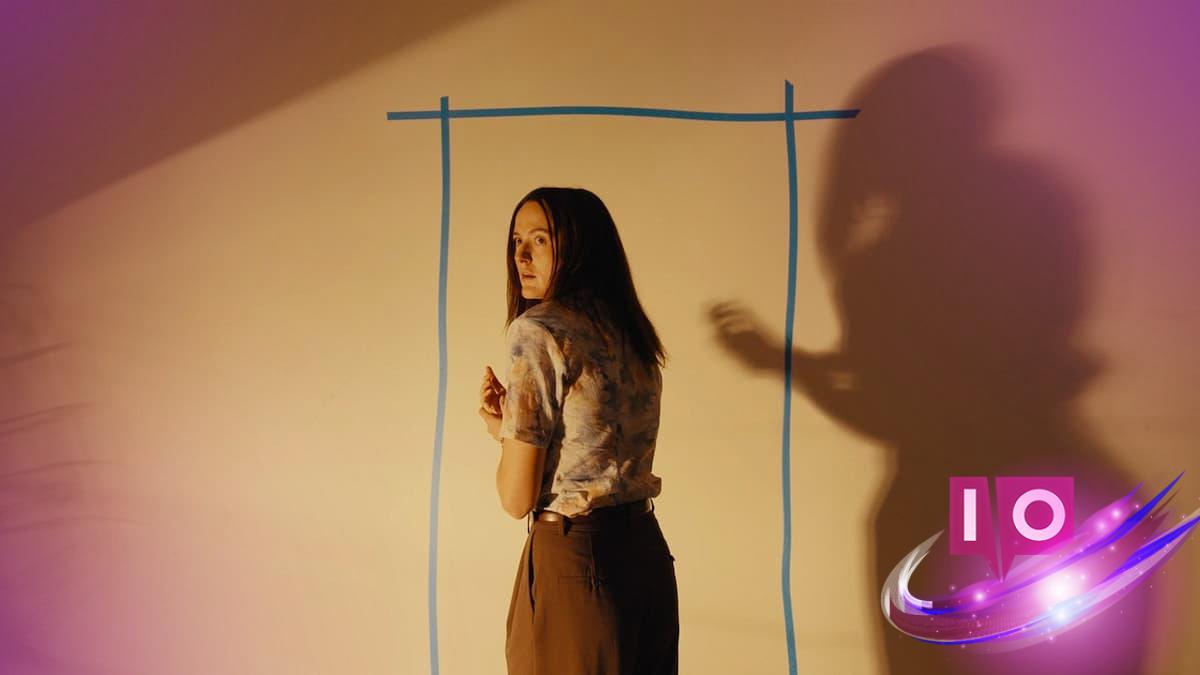
I watched a kid leave a screening, phone already out, filming a five-second condemnation he knew would trend. You can feel the heat of that single clip ripple across X and TikTok. It told me the argument about this movie isn’t only about taste—it’s about ownership.
At the concession stand: Fans expected the game’s set pieces and complained when the film did something else
I get it—you spent hours inside Backrooms maps on Roblox and Steam; you learned level names, memorized spawn loops, and traded clips of jump scares like currency. What you didn’t see coming was a movie that traces its lineage back to a 4chan greentext, not a particular fan-made level pack. So when Kane Pearson, 20, delivered a strange, surreal feature, a chunk of that audience read it as betrayal.
People mad that the Backrooms movie didn’t have a bunch of levels and entities and random TikTok songs in every scene is killing me
— (@berry_gatherer) May 29, 2026
On X and TikTok: The outrage often reads like fandom entitlement, not critique
You don’t need a degree to see the pattern: a viral clip, a tranche of zero-star reviews, and a chorus insisting the movie is “zero out of 10” because it omitted Roblox levels or Steam monsters. I watched replies that treated the film as if it had a contractual obligation to include every fan-made entity—particularly creatures lifted from popular horror IPs like Five Nights at Freddy’s. That demand confuses adaptation with inheritance.
Why are gamers furious about the Backrooms movie?
Because many gamers equate the series of games and edits they consumed with a single canonical source. You feel ownership when you’ve spent months inside a map; that ownership becomes anger when the adaptation tells a different story. The film returns to a minimalist, absurd origin: a greentext about noclipping out of reality. It was never designed to catalogue every level or Easter egg from Roblox or Steam.
In comment threads: Surreal storytelling is being mistaken for a lack of plot
I sat through dozens of threads where viewers declared the movie plotless and its setting a “fifth dimension.” You should know the original greentext was surreal by design—an idea spread across fan games and TikTok edits into a sprawling, inconsistent mythology. The film’s choice to preserve that unsettling ambiguity feels like stepping into a carnival mirror: familiar elements stretched and warped into something that unsettles more than it explains.
Does the film adapt the original 4chan greentext?
Yes. It adapts the seed concept—noclipping out of reality—and interprets it through cinematic language. That means fewer explicit levels, fewer named sins from other creators, and more atmosphere. It’s a choice that privileges mood over checklist compliance, and that is exactly what some fans reject.
At the box office: Numbers show the movie connected, even if a loud minority is unhappy
You can’t argue with money: the film has grossed over $118 million USD (€109 million) worldwide. That haul crowned Pearson as the youngest director to top the box office. If you’re asking whether the mass audience embraced it, the ticket receipts say yes. But social platforms skew perception—one viral negative clip can feel more important than a million satisfied, quiet viewers.
Platforms matter here: X amplifies anger with reposts, TikTok turns rants into memes, Roblox and Steam gave fans interactive touchstones they now expect to see honored. I watch this tension play out like a leaky faucet of nostalgia—drip after drip of “this isn’t what I remember” until it becomes a flood.
At the end of the day: This is a debate about adaptation, authorship, and youth culture
I coach creators and you can see the pattern: younger audiences rate in extremes—zeros and tens—because it’s fast, performative, and rewarded by algorithms. That skews review metrics and can intimidate theaters and studios when making decisions about IP. If you care about art that takes risks, you should ask whether a franchise is allowed to evolve without being forced into a fan-made blueprint.
If you were in the theater or read the original greentext, where do you stand: is the backlash a failure of the film, or a failure of fandom to accept difference?