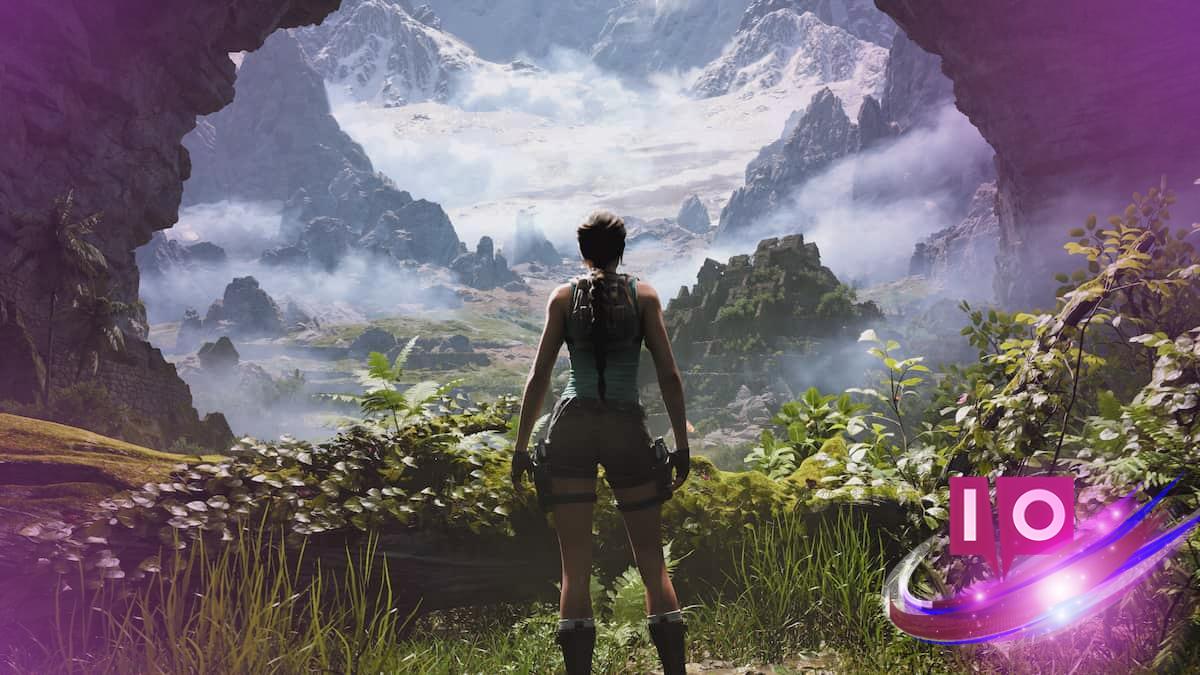
I clicked the Tomb Raider: Legacy of Atlantis Steam page and felt a small, cold knot form in my stomach. The developer’s plain line about AI-readied assets landed like a warning light. You can almost see the debate starting in the comments.
I’m a journalist who watches how games are made and sold, and I want you to have the facts — and a sense for what this admission actually means.
On Steam the disclosure is visible and blunt — and that matters
The Steam storefront now includes a clear note saying AI tools were used during development. The full notice reads:
“AI-assisted tools were used during development to support some early exploration and temporary development content. Any AI-assisted assets were either replaced or refined by humans in order to maintain the creative and artistic vision of the development team.”
Valve requires developers to disclose AI usage, and that policy forces publishers into public honesty when the tech moves beyond trivial automation. You should treat disclosures like a footprint: they tell you where AI touched the work and how far the human team reworked it.
Was Tomb Raider: Legacy of Atlantis made with AI?
Yes — Crystal Dynamics openly says AI assisted early exploration and temporary content, and that some of those AI-assisted assets were refined rather than fully replaced. That leaves open the possibility that visible art in the final game still began as generated material.
On other projects, I’ve seen generated art show up where fans notice it first
Activision’s Call of Duty calling cards and other public-facing pieces have become a primer for what to look for: flat textures, generic lighting, or odd composition choices that don’t match an artist’s touch. AI in games has already left fingerprints in places players can easily spot.
Crystal Dynamics’ leadership has been vocal: reporters at Kotaku and Game File cite comments from the studio and umbrella groups. Embracer exec Phil Rogers has backed AI fellowship programs; Crystal Dynamics executives have called the tech “the most powerful technology or tool of our generation for driving efficiency.”
When a studio treats AI as a productivity engine, I get suspicious about what it replaced. The result can feel like art produced by an efficient machine — like a photocopier spitting out warmed-over sketches.
Will AI-generated art appear in the final game?
Possibly. The Steam note claims assets were either replaced or refined by humans. “Refined” is vague: it can mean heavy human reworking or minimal touch-ups to generated output. Until we can compare developer concept art and final assets, you’re left to judge by eye on release.
At studio briefings and interviews, I’ve heard the language that firms use to justify AI
Executives tend to frame AI as efficiency and amplification of creativity. That’s the line Crystal Dynamics has echoed, and it’s the same talk I’ve heard at other publishers. But artists I trust say the tradeoff is more often predictability and averaging — the creative seed gets watered down.
Kotaku highlighted the studio’s stance and the messy politics around it. If you follow industry reporting, this is not an isolated PR moment: it’s part of a pattern where companies claim the tech helps creativity while outsourcing early idea generation to models trained on other artists’ work. The result can wear a glossy mask — like a glossy mask stretched over a face.
I’ve tested how players react when they notice AI fingerprints in art
Players react fast. They call out repeated motifs, odd anatomy, and textures that feel off. When a title’s promotional art looks derivatively generic, communities sniff it out and the conversation turns from excitement to skepticism.
That’s why disclosure matters beyond regulatory box‑checking: it shapes trust. Studios that pivot to AI without a clear art stewardship plan risk angering the people who pay for their games.
How does Steam require disclosure for AI?
Valve’s policy asks devs to state whether AI-assisted tools were used and to explain how. It’s a transparency requirement, not a ban. The policy forces game teams to tell players when AI played a part in visuals or assets so consumers can make informed choices.
So where does that leave you and me? If the phrase “refined by humans” becomes an industry euphemism for minimal edits, the art in AAA games may shift toward efficiency over originality. I’ll watch the screenshots and fan breakdowns closely, and I want you to do the same — compare early concept leaks, look for odd repeats, and ask studios for side‑by‑side proof when they claim human-led finishing.
Crystal Dynamics and Embracer have framed AI as a tool for creativity and speed; Steam and Valve have framed disclosure as accountability. Which framing wins the day will determine whether players accept a future where generated content subtly changes what we expect from big-budget games — or whether a backlash forces clearer limits and higher standards?