
The trailer drops and I rewind it twice. You laugh at the meme, then your stomach tightens. By the time the player model fills the frame, the joke stops being funny.
I cover video game reveals for a living, and I’ve seen hype implode in real time. You probably felt that small, precise panic too — the kind that comes from watching a beloved object get re-glossed until its edges blur. The announcement: an Ocarina of Time remake for Switch 2. The reaction: instant mockery, a thousand “Hire this man” replies, and a dozen viral spoofs across X and YouTube.
At 0:12 the trailer cuts from a hand-stitched Deku Tree tapestry to a photoreal Link — and the room split in two: First impressions matter
That tapestry felt like a handshake with the original game. The subsequent model felt like someone dressed a childhood memory in corporate business casual. Fans were not mad about technical skill; they were reacting to tone. What made the backlash go viral wasn’t a single pixel — it was a mismatch between what Ocarina has always promised (mystery, whimsy) and what the model delivered (slick, generic realism).
2016: Nintendo Hire This Man 2026: Nintendo Hired This Man https://t.co/Uf7DyLp4rx pic.twitter.com/hoKNakKMhy
— Pinguis (@Pinguis54) June 9, 2026
At the first scroll through X, a meme spreads faster than an official statement: The social reflex
You’ve seen this pattern: a playful remix becomes a social demand. Within minutes, accounts that make mock remakes were tweeted at, and the phrase “Hire this man” ballooned into a chorus. The shorthand here matters — fans aren’t just asking for a new style, they’re asking for authenticity. When community creators mimic the exact aesthetic the trailer shows, the joke stops being private and becomes a warning signal for Nintendo.
Why are fans mocking the Ocarina of Time remake?
Because the leaked visuals read like a different genre. The trailer hints at Unreal Engine-style gloss: high fidelity, heavy post-processing, and a tighter focus on photoreal surfaces. Fans mocked it not out of reflexive nostalgia, but out of fear that the remake will trade the original’s tone for the sort of visual trends you see in AAA reboots across studios.
NINTENDO HIRE THIS MAN pic.twitter.com/0offXSlAOF
— Snugboy (@RealSnugboy) June 9, 2026
At the rumor mill, Unreal Engine references and solo fan remakes circulate: Technical choices have cultural consequences
Solo remakes and UE demos on YouTube taught players to expect two things: impressive surface detail and a loss of original playfulness. The community knows Unreal Engine, Blender, and the indie mod scene well — those tools show what a fan can do to an old game. But the key point is this: when a company-scale remake borrows that aesthetic wholesale, it can read as tone-deaf rather than visionary.
The backlash folded into parody quickly. Ryan Stewart and other creators layered voiceovers and skits over mock AAA versions of Nintendo classics, and artists such as Jeremy Kaplowitz published spoof imagery that spread across Moyens I/O and X. Those parodies function as both comedy and a cultural feedback loop: they say, plainly, “This isn’t what we signed up for.”
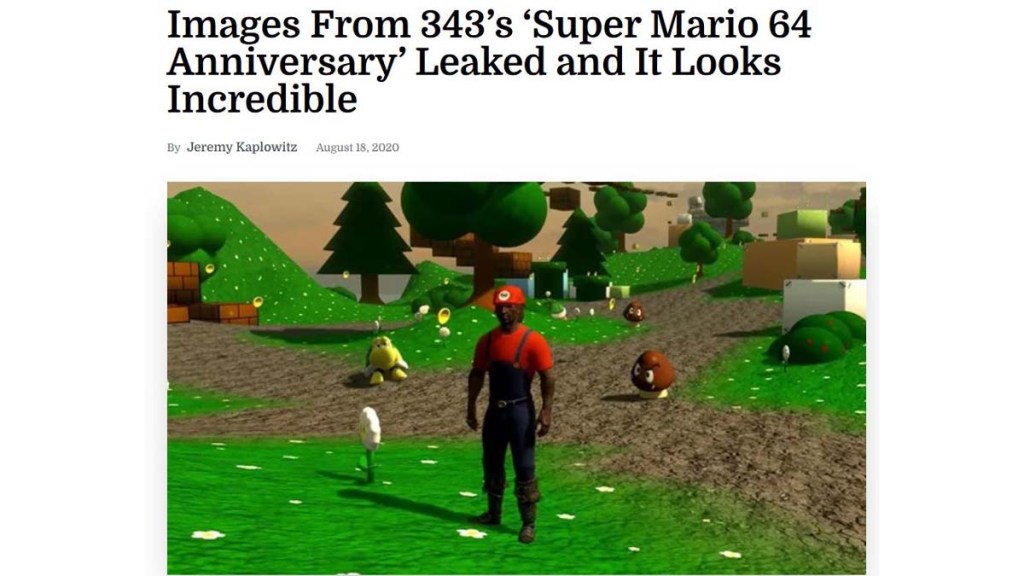
At the press release stage, messaging matters: Why Nintendo’s next move will define public feeling
Nintendo isn’t blind to social signals — the company watches X, Reddit, and YouTube reaction clips the same way we do. They also have a history of pivoting: think of how Wind Waker was mocked, then celebrated. That said, public sentiment now includes parody and professional critique from outlets such as Moyens I/O and larger channels that can shape perception ahead of launch.
Will Nintendo change Link’s design?
Possibly. Companies often iterate after reaction. But any tweak has a cost: reworking art direction late in production can delay release and increase budgets. For players, the question is whether Nintendo sees the backlash as a call to refine tone or a shrug-and-release situation. If they act, expect polished revisions; if they don’t, the internet will keep making the conversation for them.
I’ve watched fandom protect franchises and punish missteps. The Ocarina remake sits like a museum diorama with the personality sucked out, and that gap between memory and new reality is what’s fueling jokes, threadstorms, and calls for course correction. You can feel hopeful — Nintendo learned from past gambles — or you can brace for a launch day conversation about authenticity versus contemporary sheen.
So what now? Watch how Nintendo responds on X, check hands-on previews from outlets you trust, and notice whether the company doubles down on polished realism or re-embraces the original’s soul. Which would you prefer them to do?