
I was halfway through my coffee when the Summer Game Fest trailer hit—an audible hush, then a name that tightened the room: Hirabayashi. You could see it on faces; people were already rewriting expectations. I felt the same sharp, sensible hope you do when trusted hands return to a franchise.
In a crowded press tent, a single name made people stop and take notes.
I want you to understand why that matters. Yoshiaki Hirabayashi isn’t a random credit—he helped steer the Resident Evil 2 and Resident Evil 4 remakes, and he’s listed as a lead on Resident Evil Veronica. That’s paired with directors Kazunori Kadoi and Yasuhiro Ampo, the duo who tag‑teamed those remakes.
When three names carry the pedigree of two of the franchise’s most praised rebirths, you don’t treat the reveal as window dressing. Eurogamer reported the sit‑down quotes from Summer Game Fest, and Capcom confirmed the third‑person approach—no first‑person shift like RE7, Village, or Requiem.
Who is developing the Resident Evil Veronica remake?
Capcom is leading the project with Hirabayashi as one of the leads and Kadoi and Ampo directing. Those are the same figures who reshaped RE2 and RE4, which is the most honest single reason to be excited.
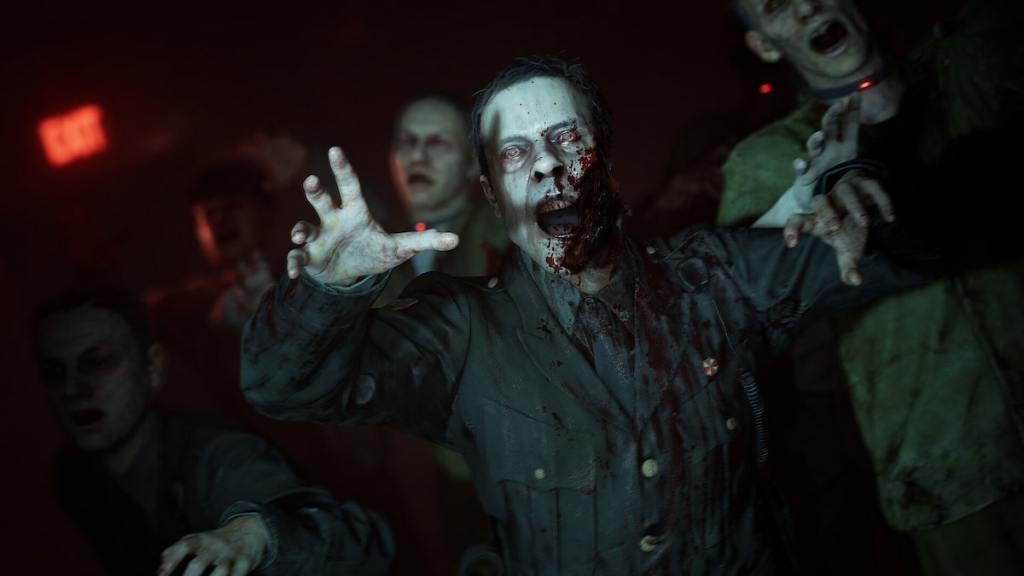
On a midnight forum thread, fans started listing what needed fixing from the 2000 original.
You and I both remember the rough edges in Code Veronica: pacing that drags, characters like Steve Burnside who deserve rework, and the Ashford twins who could be sharper. The remake team has precedent—remember how they elevated Annette Birkin in RE2 or retooled Jack Krauser in RE4—so I expect similar surgical edits here.
The playstyle direction is telling: Hirabayashi said Veronica will feel more like RE2 than RE4. That suggests a return to tension, careful resource choices, and environmental storytelling over non‑stop action. The camera stays third‑person, which anchors a specific rhythm of threat and surprise.
Will Resident Evil Veronica be third-person or first-person?
Confirmed: it’s third‑person. The team explicitly ruled out a first‑person design for this entry, keeping the viewpoint consistent with the team’s previous remakes.
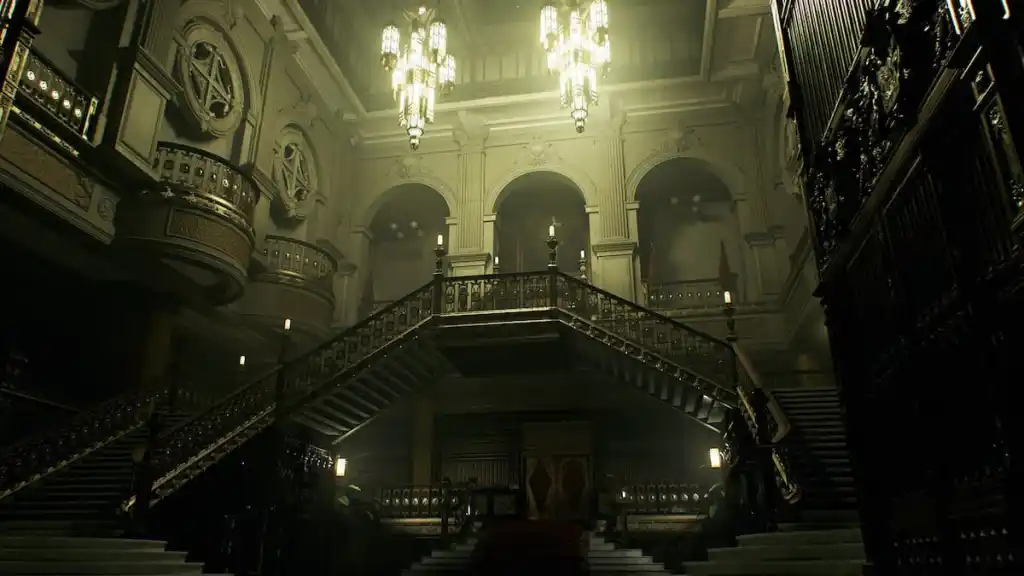
At the café, someone measured their excitement in playtime and character scenes.
Here’s the practical read: this is Claire Redfield’s story at its core, with Chris, Wesker, and the Ashfords playing large supporting roles. That gives the narrative room to be tighter and scarier than the original, while the team’s track record suggests they’ll finesse pacing and character beats the way they did before.
The right team can bend a classic like a cracked mirror and let new reflections appear. If they apply the same editing instincts, expect sharper encounters, optional action setpieces, and rewritten character moments that feel earned rather than tacked on.
Will Veronica play more like RE2 or RE4?
Hirabayashi said it will trend toward RE2—less run‑and‑gun, more claustrophobic survival horror. That statement alone shifts how we mentally prepare: inventory, chokepoints, and the dread of a wrong turn.
Capcom, the remake directors, and outlets like Eurogamer and the Summer Game Fest stage all matter here; they’re the industry levers that turn speculation into near‑certainty. The team behind two of the franchise’s modern high points has the tools, the audience, and the license to try for another classic, and that combination rarely wastes its chance.
I’m marking this down as one of my most anticipated releases into 2027, and I’ll be watching trailers, interviews, and Capcom’s announcements like a sculptor chipping away at marble to reveal the form beneath. What do you think—can this team deliver another instant classic?