The crowd erupts. A goal, a celebration, then a flash of a logo across the virtual jumbotron—your favorite team, now a stage for brands. You sit up, recognize the campaign, and realize the match no longer ends when you put the controller down.

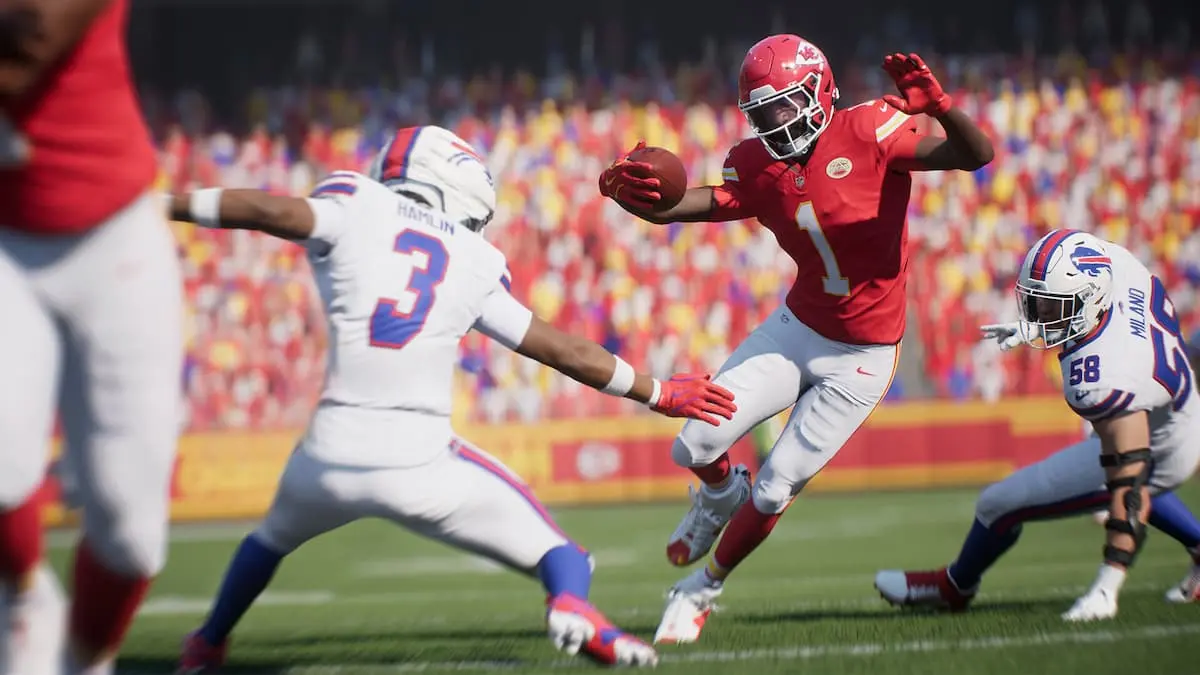
EA just announced EA Advertising, a program that places brands directly into gameplay across franchises like Madden NFL, EA Sports FC, EA Sports College Football, and EA Sports NHL. The company frames it as an opportunity for brands to reach massive audiences in ways that “add value and respect the player experience.” I read the press release—you’ll hear that phrasing a lot—but the practical result is straightforward: more real-world ads inside virtual matches.
The stadium smelled like hot dogs — What EA is selling, and why it matters
EA is packaging stadium signage, custom content, and dynamic placements into an advertising platform. The pitch is built on scale: millions of players, daily live experiences, and data to optimize campaigns. For brands, that’s an attractive proposition; for players, it raises a simple question—are games becoming advertising channels first and escapes second?
EA named partners such as Mountain Dew, Visa, Lowe’s, Red Bull, Xfinity, and Peacock. Mountain Dew’s “DEW University” in EA Sports College Football 26 is the blueprint—branded destinations inside the game that feel like features. If a brand pays $5 million (€4.6M) for a multi-week push, developers will be expected to host it across matches, streams, and events. Ads are billboards on a freeway, and the freeway now goes through the middle of your match.
How will EA Advertising change gameplay?
Short answer: incrementally and noticeably. EA promises real-time, dynamic ad placements that can be updated based on campaign goals and aggregated engagement signals. That can mean a rotating banner during kickoff, a sponsored halftime event, or a branded challenge in Career Mode. Some of these integrations will be subtle; others will be designed to be visible.
From a product perspective this is both a tool and a constraint. It gives marketing teams flexibility—brands can A/B test creative in live environments and measure reach the way they do on social platforms. It also forces game teams to design around monetized spaces, which changes design priorities whether you like it or not.
The scoreboard lit up with a logo — Player experience versus commercial opportunity
David Tinson, EA’s Chief Experiences Officer, said brands should “show up in ways that add value and respect the player experience.” That sounds reassuring. But the real test is where money pushes design.
If advertising revenue is intended to pay for development or support free features, that can be a net positive. But if those ad dollars are primarily for shareholders, players will feel it—extra loading of branded events, micro-features that exist to sell inventory, and atmosphere tailored to impressions rather than immersion. The game world becomes a second skin; you notice it when it doesn’t fit.
Will in-game ads be more intrusive than TV ads?
They can be. Unlike TV, games are interactive. Ads here can respond to player behavior, show different creative to different players, and persist across sessions. That interactivity is valuable to brands—and potentially annoying to players. EA’s claim that placements are “designed to enhance, not disrupt” is a promise you should judge by experience, not phrasing.
The vendor handed out free samples after the match — What industry players will do next
Agencies, brand teams, and measurement platforms are circling. Expect partnerships between EA Advertising and ad-tech firms, streaming services, and analytics vendors—names like Google Ads, The Trade Desk, Nielsen, or even Twitch integrations could easily get pulled into this ecosystem. That creates a familiar loop: precise targeting, real-time creative swaps, and performance metrics that justify spend.
Developers will be asked for placement inventories; publishers will model revenue impacts; advertisers will ask for viewability and engagement metrics. If you care about the future of sports games, tracking how those conversations tilt product decisions matters more than press-release language.
You can accept this as realism finally matching expectations, or you can resent that an hour of play carries the same commercial density as a broadcast. Either way, EA is placing a bet: ad dollars will make their games more commercially resilient, but they will also change the texture of play. Will that trade-off be worth it to players and creators, or will we end up paying in attention while pretending nothing has changed?