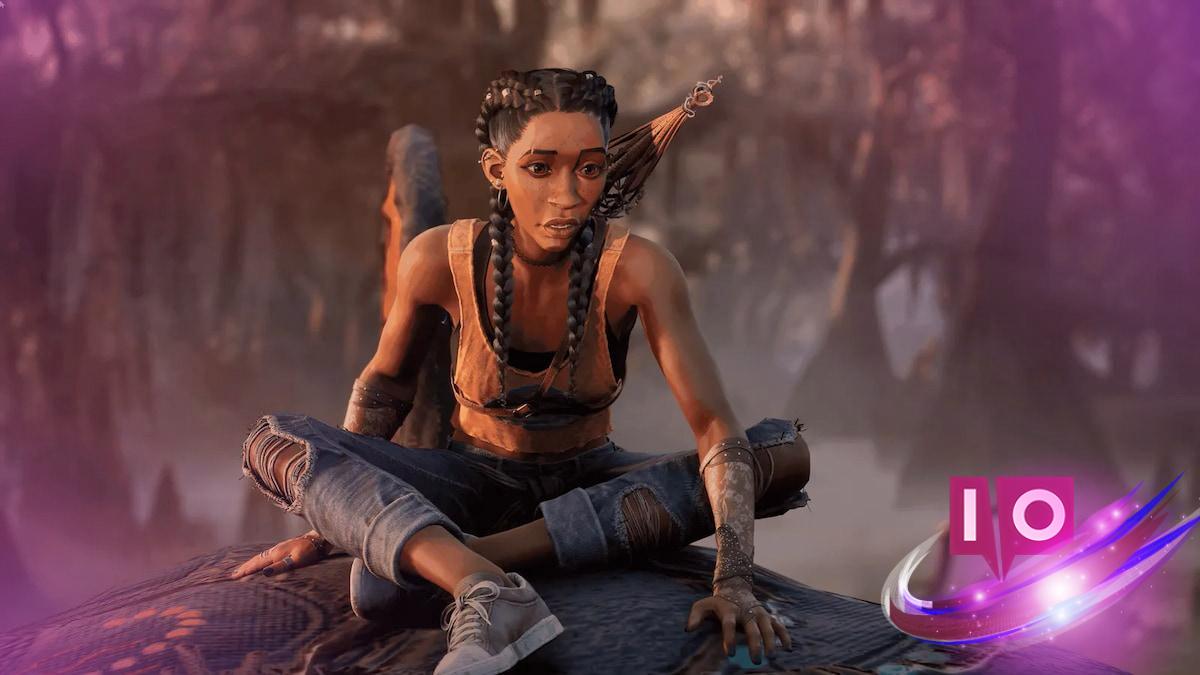
You open the trailer and Hazel blinks. Then you read the leak: Compulsion Games, the studio behind South of Midnight, may be shutting its doors. I felt that same hollow pull — you will too — when a games studio you care about turns into a line in a memo.
I’ve followed Xbox studios for years, and I’ll walk you through what this means, who’s likely to be affected, and what the new CEO’s “reset” really looks like in practice. Read this as an eyewitness report with context — and a warning for anyone invested in Game Pass-era promises.
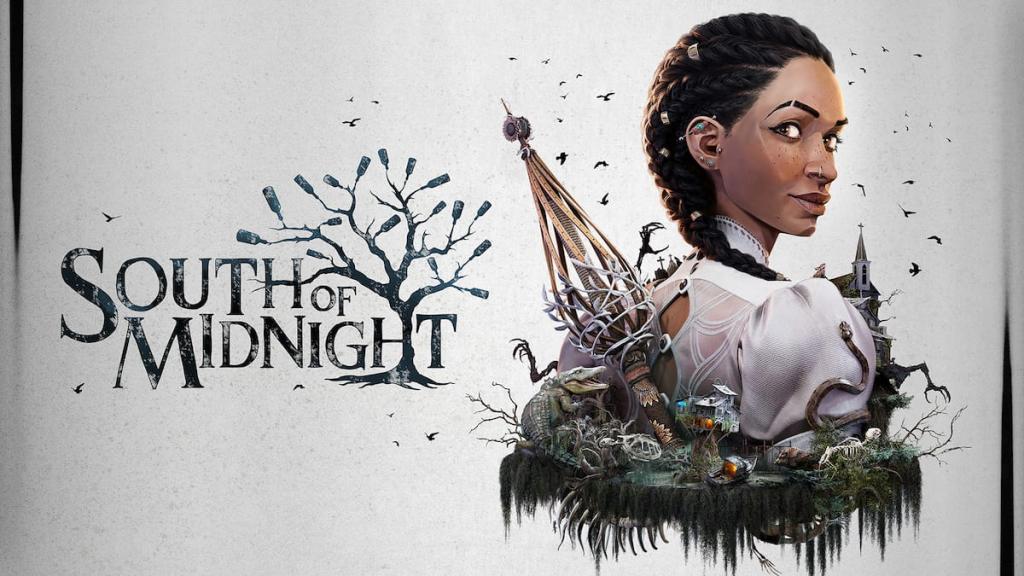
The memo landed in inboxes last week, blunt and short.
Xbox CEO Asha Sharma wrote about an “XBOX Reset” and warned of “surprising and even frustrating” changes over the next 100 days. That message, paired with reporting by Jason Schreier at Bloomberg and a separate Kotaku piece, produced the kind of corporate drumbeat fans dread: layoffs, studio closures, and hard choices.
Sharma’s math is stark: Microsoft spent $20 billion on ongoing investments in content, platform, and hardware subsidy over five years — roughly €18 billion. She also said Xbox will end the fiscal year with about a three percent accountability margin. That squeeze explains why decisions that once seemed unlikely are now on the table.
Compulsion’s awards did not buy it immunity.
Critics loved South of Midnight — Game Awards’ Games for Impact, a D.I.C.E. award for animation, even Peabody buzz — but acclaim does not always equal sales. I’ve seen this pattern before: praise can be a lighthouse for attention but not a bank for payroll.
Insiders told Kotaku the studio’s size and the exact layoff numbers are still being determined. That suggests Microsoft is calculating which teams can be folded into other studios, and which will be shuttered outright. The question now is whether IP, assets, and developer talent will be absorbed or scattered.
Why is Compulsion Games shutting down?
Short answer: financial pressure and corporate priorities. Microsoft’s broader revenue decline — Sharma noted an annual revenue decrease of nearly $500 million (about €460 million) over five years excluding Activision Blizzard King — has pushed the company toward aggressive cost management. When a studio’s sales don’t match critical momentum, it becomes a candidate for cuts.
The “reset” reads like a corporate course correction in public.
When you see a CEO use the word reset, it’s a signal that precedents are being rewritten. Sharma has already moved on price strategy for Game Pass and prioritized console exclusives such as Gears of War: E-Day and Clockwork Revolution.
Those moves are intended to shore up subscriber metrics and platform value. But they also mean Microsoft must prioritize predictable franchises and high-return investments over smaller creative bets. Think of it as pruning a garden: some blooms are kept, others are cut so the stronger plants survive — and sometimes the hand misses what mattered to the community.
Will South of Midnight be supported after a potential studio closure?
It depends. Microsoft has options: maintain live service teams, hand support to another internal studio, sell the IP, or sunset the product. Past Microsoft actions offer mixed signals — some acquired studios were integrated and continued work, others had projects cancelled. For players, that ambiguity translates into uncertainty around patches, DLC, and long-term servers.
Employees will face a fast, messy redistribution of roles.
Inside Microsoft, there are teams that hire from within and teams that don’t. When closures happen, some developers are rehired into other Xbox studios; others take severance and move to indie houses, publishers like EA or Ubisoft, or platforms like Steam and Epic Games Store. I talk to devs often enough to know the personal toll: careers rerouted overnight, families recalibrating plans.
Legal and HR processes will matter — severance, non-compete clauses, and IP ownership determine whether talent can immediately ship new work. If you’re tracking studio health, watch LinkedIn and job boards for early signals of mass departures or rehiring patterns.
How many Xbox studios will be affected?
No public number yet. Bloomberg’s reporting signaled “significant layoffs,” and Kotaku named Compulsion specifically. Given Microsoft’s size and the spending Sharma cited, multiple studios could be trimmed, especially smaller teams whose titles underperform. The timeline — a 100-day reset — suggests this wave will move quickly.
The market and the community will judge Microsoft’s tradeoffs.
Investors respond to margins and subscriber growth; players respond to trust. If Microsoft preserves Game Pass momentum and exclusive tentpoles, analysts may applaud the fold. If it sacrifices creative diversity, the brand risk could linger. That tension will play out across press coverage, social media, and earnings calls.
For me, the hard truth is this: when a corporate engine shifts, human stories scatter. I’ve watched teams dissolve like a house of cards, and studios that survive become fortified like a city wall after siege. Which outcome will dominate here?
I’ll keep tracking reporting from Kotaku, Bloomberg, and insiders, and I’ll point you to concrete signals — hiring changes, IP filings, and official Microsoft statements — when they appear. Do you think Microsoft can shave costs without hollowing out the creative pipeline?