
I walked into an electronics store and found an entire PlayStation display half untouched. The clerk kept tapping a price sheet on a tablet while two customers walked away without looking back. I felt the floor shift beneath a market I thought I knew.
The console aisle looked abandoned last weekend.
Sales figures now give that scene a number: PS5 shipments fell 58 percent this May versus May 2025, and Xbox slipped 12 percent, according to VGC. You can feel the momentum in those percentages—what once moved in steady waves is now stalling like tectonic plates shifting under a city.
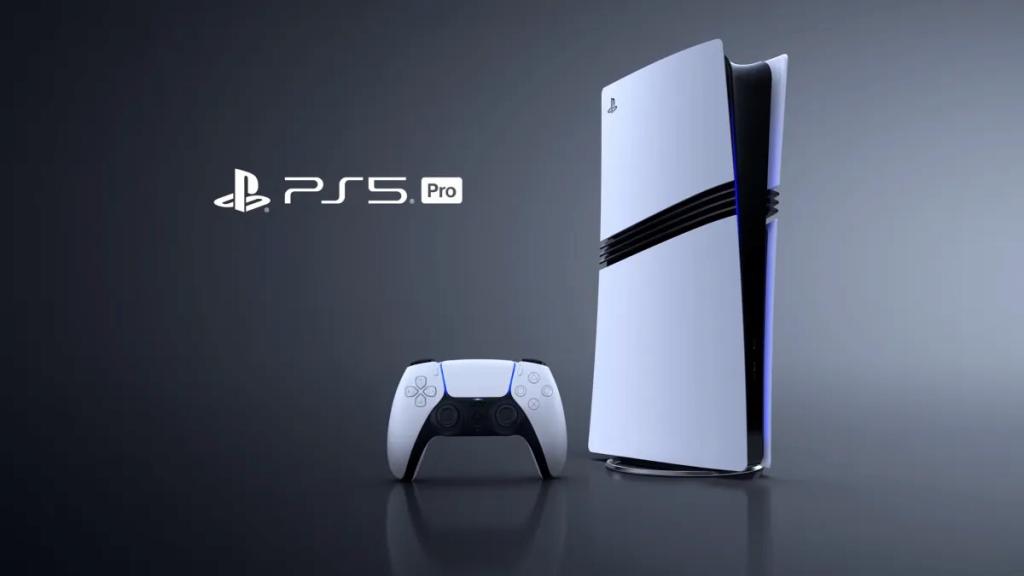
I want you to understand what those numbers mean for owners, buyers, and the companies themselves. When Sony’s hardware totals hit levels not seen since May 2000, it’s not a seasonal blip; it’s a structural change.
Why are PS5 sales falling?
Retail silence has a face: higher ticket prices, constrained component supply, and data centers drinking up memory chips. Sony raised PS5 prices months ago; the immediate effect was a sharp fall in demand. When a console that once felt like a careful holiday purchase now reads closer to a discretionary splurge, people pause.
The price tag on the shelf got heavier this year.
Walk into a store and you’ll see sticker shock in real time. Sony moved first, nudging PlayStation prices up; Microsoft delayed and then announced their hikes today. Some Xbox editions now approach nearly $900 (≈€830), about $150 (≈€140) more than before.
You and I both know price sensitivity isn’t uniform—there are collectors and early adopters—but the middle of the market, where most sales live, reacted immediately. That reaction drives the decline we’re watching.
Will PS5 prices drop?
Short answer: not soon. Most price pressure comes from an industry-level squeeze: AI firms and hyperscalers buying up undiced memory wafers from a tiny set of suppliers—SK hynix, Micron, and Samsung Electronics. That redirected flow makes consumer-grade memory scarcer and pricier.
Sony claimed it had reserves, and it still has PS Plus adjustments in motion, but reserve stocks are not a permanent shield. If memory continues to be rerouted to data centers, hardware makers will keep passing costs to buyers.
Factory floors look busier for data centers than for consoles.
My contacts in supply-chain teams say factories have shifted lines and priorities toward high-density modules for AI workloads. Microsoft tried to resist price creep as long as possible; Valve’s Steam Machine is already north of $1,000 (≈€920) despite modest specs. That’s a market signal: when a product’s price climbs but specs don’t, demand bends.
That dynamic raises another issue: opportunity cost. If memory and wafers are sold to cloud players, consumer hardware loses bargaining power. You can trace the margin pressure from the fabs to the checkout aisle.
Is Xbox in trouble?
Xbox hit its worst May on record, which should be read as a warning light, not a death knell. Microsoft has deep pockets and services—including Game Pass—that cushion hardware swings, but hardware sales fund ecosystem investments. When consoles sell less, leverage shifts toward subscription economics and cloud play.
Microsoft can absorb short-term slippage, but prolonged hardware weakness could force strategy changes around bundling, promotions, or pricing tiers. For consumers, that often means fewer discounts and more reliance on digital subscriptions.
Across the board you’re seeing a redistribution of supply and buying power: memory goes to AI clusters; consoles pay the price. The result is a steady revenue bleed for hardware lines and a reshuffling of where value accrues. Somewhere between server farms and storefronts, the economics are being rewritten.
I follow these signals because they tell you who’s gaining and who’s being squeezed. You can treat the silence in the aisles as a temporary pause—or as the sound of the market clearing a new table. Which side of that table will you be on?
One last observation: when prices rise and demand falls, the market finds a new equilibrium—but it isn’t painless. Companies like Sony and Microsoft must choose where to protect margins and where to push services. Gamers pick whether to wait, upgrade, or move to subscription ecosystems.
This feels like a slow leak in a tire—each price increase, each redirected wafer, lets the market lose more air. Are you prepared to pay the premium, or will you wait for the next shift?