
I refreshed PlayStation’s feed and watched the replies stack up like a running tally of betrayal. For six days the brand said nothing, and that silence turned into a roar the moment it spoke. You could feel goodwill crack in real time.
I want to be blunt: Sony’s recent push to move the platform all-digital didn’t land as a strategic pivot so much as a lightning strike to trust. You and I can argue technical merits, but the social signal is obvious — fans are furious, and that fury is drowning out every legitimate update from partners and developers.
Switch out lever gates with ease on the FlexStrike wireless fight stick: https://t.co/w3qDZd3hyv pic.twitter.com/0YVe3LLlMi
— PlayStation (@PlayStation) July 7, 2026
On July 7 a product clip for the FlexStrike wired up an avalanche of 65,000 replies within hours.
The clip was ordinary marketing for a new PS5 accessory, and yet the replies ignored the tech and targeted the company’s single decision: going discless. I’ve watched communities mobilize before, and this one feels different because it’s not just noise — it’s sustained, pointed, and backed by traders, collectors, and devs who see a real hit coming to their livelihoods.
Why is PlayStation abandoning physical discs?
There are three forces that probably pushed Sony: reduced manufacturing costs, tighter control over distribution, and a bet that streaming and stores will replace retail. But those are executive-level calculations that don’t erase the immediate consequences for partners, retailers, and libraries. A $70 (€65) AAA release that used to flow through GameStop and Amazon will now route through PSN, and that flips who captures margins and who bears responsibility for refunds, trade-ins, and long-term preservation.
Stores and studios are already reacting at the margins while official answers remain scarce.
You can see the ripple: retailers like GameStop face shrinking physical inventory, independent sellers lose resale markets, and studios lose a physical distribution lifeline that once supported niche titles. I’ve talked to people in publishing who say the suddenness matters more than the policy — partners weren’t given a playbook or a phased plan, and that absence of coordination is where reputational damage compounds.
How will this affect third-party developers and retailers?
Third-party teams will confront shifting economics. Physical runs help with discoverability and can subsidize risky projects. Smaller studios rely on retail windows to get shelf space and press coverage. Retailers lose foot traffic that led to impulse buys. For collectors and preservationists, the danger is archival: without discs, older titles can vanish unless someone pays ongoing hosting fees or agrees to preservation standards.
Every PlayStation announcement now gets hijacked by outrage, even when it’s about other games.
I feel for the teams whose releases — Mortal Shell II, Apex Legends, indie launch trailers — are being buried under replies about discs. Partners are forced into a PR crossfire they didn’t start, and the net effect is less attention for creative work and more attention for corporate choices. That hurts everyone who depends on clear marketing cycles.
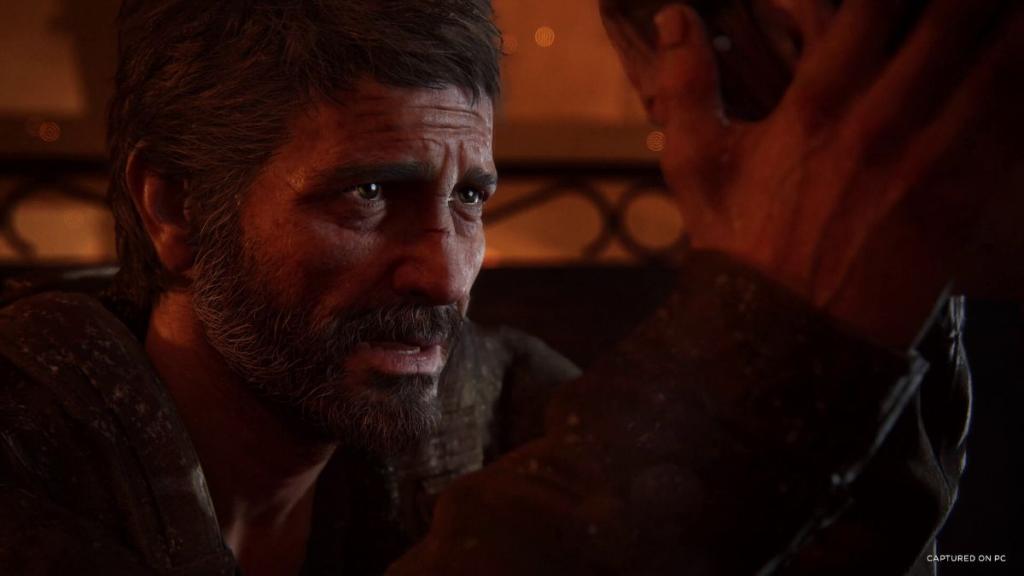
A handful of high-profile closures and delays have already frayed trust at the studio level.
Bluepoint’s shutdown and long waits from big teams like Naughty Dog aren’t isolated events; they’re part of a pattern where investment decisions and strategic bets — such as chasing live-service hits like Fortnite — haven’t always paid off. I don’t accept the idea that every risky bet fails; the problem here is a pattern of choices made at the top with little outward explanation, leaving partners exposed.
Sony’s silence feels less like a strategic pause and more like a blind spot. The company could have mitigated fallout with clear timelines, phased rollouts, or guaranteed disc-era support for legacy titles. Instead, the vacuum invited organized backlash and made every subsequent tweet a referendum on corporate stewardship.
Community anger is granular and sustained — it’s not going away without accountability.
Fans are not just angry about convenience. They’re worried about ownership, resale value, archival access, and the simple pleasure of swapping a disc. You can make a business case for digital-first, but you cannot ignore millions of people who treat physical games as collectibles or as a hedge against server shutdowns.
Can Sony repair the damage and keep partners afloat?
Repair is possible but will require concrete moves: explicit guarantees for legacy disc support, financial terms that don’t strip retailers and third parties of margins overnight, and a public roadmap showing how Sony will protect preservation and secondary markets. Platforms like Steam and Epic have faced similar debates; the difference here is brand trust — PlayStation needs to rebuild it, not hope it returns on its own.
Partners are being left exposed while leadership stays quiet, and that exposes a risk to the whole ecosystem.
I’ve seen this before in tech shifts: one executive decision can change distribution economics overnight. Sony has effectively shifted where value accrues — from stores, indie publishers, and collectors to a single platform-controlled ledger. That centralization may be efficient for Sony, but it concentrates risk for everyone else.
For the studios pushing creative boundaries, for the retailers that once gave shelves to unknown indie titles, and for the players who keep libraries alive, this is more than a policy change. It’s a reallocation of control. My final point is simple and direct: if you care about the long-term health of the medium, watch who benefits and who is left to pick up the pieces.
Sony can stop this from becoming a permanent rupture. Will it admit the mistake and negotiate terms with the partners it just pushed into the cold, or will the platform double down and force a new ecosystem that leaves many behind?