
I dropped into Blood Hunt and two heroes I’d never paired suddenly healed me through a wall. For a minute I panicked—then I realized Season Nine had rewritten Team-Up Abilities, and the entire match felt like a chessboard remade mid-game. If you’ve logged hours in Marvel Rivals, you’ll know that sharp, surprising shift in the bones of the play is rare and loud.
The patch notes stared back like an overflowing inbox this morning.
I read them the way I read anything that will change how I play: slowly, looking for the hooks. Season Nine does one simple but seismic thing—Team-Up Abilities now have a passive base effect plus an Enhanced effect. That means perks apply even when the teammate isn’t on your active squad, and every hero now has two selectable base effects.
Take Storm: her Jaws of Fate pairing gives her a constant, self-healing area from Jeff the Land Shark without needing a Strategist healer in your lineup. If Jeff is on the field, the Enhanced option adds the shark to Storm’s Omega Hurricane for extra damage. That single interaction rewrites how you build around characters.
How do Team-Up Abilities work in Marvel Rivals?
Short answer: they now provide both a passive baseline and an amplified bonus when the partner is present. Long answer: every character has two base options, and you choose which passive you want in the hero gallery before matches. The patch notes are explicit—this isn’t cosmetic. It changes who you bench and who you bring.
The meta looks like a public whiteboard after a brainstorming session.
You can feel the churn already. New base effects range from powerful to plainly broken. Players are experimenting; streamers are testing; Reddit threads are lighting up. Because about 80 percent of the roster received changes to compensate for the new layer, the competitive map will wobble for a while.
That wobble is healthy and messy. Expect hotfixes and balance shuffles over the coming weeks. I wouldn’t be surprised if developers prioritize trimming anything that makes entire hero classes trivial to play—especially dive and mobile heroes that picked up Regenerating Shields as a separate mechanic this season.
What changed in Season Nine?
Season Nine bundled three major moves: passive Team-Up base effects, selectable secondary abilities, and a long list of balance updates. On top of that, the patch introduced Regenerating Shields for some high-mobility characters, letting them regain HP by avoiding damage for a short time. The result is a matchflow that rewards different positioning, timing, and hero pairings than before.
The first real matches felt like learning a new musical arrangement at rehearsal.
If you want to keep winning, you’ll need to re-tune. Open the hero gallery and pick which base effect fits your playstyle before you queue. Try not to assume that your old combos will remain top-tier; some pairings that were niche are suddenly meta-defining. Jeff the Land Shark and Storm is one example—comfort picks can become dominant when given constant utility.
Practically, I recommend three short steps you can take tonight: 1) run quick custom games to verify chosen base effects, 2) watch a 10–15 minute stream focused on Season Nine highlights (content creators on Twitch and clips on X/Reddit will surface the fastest experiments), and 3) test one unfamiliar pairing each session so you learn what the community will abuse first.
The competition between hero shooters is visible at the edge of every patch note.
You can read this update as part of a broader trend. Big annual updates in titles like Overwatch have shifted design thinking across hero shooters: seasonal overhauls that force players to relearn fundamentals. That rivalry—developers watching each other and borrowing ideas—benefits players. It forces faster iteration and sharper balance cycles.
Will these changes be balanced soon?
Short-term: no. Everyone will identify busted combos in the first days, and expect rapid hotfixes. Mid-term: yes—if the dev team follows the telemetry and listens to high-level play. I’ve seen this pattern before: intense initial chaos, then pruning and refinement. If you care about ranked integrity, that pruning matters most.
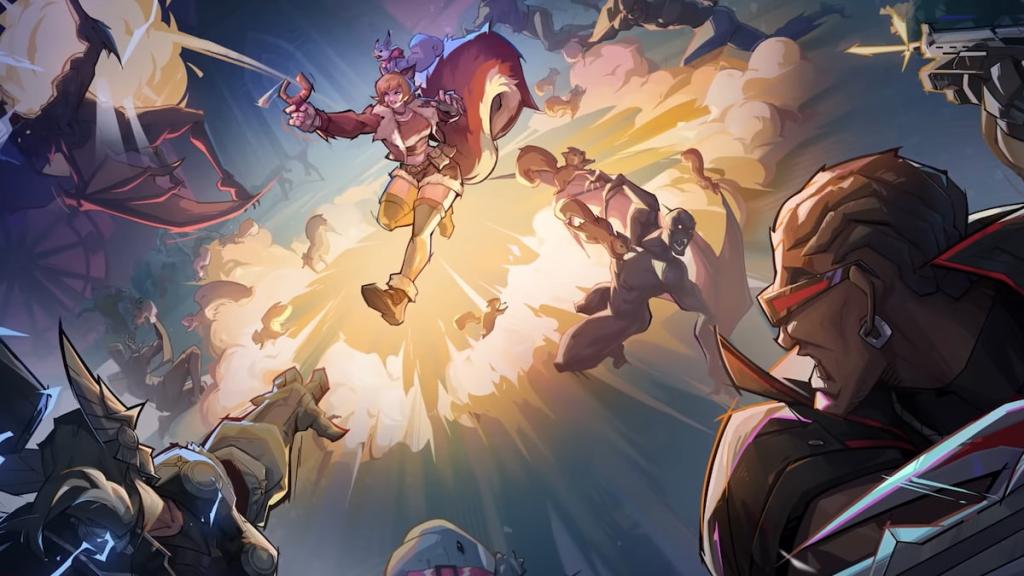
The update feels transformative because it changes decision-making at both the pre-game and in-match levels. You’re no longer choosing only who you’ll play; you’re choosing which passive reality you’ll bring into every fight. That flips pick priority, counterpicks, and how teams coordinate during objective windows.

I’ll be tracking patch note updates, watching telemetry-driven hotfixes, and following conversations on Reddit, Twitter/X, and major streamers over the next 72 hours. If you want to keep climbing, your advantage is early experimentation. Are you going to change how you queue tonight or wait for the hotfixes to do the thinking for you?