
I watched a Sony earnings call and felt the room shrink. You’ve seen the posts, the playlists of rage and the memes. After 30 days of noise, the company finally replied—and their answer barely moved the needle.
I’ve covered console shifts before, and I’ll be blunt: this was a corporate shrug, not a conversation. Lin Tao, Sony’s chief financial officer, spoke through an interpreter, laid out the company’s rationale, and then circled back to investor math. If you were hoping public outrage would bend strategy, you should prepare for disappointment.
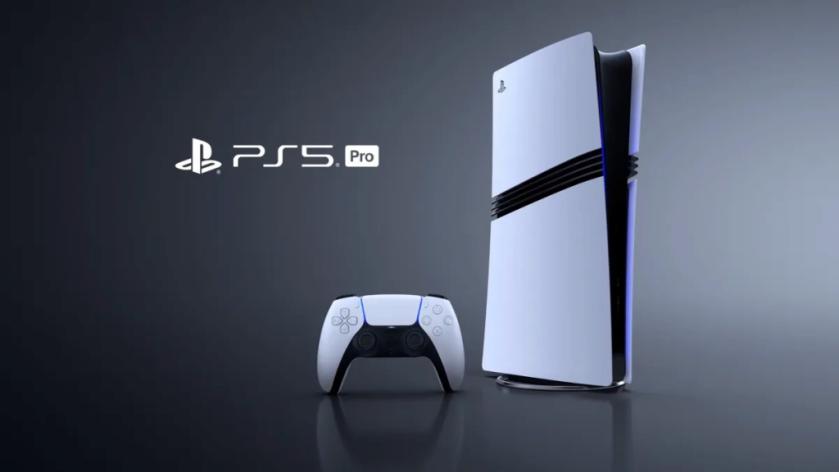
On your feeds, PlayStation posts are a mob; behind closed doors, Sony is running the numbers.
Lin Tao framed the move as a natural march toward digitalization. “Digitalization of content overall has been progressing,” she said, stressing that this is not only a PlayStation choice but an industry-wide trend. Her tone was conciliatory; her message was firm: Sony plans to phase out discs by 2028 and feels comfortable doing so.
Will Sony stop making PS5 discs?
The short answer: yes, that’s the plan. Sony told investors discs will be discontinued in about a year and a half. For players, that means physical copies for new first-party releases will fade—unless a publisher or retail partner finds a business case to fight back.
At a store counter, a clerk rings up a boxed game; online, a transaction completes in seconds.
You and I both know where consumer behavior has moved. Sony’s quarterly numbers show digital games raked in $1.2 billion (€1.1 billion) from April to June 2026, while physical games were a sliver at $128 million (€117 million). That gap is the company’s megaphone to shareholders: the market has already tilted, and investors like the tilt.
For context, platforms such as PlayStation Network and Steam have optimized purchases, cloud saves, and promotions in ways discs never could. Retailers like GameStop and HMV will feel it first. Independent developers and collectors will feel it last—and often most sharply.
Why is Sony removing discs?
Sony’s rationale is plain: efficiency and margin. Lin Tao said a “large part is already digitized,” and therefore Sony doesn’t see a negative business impact from discontinuing discs. The company is selling this as inevitability backed by data—sales trends, cost savings on production and logistics, and a simpler ecosystem for licensing and updates.
Your nostalgia is loud on social threads; Sony labels it “strong views.”
On Twitter and PlayStation channels you’ve seen the flood of anger—calls for boycotts, shocked reactions from collectors, playlists of scratched discs. Tao acknowledged those “strong views” and said Sony will think about player attachments. But that’s a far cry from reversing course.
Can I still buy physical games after 2028?
Short answer: probably for a while, but in shrinking supply. Back-catalog discs, third-party releases, and remasters may still appear—especially from publishers who want to serve collectors. But expect fewer new, first-party boxed releases from Sony; retailers and secondhand markets will become the main outlets.
Think of Sony’s move as a church bell tolling for your disc collection—loud, unavoidable, and signaling a new era. I don’t say that to comfort or to alarm; I say it because numbers and corporate incentives rarely bow to noise alone. If you care about physical media, build a strategy: buy what you love now, back up what you own, and watch how Microsoft, Nintendo, and publishers react. The landscape will change faster than most community petitions can circulate.
Sony’s position reads like a castle behind velvet ropes: visible, immovable, and polished for investors. The company will “cautiously” move forward, they said—caution that reads as confidence when profits align with policy.
I’ve reported on platform shifts before, and you should expect two possible outcomes: meaningful pushback that forces concessions on collector releases, or a steady erosion of physical availability that turns boxed copies into boutique rarities. Which will it be—and what will you do about it?