
I drew Thanos and my thumb hovered over the card like I’d just pulled the trigger. For a second the table felt smaller, the board more fragile. I realized I was playing a new kind of timing game and I didn’t know if my brain was ready.
I’ve been covering Marvel Snap since launch, and I want you to skip the fumbling I did on turn one. This season—Fractured Frontier—splashes into the game as a multiversal Wild West, complete with a gunslinger Thanos and a Super Premium Pass Jane Foster that behaves like a one-turn miracle. Second Dinner isn’t just adding skins; they shipped a new mechanic that asks you to plan the second your draw resolves.
I watched my opponent grin across the table and saw exactly where Quickdraw cuts into the flow
Quickdraw reads simple: the card’s effects trigger the first turn you draw them (or the next turn if they start revealing). But “simple” here is deceiving—it rewrites how you time draws and plays. You can no longer treat draw as a passive rhythm; you must treat it like a trigger you can control.
What is Quickdraw in Marvel Snap?
Quickdraw is a one-turn activation window. If the card is drawn that turn, its On Reveal or draw-triggered effects fire immediately. If the card was already in hand because it revealed earlier, you get the benefit next turn instead. That tiny rule forces you to build decks that either pull Quickdraw cards at the perfect moment or stash reveal engines that line up the next-turn activation.
I spit out my coffee when Thanos loaded and I realized how many variables are stacked on a single play
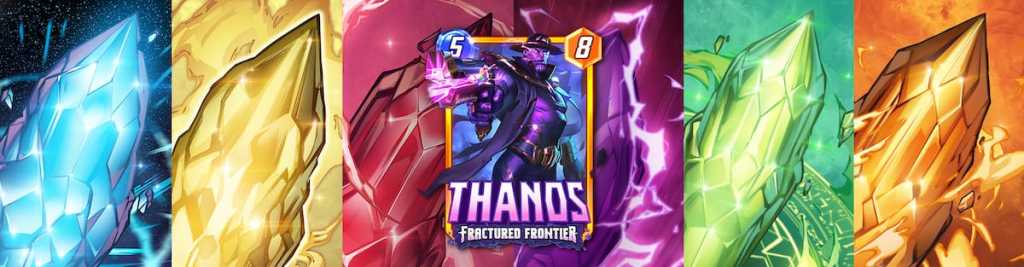
Thanos: Fractured Frontier brings six Infinity Shots, each with unique effects you must track mid-round. They’re not passive buffs; they change how a single play can swing a lane. Thanos becomes a play that reads like a checklist—did I draw him this turn, how many shots are loaded, which shot triggers first?
How do Infinity Shots work?
Each Shot is a small effect stored on Thanos. You can add Shots when certain Quickdraw conditions are met, and when you play Thanos he resolves based on what’s loaded. The results can range from simple power spikes to board manipulation or card advantage.
- SPACE SHOT: +1 Power and Moveable next turn.
- MIND SHOT: Draw 1 card.
- REALITY SHOT: Make a copy of your other lowest Cost card here.
- POWER SHOT: +3 Power.
- TIME SHOT: Reduce the cost of your cards in hand by 1.
- SOUL SHOT: Destroy the weakest enemy card here.
I sketched a deck list on a napkin and the first line read “draw timing matters more than ever”
If you want to make Thanos or Jane Foster sing, you build around draw triggers: Quicksilver, Domino, Adam Warlock, and Crystal leap to mind. You can force Quickdraw activations by cheating draws into specific turns, or you can craft reveal engines that seed those next-turn activations. Quickdraw rewards a new kind of choreography.
Quickdraw is a loaded die—timing matters more than raw power. Play a Thanos on the turn he’s drawn and the board can feel like it rewrites itself; miss the window and you’re nursing a wasted card.
I tried the Super Premium Pass and noticed how the season economy nudges decisions
The Fractured Frontier season pass hands out the gunslinger Thanos variants and a Jane Foster that doubles her On Reveal … and yes, there’s a price to that speed. The Super Premium Pass usually retails around $9.99 (€9). If you buy into faster collection, you’re buying more strategic complexity, not just cosmetics.
I saw my friend win with a chaotic Thanos and learned that practice trumps theory for a while
This feels overwhelming on day one because there are new triggers, new timing windows, and more cards to track. But the chaos is also fertile: the shots create moments that turn normal turns into cinematic swings. Thanos’ Infinity Shots are a Swiss Army knife of chaos, and that unpredictability will spawn entire subgenres of decks.
If you want to test this fast, use the Marvel Snap website, jump into ranked, and try small guided mixes first—pair draw engines with one or two Quickdraw targets, then expand. I’d also watch streamers and creators on Twitch and YouTube; they’ll compress a week’s worth of learning into two-hour sessions and show lines you won’t discover alone.
So, is Fractured Frontier a bold reinvention or an overcomplication of a brilliant card game—are you ready to pull the trigger and find out?