
I clicked open Steam to kill ten minutes and found a game called Ball Scratch Simulator. I laughed, then felt the small, slow dread of someone who’s watched a genre quietly erode. By the third screen I was less amused and more alarmed.
I write about games for a living, and you probably do the scrolling that tells you when something has changed. You remember the first true simulators: Kerbal Space Program, Euro Truck Simulator, PowerWash Simulator, Farming Simulator. Those taught us that sim games can be precise, oddly soothing, or unexpectedly clever. They earned an audience because they tilted everyday tasks into systems worth learning.
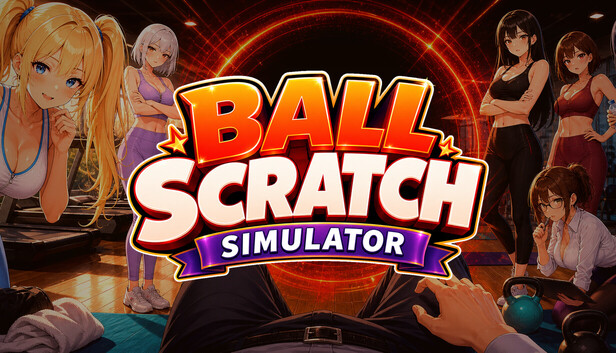
What I saw in the store page copy and the AI disclosure — “the whole game is AI slop, the machines wanted to know what it felt like to scratch” — told me everything I needed. The product exists because an algorithm can spit something out, not because a creator honed a design. It felt like a novelty item in a 24-hour gas station — cheap, attention-grabbing, and forgettable.
At 2 a.m., a new simulator popped into my feed. The signal-to-noise ratio has collapsed.
Steam’s release pace has accelerated. Valve’s platform, combined with tools like Unity and AI content generators from OpenAI and others, lets a single developer push a concept from idea to storefront in record time. That speed is a feature for indie devs who polish, iterate, and learn. It’s also a vector for lazy, joke-first products that lean on shock value over design.
Why are there so many simulator games on Steam?
Because the barrier to entry is low and demand exists. Players click on oddball concepts. Curators and influencers on YouTube and TikTok amplify strange thumbnails and titles, which creates a quick feedback loop. When a few of those videos drive sales, copycats appear. The market rewards loud hooks and thumbnail-driven curiosity — not quality.
I noticed the developer called their own work “AI slop.” That honesty is oddly damning.
Calling a product “slop” is a rare brand choice. It signals either a satire that lands or a shrug that fails. Many of these releases lean on procedurally generated text, stock assets, and a single gag loop. You can list something at $4.99 (€5) and the math works if enough browsers hit the page out of curiosity.
Are simulator games on Steam low-effort?
Not inherently. Kerbal and Euro Truck came from care, iteration, and community feedback. But a growing slice of simulator-labeled titles are low-effort. They borrow the language of simulation without delivering systems to explore. The AI disclosure on Ball Scratch Simulator is the kind of candor that doubles as an admission: it exists to be clicked, not played for long.
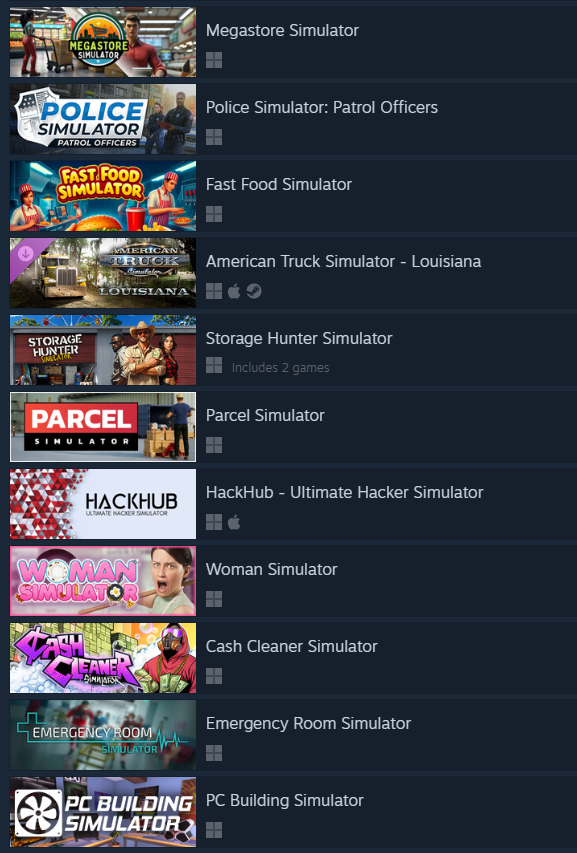
I skimmed storefront notes and community posts. You learn to read the signs.
Look for blunt language like “AI generated” used as a joke, recycled asset packs, no screenshots of real interfaces, and reviews stuck at a handful of short lines. Tools like SteamDB, the curator feeds, and watching early-play clips on YouTube give you clues. If a game’s hook is only a gag or a shock title, your time-to-fun will be short.
How do I spot low-effort games on Steam?
Scan the page for meaningful play: screenshots that show a UI, mentions of systems or progression, a developer history, and community activity. Watch a ten-minute clip from a streamer — if nothing changes after five minutes, that’s a warning. Use Steam’s refund window if something feels like it was stitched together by an AI and nothing else.
I checked the broader ecosystem. The incentives are misaligned.
Revenue models and attention economics favor rapid releases and shock hooks. Publishers and influencers chasing viral hits push visibility for anything that stops the scroll. Some studios thrive under this system; many hobbyists and creators do honest work and deserve that audience. But the flood of gimmicks drags discovery down for everyone else.
Call it a symptom of a tooling mismatch: accessible engines, stock asset stores, and generative text create a recipe that anyone can follow. Many kitchens are producing fast food instead of crafted meals, and too often the result is a blender of recycled jokes and auto-generated text, missing a beating heart.
I want meaningful simulators to thrive. I want room for cozy, precise, and even weird experiences that teach, calm, or surprise you in a good way. But you and I are both gatekeepers now — through attention, purchases, and the videos we share.
Ball Scratch Simulator hits Steam in August and carries its own disclaimer. That’s part satire, part symptom. You can click, you can laugh, you can refund — or you can ask what platform incentives you are reinforcing with a single purchase. Is this the future we want for Steam?