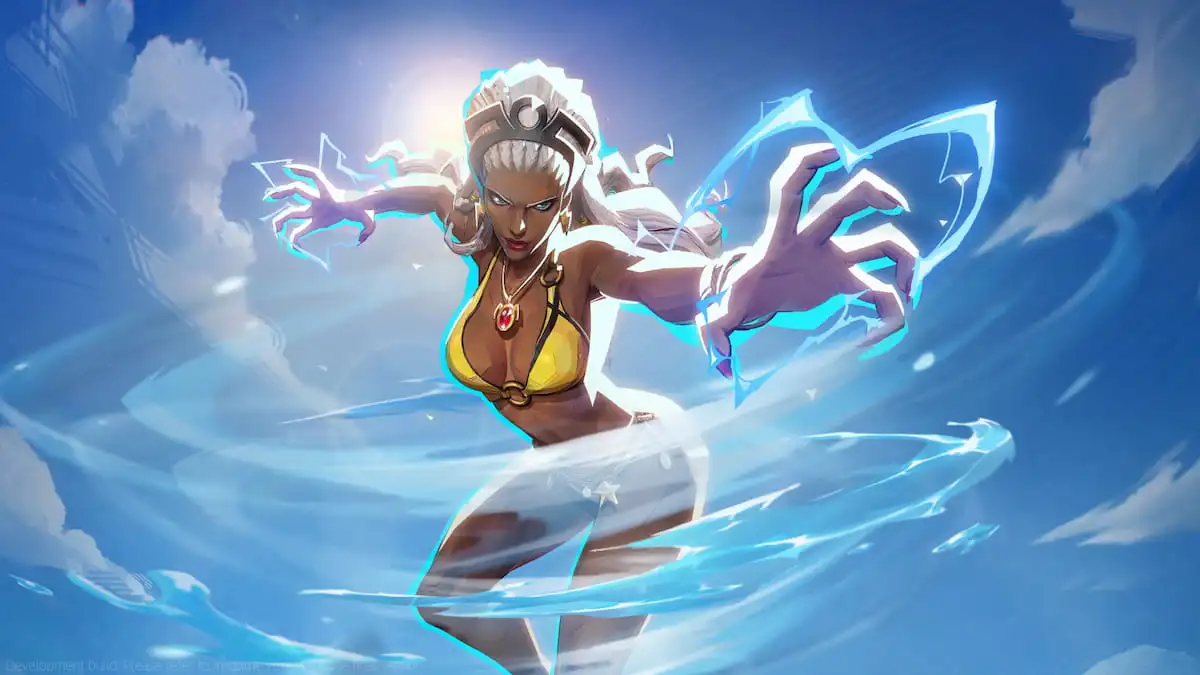
I was scrolling Discord when a screenshot jumped out: Storm’s new swimsuit skin, tagged as Epic, not Legendary. You could feel the room shift—messages stacked up, outrage barreling through channels. NetEase replied, and the conversation changed shape overnight.
A tweet lit the fuse — the reveal that started everything
You saw the trailer on X, the caption breathing sunshine into it. The Marvel Rivals account posted Storm’s summer skin, and people noticed something off: unlike other recent swimsuit outfits, this one was an Epic, not a Legendary.
That distinction matters. Legendary skins in competitive live-service titles carry unique VFX, audio cues, and lobby or MVP animations that make players feel seen and rewarded. An Epic skin means a cosmetic upgrade without the fanfare. For many, that difference reads like respect paid in small change.
Clear skies, golden sun – the Weather Goddess reigns! “Scott has returned, thank the Goddess! Enjoy yourselves on Krakoa, everyone. Leave the weather to me; I’ll ensure clear skies and sunshine.” – First appears in Marvel Swimsuit Special (1995) #4Soak in the summer sun… pic.twitter.com/PhD1zArfTK
— Marvel Rivals (@MarvelRivals) August 12, 2026
Why did NetEase upgrade Storm’s skin to Legendary for free?
NetEase answered publicly: they’ll upgrade the swimsuit to Legendary at no additional cost and add “an all-new lobby animation and updated MVP animation,” while keeping the price at $16 (€15). That’s a quick patch to the headline problem, but it doesn’t erase the pattern players pointed to.
A Discord thread filled with screenshots — the community connects dots
In chats and comment feeds, you could spot examples fast: Blade and Moon Girl’s initial introductions, a spray showing Blade breaking free of shackles, and the way certain characters repeatedly get high-tier cosmetics. Players put these moments next to one another and drew a line.
I read threads on Reddit, watched TikTok calls for “Justice for Storm,” and tracked posts where fans point out Luna Snow and Psylocke getting frequent spotlight treatment while others wait. That accumulation is why a cosmetic decision can feel like more than a cosmetics decision.
@mustbefayt JUSTICE FOR STORM!!! #marvelrivals #xmen97 #avengersdoomsday #magneto #gamingtiktok
Is there a pattern of underrepresentation for characters of color in Marvel Rivals?
Players point to timing, placement in the shop, and lore choices as signals. For example, Scarlet Witch and Magik appeared prominently in the “Pop & Win” gacha; Storm and Black Cat were lower in the storefront scroll. Patterns like that amplify suspicion.
I asked myself what would calm the room: transparent skin roadmaps, clearer rarity logic, and regular community updates. Big live-service teams use tools like telemetry dashboards and sentiment monitoring on platforms such as X and Discord; public comms paired with data could change the narrative.
A developer post landed — the promise and the pushback
NetEase posted that they hear the community’s passion and that harassment of staff isn’t acceptable. They committed to upgrading Storm’s skin and hinted at additional Legendary Storm costumes later this year.
That response is a public-relations maneuver and a product decision at once. Upgrading a skin for free is an olive branch; leaving the $16 price tag in place (about €15) keeps business optics intact. For many players the gesture is welcome but not fully satisfying: the question now is follow-through.
I’ll be blunt with you: you and I both know a single corrected skin won’t erase months of perception. The studio can either treat this as a one-off fix or as data that maps to broader creative choices. If they choose the latter, you’ll see cadence changes, lore fixes, and more equitable spotlighting. If they don’t, community trust keeps eroding.
Consider specific examples: Jeff the Land Shark has six Legendaries, Cloak & Dagger have five, while long-standing characters like Black Widow and Human Torch have none. Those numbers aren’t just cosmetics; they’re signals people use to decide whether the team values representation equally.
Two metaphors for the moment: the thread that tied these examples together acted like a match; one spark and the whole bundle flared. The shop feels like a gallery with uneven lighting — some figures bathed in spotlights, others left in shadow.
NetEase referenced internal work and asked for patience while upgrades roll out. You should be skeptical and hopeful at the same time. Scrutiny from Discord, Reddit, and creators on TikTok and X pushes studios to iterate faster—public pressure is a tool as much as a risk.
Here are the practical signals I’ll be watching as someone who tracks live-service behavior: a clear content calendar, parity in Legendary releases across characters of different backgrounds, and concrete storytelling choices that reintegrate characters like Storm into shared lore (where she belongs alongside other X-Men rather than as an outlier).
NetEase is not alone in juggling revenue mechanics and community trust. Companies like Riot, Blizzard, and Blizzard’s peers have learned that transparent roadmaps and frequent community Q&A sessions calm things more effectively than closed statements. If NetEase borrows those playbooks—regular updates on X, AMA threads on Discord, and dev diaries that explain design decisions—you’ll see a steady shift.
My final read: this will play out over quarters, not days. The upgrade to Legendary and added animations are a start, but your follow-up questions matter more than a single PR line. Will NetEase commit to measurable, recurring changes that reflect the community’s concerns?
Will the studio treat this as a single misstep or as the signal to fix a pattern?