
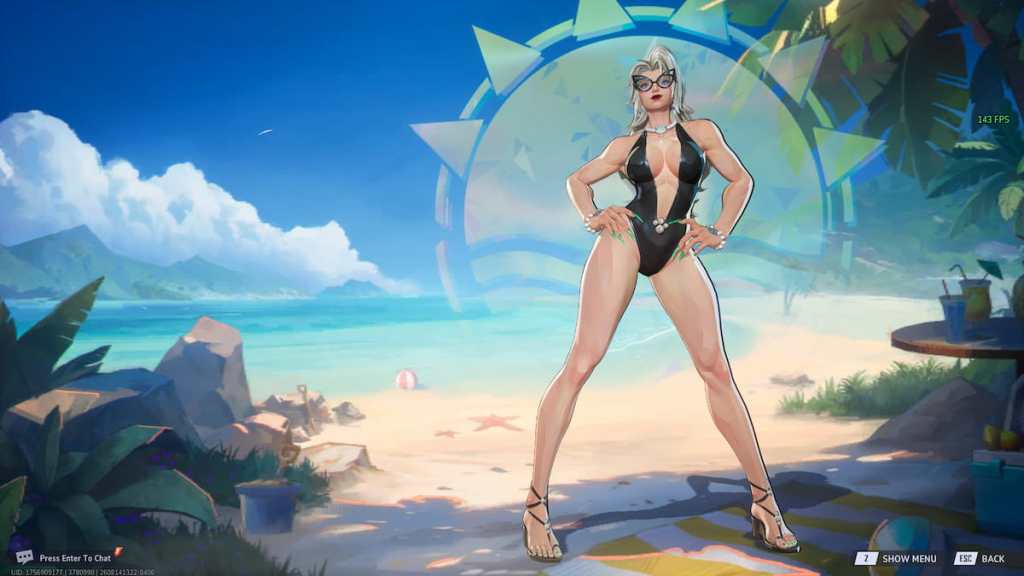
I landed on the main menu and the banner hit me before the matchmaking did: bathing suits, Scarlet Witch in a swimsuit, and a giant call to spend. You could feel the moment change—what had been a multiplayer lobby became a shop window. I watched other players suddenly funnel toward their wallets.
On launch your main menu is a sales pitch — Marvel Rivals rockets to Steam’s top-seller list
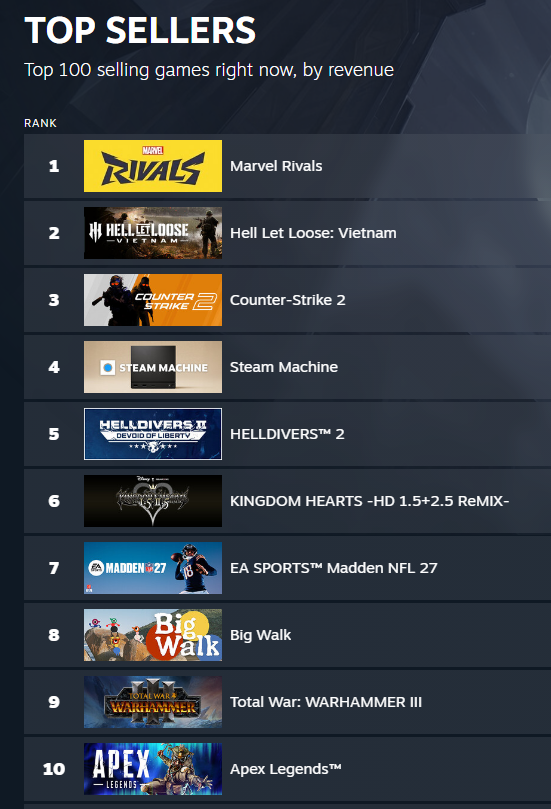
Steam’s charts don’t lie: Marvel Rivals shot to the No. 1 selling game in the US and No. 3 globally the day after the Swimsuit Special dropped, beating heavy hitters like Counter-Strike, Helldivers 2, Madden NFL 27, and Hell Let Loose: Vietnam. That banner you see on startup is the engine behind the spike, not a subtle nudge but a demand signal aimed square at player attention.
Why did Marvel Rivals top Steam’s charts?
Because attention converts. The studio combined sex appeal, visible placement on Steam (Valve’s storefront), and layered monetization—direct sales, an event pass, and a “Pop & Win” gacha—so discovery becomes purchase frictionless. You see the swimsuit banner the moment you open the game, and the path from click to purchase is intentionally short.
At the in-game shop the offer is obvious — four swimsuit specials and multiple purchase routes
Scarlet Witch, Magik, Storm, and Black Cat aren’t vague additions; they’re curated products with different purchase mechanics. Black Cat and Storm are direct purchases, while Scarlet Witch and Magik rely on Pop & Win balloons—each balloon costs in‑game currency and can, if you’re lucky, reveal every item in a bundle.
There’s also an event pass that grants swimsuit looks for Star-Lord and Winter Soldier, so the monetization is layered: direct buy, gacha, and progression paywalls. The gacha element feeds the “one more try” impulse that gaming economies have leaned on for years.
Are the swimsuit skins pay-to-win?
No—cosmetics don’t change gameplay. But that misses the point: cosmetics shape identity, social signaling, and streaming optics. You and I both know a flashy skin can change how someone plays, how they’re perceived, and how often streamers show a match. The studio gets funding for a free-to-play title; the community pays to express itself.
On price tags the math is simple — incremental buys add up fast
The swimsuits sit around $15–20 per outfit (roughly €14–19). That’s not a one-off—multiple characters, event passes, and gacha retries mean repeated purchases. Small sums become a predictable revenue stream for a free-to-play product and push Marvel Rivals into Steam’s money leaderboard.
How much do the skins cost?
Expect to spend about $15 to $20 per outfit (≈ €14–19). Pop & Win balloons cost in‑game currency and can stretch that bill higher if you chase a full set or land on the last balloon. And this Steam-only snapshot ignores console and mobile receipts, which make the total take larger.
When the storefront is a stage — attention engineering meets community behavior
Every time you launch the game you see retail creative. The Swimsuit Special banner is a repeating cue that nudges decision-making toward spending. It’s targeted merchandising built into the product’s first screen.
I don’t buy every skin anymore, but watching players elect to spend $15–20 (≈ €14–19) on an outfit gives you a clear read: cosmetic appeal plus visible placement equals predictable revenue. The studio used what gamers respond to—sex appeal, FOMO, and easy purchase flows—and the charts responded in kind, like a neon billboard that won’t stop blinking.
Are these practices ethically tidy? That depends on how you value the match between player consent and studio profit—and how much influence on spending you think a main-menu banner should carry. For me, the mechanics feel engineered to keep purchases coming, like a faucet suddenly turned on—fast, steady, and hard to ignore.
If a free-to-play game can climb Steam’s revenue ladder by selling costumes that push emotional triggers and make buying frictionless, what responsibility do platforms like Steam and creators have when the thirst is this visible?