
I was watching match stats in a dim office when the curve flattened: new downloads ticked up after a patch, then stopped. You could feel momentum slip—fast players try, fewer stay. I told a colleague then: this one wasn’t climbing.
I’ve covered launches that caught fire and ones that quietly folded; with 2XKO you saw both ambition and a stubborn resistance from the market. I’ll lay out what Riot announced, what it means for players and creators, and what the fighting-game scene might do next.
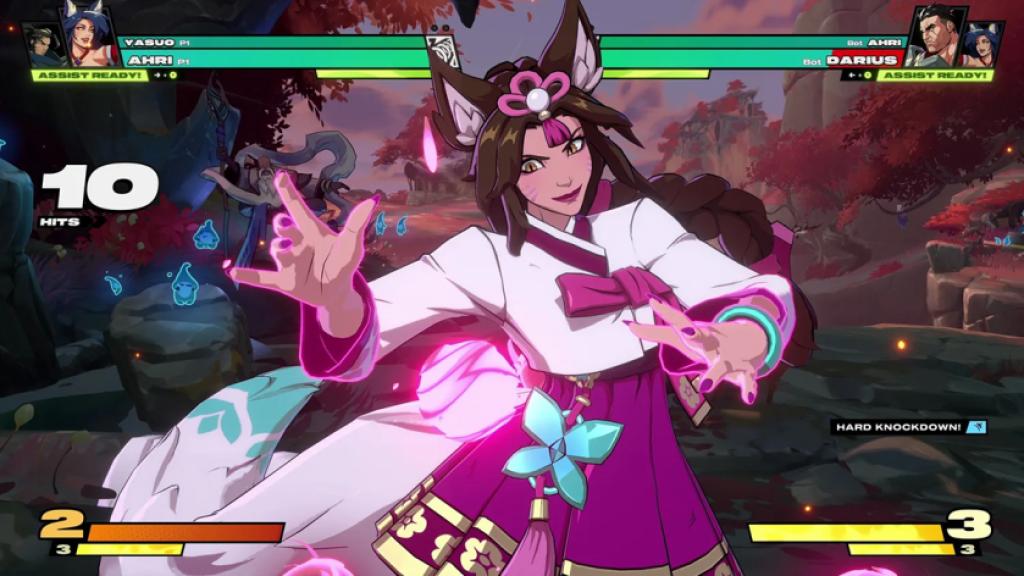
At a weekly playtest I saw the lobby fill and then thin out — retention was the headline problem
Riot Games confirmed today that 2XKO, the League of Legends-flavored fighting game, will stop active development at the end of 2026. Servers will stay online on all supported platforms, but the team says the title did not keep enough players to justify ongoing investment.
The company framed the choice as data-driven: they looked at more than revenue—retention, new-player growth, and engagement. Despite positive spikes when chapters like Akali, Senna, and Thresh launched, and events that energized the competitive scene, the trend never shifted toward a sustainable player base.
Why is 2XKO shutting down?
Riot’s own analysis pointed to three hard truths: many players tried the game, an active core remained, but too few stuck around. Even with highlight moments and PVE content like The Climb, those bursts were brief. The team ultimately concluded that continuing active development the way it had been done would be impossible.
On the storefront I noticed purchase receipts and community posts — Riot is compensating players
Riot said all champions will be made available to everyone, and that any money spent before Aug. 20, 2026 will be refunded. That’s a tidy, player-facing concession that acknowledges the investment people made in time and cash.
If you bought cosmetics or champions, you’ll see refunds processed; Riot emphasized they want to “do right” by players and the Rioters who worked on the project. The final bug-fix patch will arrive in December, and planned hero releases for Lux and Samira will still ship during the remainder of this year.
Will 2XKO servers remain online?
Yes. Riot confirmed that while active development will stop, servers will remain live so people who enjoy the game can continue playing. That preserves the community’s access and keeps tournaments or casual sessions possible, at least for now.
In the FGC Discords I heard skepticism about monetization and momentum — the industry context matters
The fighting-game community and events like EVO shape expectations: players expect tight balance, long-term competitive support, and an ecosystem for grassroots tournaments. Riot rolled out several champions and hosted competitive events, but those moves didn’t create lasting growth.
This wasn’t only a design problem. Platform choice, discoverability on Steam or Epic, and audience attention—especially with Riot’s other hits like League of Legends and Valorant—were all part of the fight. You can think of 2XKO like a festival that emptied before midnight, and a championship belt hanging in an empty arena; both images make the same point: atmosphere matters as much as product.
Will I get a refund for purchases?
Riot explicitly promised refunds for purchases made before the Aug. 20, 2026 announcement. They also said all champions will be available to everyone, removing progression barriers for players who want to keep competing or enjoying matches.
What should creators and competitive organizers take from this? If you run a tournament or stream, prioritize community-building moves that increase stickiness: onboarding, repeatable rewards, and clear pathways from casual match to competitive play. Riot tried content cadence and events; the stubborn numbers suggest those efforts didn’t scale into retention.
I’ve seen big teams pivot when a title fails to find traction—some shut down, some mothball servers, and a few open-source projects or third parties keep communities alive. Riot’s choice to keep servers up and refund purchases places 2XKO somewhere short of dead and somewhere beyond full support.
If Riot’s experiment with a fighting game taught us anything, it’s that brand recognition and glossy skins don’t guarantee a player base that sticks; discovery pipelines, platform partnerships, and community glue are equally decisive. Riot, EVO organizers, Capcom, and platform stores like Steam still influence whether a niche fighter can grow into a living esport.
So where does that leave you—the player, the organizer, the designer? You can keep playing, move your roster to other titles, or treat this as a data point for what works and what doesn’t in bringing a new fighter to market. Which lesson matters most to you?