
I dropped into the test lobby with a stomach full of skepticism and a Switch 2 in my hands. Two hours later I was smiling, then frustrated, then unsure if I wanted to keep playing. That swing—exhilaration to confusion—is where my report begins.
In the lobby the map is the first thing people stare at.
You know FromSoftware’s language: choke points, mash-ups of gothic architecture, and enemies that make you respect distance. The Duskbloods wears those signatures plainly. It borrows Bloodborne grit, borrows Elden Ring: Nightreign’s open match pacing, and even tips its hat to high-speed mech ballet from Armored Core. I’ve played the network test for several hours, and I keep returning to the same impression: the bones are familiar and gorgeous, but the skin is different.
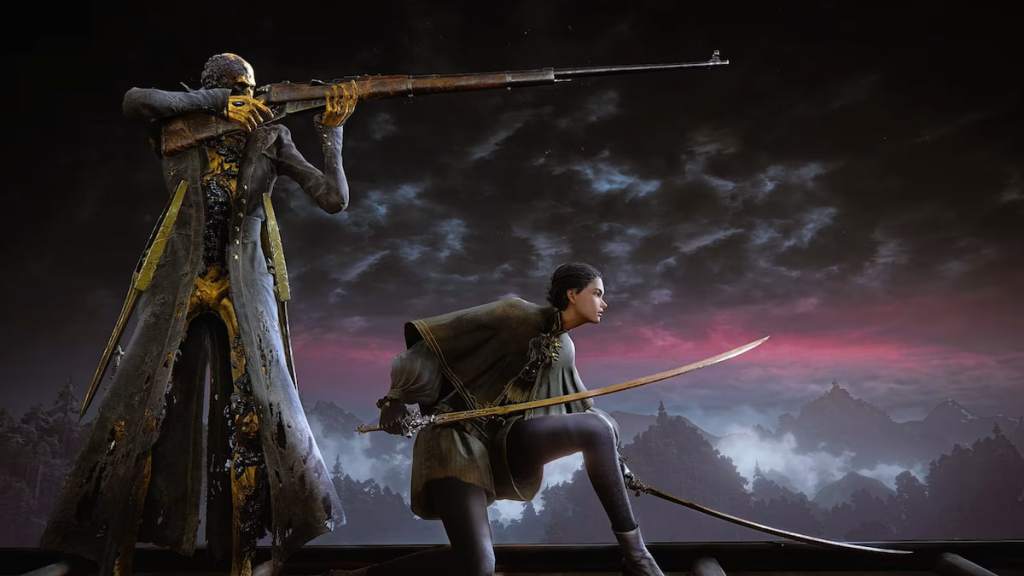
At the start of a match you spend more time reading icons than hitting enemies.
The UI is dense. You flip open the map, see a blizzard of markers, and have to pick a route that balances farming AI foes, hunting bosses, and avoiding other players. That planning loop rewards patience but also filters out the casuals. I don’t mean to gatekeep—what I mean is the game demands a posture more suited to competitive players than ritualistic Souls fans. The participatory arc is: gather score, level up, and then survive a player-driven finale.
Is The Duskbloods PvP-only?
Short answer: not entirely, but the heart of every match is other players. The map populates with AI and bosses, and those encounters feel pure FromSoftware—satisfying hits, grotesque design, and moments of terror. But every run funnels into player conflict. If you hate PvP, that funnel becomes a problem because progression and much of the narrative hints come through matches where player skill matters most.
During skirmishes the pace changes as soon as another player appears.
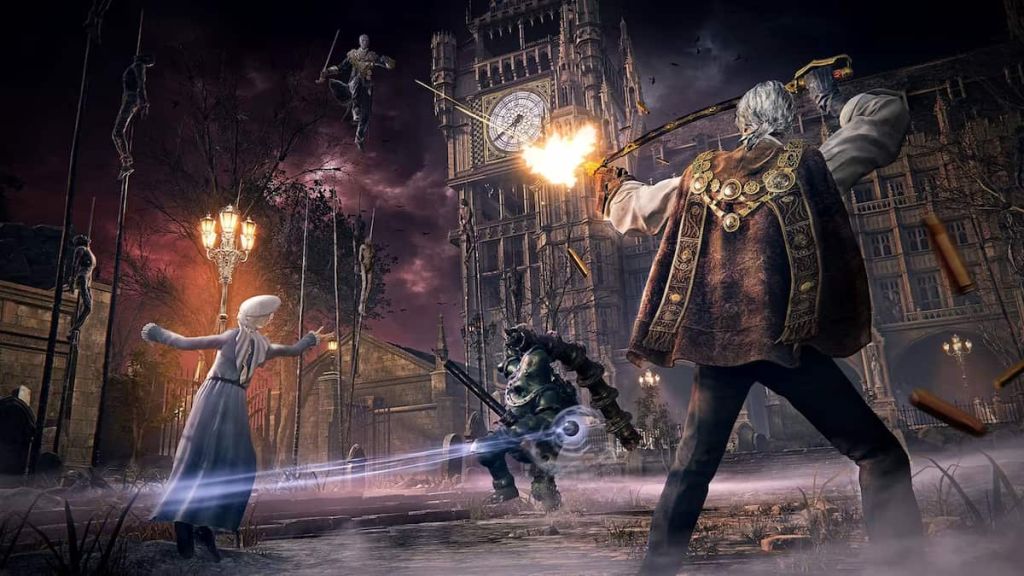
Combat is fast. Movement options—triple jumps and mid-air dodges—accelerate encounters into bursts of chaos. The result is strange: fights often feel like a frantic test of who can out-press buttons while avoiding being flanked. Some characters and tools already read as stronger than others; one or two loadouts felt like obvious winners in my sample runs. The metagame is forming, and balancing will be the pressure point.
The final showdown became a carnival mirror, reflecting FromSoftware design through a multiplayer lens. And when the match tips toward repeated button exchanges, the feel shifts from thoughtful combat to sweaty arena play. That’s not bad for everyone—some players thrive there—but it changes what a FromSoft title feels like.
Will The Duskbloods be on Switch 2 only?
As of the test, it’s a Switch 2 exclusive. That matters: the visuals sing on the hardware, but framerate hiccups appear under stress. If you follow Nintendo announcements or FromSoftware interviews, you’ll know exclusivity affects player base and match quality—two things that will shape long-term enjoyment.
At the edges of each map you notice the world-building trying to pull you in.
The gothic vistas, enemy designs, and music register instantly as classic FromSoftware. I felt the same awe I had in Bloodborne. The test gave hints of a larger story, and I want to explore that narrative. But here’s the rub: if major lore content or the cleanest progression routes require you to succeed in PvP-heavy runs, some players will miss out. The fear of loss here is simple—miss a handful of matches and the story threads you crave may gather dust.
Does The Duskbloods have a story you can play alone?
Not in the single-player campaign sense. There are narrative breadcrumbs in matches and environmental storytelling that reward persistence, but the game’s systems steer you toward multiplayer outcomes. If you play alone casually, there’s still plenty to admire visually and musically, yet some of the richer rewards appear linked to competitive success.
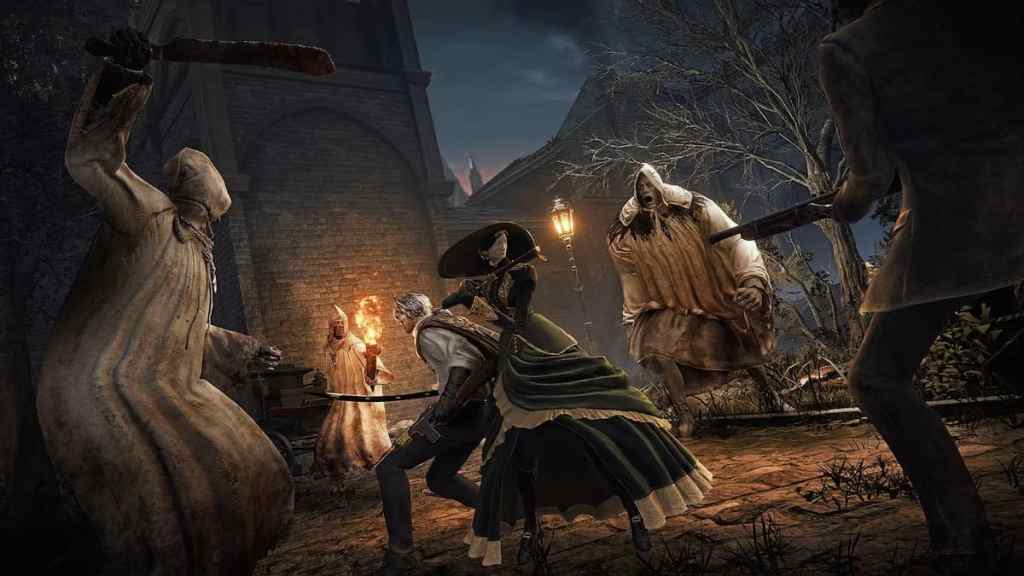
At the end of a session you’ll either be hungry for more or ready to walk away.
I’ve watched PvP creators like Oroboro and Peeve for years; I respect the craft and know where the thrill comes from. The Duskbloods is clearly the game FromSoftware wanted to make—Hidetaka Miyazaki has championed experiments like this before. The question is whether the experiment becomes a long-term favorite or a short burst of adrenaline. For me, the PvP flavor is turning some of the studio’s most beloved recipes into something unfamiliar; the PvP loop turned into a tightrope walk, thrilling for some and nerve-jangling for others.
I’m curious about the full release. I’ll be back for the launch—likely late 2026 or a December window—and I’ll keep an eye on how balancing, matchmaking, and the distribution of story rewards evolve. If you love frenetic multiplayer, competitive metagames, and gothic set pieces, this might steal hours from you. If you play FromSoftware for solitary world-building and careful duels, you might walk out puzzled. Which side will you be on?