
I was in a store last week, staring at a price tag for a Nintendo Switch 2 and feeling my jaw drop. You remember how console and GPU prices spiked after the last round of tariffs—those wounds never fully healed. Now Washington is reportedly circling another set of duties that could turn sticker shock into sticker trauma.
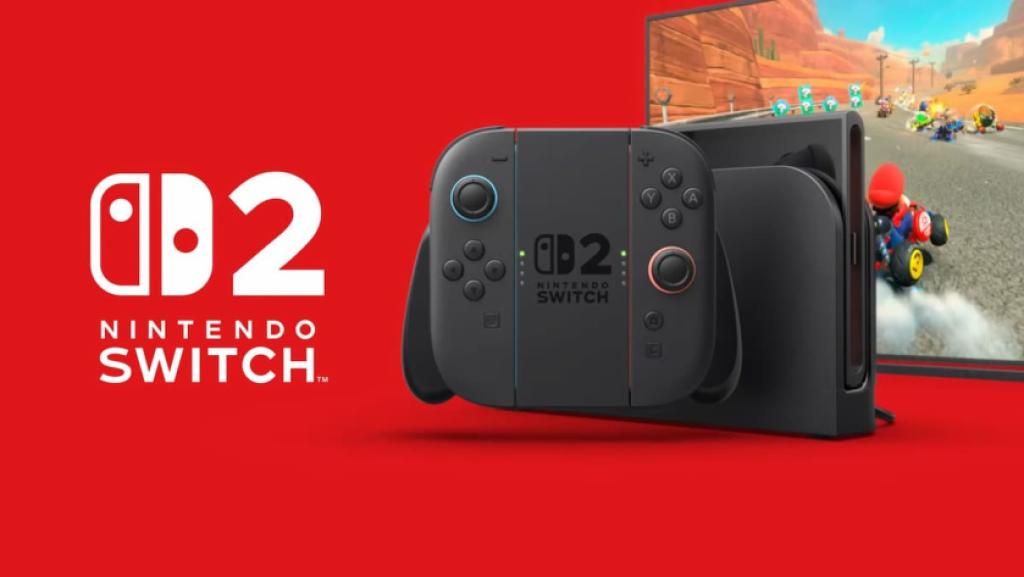
Store shelves still show higher prices after last year’s tariffs.
I’ve been tracking hardware costs across PlayStation, Xbox, Nintendo and PC for months, and you can feel the pressure every time a new GPU launch sells out. Politico reported that the administration is weighing another sweeping expansion of tariffs, not just on chips but on goods that contain them—laptops, consoles, servers. That’s a policy that lands directly in your wallet.
Factories still need billions to scale up domestic chip production.
Here’s the blunt math I keep repeating: advanced chip fabs cost billions of dollars—roughly $5–$20 billion (€4.6–€18.4 billion) each—and they don’t spring up overnight. So while policymakers talk about “juicing domestic production,” the interim tool is tariffs. Tariffs are a tax hammer over the console market. You and I pay now; the factories might appear years from now.
Will tariffs make consoles more expensive?
Short answer: yes, if history is any guide. After the previous round, companies passed fees down to buyers—Daniel Ahmad noted that hardware prices rose and refunds from the courts flowed to manufacturers, not gamers. For many consoles and GPUs, that translated into roughly $50–$200 (€46–€184) added per unit in visible and hidden costs. If the new proposal expands the list of covered products, those increments compound.
Retail scarcity still follows AI-driven memory demand.
Walk into a parts seller and you’ll see the same sign: limited stock, delayed shipping. The AI boom has made DRAM and high-bandwidth memory scarce because data centers are hoarding capacity to train giant models. The GPU shortage feels like a slow-motion traffic jam of orders. That mismatch—soaring demand from hyperscalers and constrained supply hitting gamers—was already pushing prices before any fresh tariffs.
How will chip tariffs affect PC gamers and console makers?
For PC builders you can expect longer waits and higher prebuilt PC prices from OEMs that need to protect margins. For Sony and Microsoft, both of whom plan new consoles in the next few years, the calculus is stark: either accept much higher MSRP, shrink margins, or delay launches. Nintendo, meanwhile, is litigating aggressively and small makers like Playdate and ARCTIC have occasionally passed refunds back to customers—rare exceptions in a market dominated by a few big players.
Court fights and policy bluster are now part of the product roadmap.
I talk to industry lawyers and supply-chain leads who treat tariffs as a line item that can make or break a launch. Sony and Microsoft factor potential duties into build plans; Nintendo’s legal fights show how high the stakes are. Politico’s sources—coupled with public comments from analysts like Daniel Ahmad—suggest this isn’t hypothetical theater. It’s a variable companies must plan for.
If you care about affordable gaming, this feels like a policy tug-of-war where the consumer is on the losing rope: a mix of national competition for semiconductor supremacy, multi-billion-dollar factory timelines, and corporate decisions to protect earnings. Do you expect game prices and hardware scarcity to ease while Washington adds more tariffs, or are we headed for another round of higher costs and longer waits?