
The leak arrived while I was scrolling: a flurry of screenshots, a shaky YouTube clip, and a Discord thread full of jokes that curdled into alarm. Within an hour, beloved faces had been remade into something both familiar and wrong. You felt the same double-take I did—this was not the miracle upgrade we were promised.
I’ve been watching GPU launches and modding fiascos long enough that I can tell you what to squint for. You’ll want the facts first, then the context—and yes, the jokes are mandatory.
On social platforms the memes spread before drivers did.
Within minutes of the DLSS 5 leak, screenshots and ON/OFF comparisons flooded Twitter/X, Bluesky, Reddit, and YouTube. People were making parody DLSS 5 toggles the way they once made RTX ON/OFF jokes—except this time the mockery arrived before public builds.
What is DLSS 5 and how does it differ from previous versions?
DLSS 5 is Nvidia’s newest neural upscaling and image synthesis attempt, pitched as a “character enhancement” leap beyond frame-rate features like DLSS 2 and DLSS 3. Instead of just interpolating pixels, it tries to reconstruct faces and skin with AI models. In practice, those models are being tested on old assets, modern engines, and fan mods—an ugly stress test.
The first real-world test I watched was a Control mod that went sideways.
You’ve seen the image: Jesse, rendered with DLSS 5, touted as hyperrealistic. The result reads like a souvenir from a waxwork museum at the wrong seaside. Remedy’s character suddenly carries an accidental throwback charm—think Max Payne circa 2001 remade by overzealous filters.
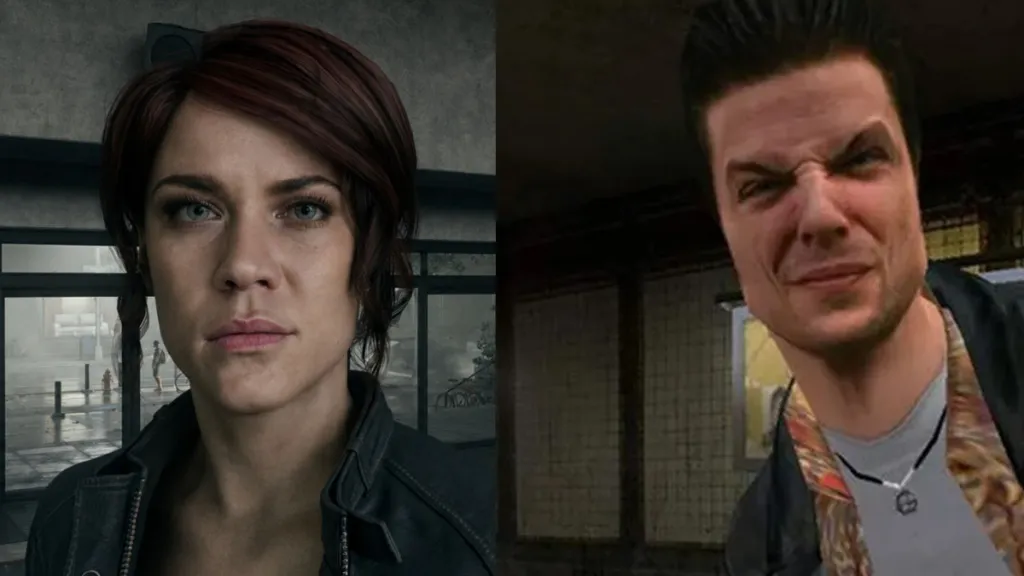
Can DLSS 5 make characters look photorealistic?
Short answer: sometimes, but not reliably. Photorealism requires training data, edge-aware skin synthesis, and context-aware lighting. When a model tries to guess missing information from stylized or low-detail textures, you get uncanny interpretations. The tech can produce convincing patches—and horrifying misfires.
Across modding forums the complaint is the same: performance plummets.
Modders report frame-rate hits of 50% or more when DLSS 5 is active, even on high-end cards. That’s not a glitch—it’s costly. People testing the leak on an RTX 4090 ($1,599 / €1,480) are seeing tradeoffs between image “improvement” and raw smoothness.
Why are users seeing massive FPS drops with DLSS 5?
DLSS 5’s face-reconstruction pipelines add CPU and GPU overhead: neural passes, texture synthesis, and real-time denoising. On machines where GeForce Experience, mod loaders, and custom shaders are already working, that overhead piles up. Many in the Nexus Mods and GitHub threads say turning it on feels like running a high-res filter through a photocopy machine—details get amplified and new artifacts appear.

On launch trailers and big reveals, the reaction was immediate and brutal.
Rockstar’s GTA 6 teaser had barely stopped trending before modders and fans began applying DLSS 5 filters to its frames. The result: a flurry of “oh god” posts and Bluesky embeds pointing out how the tech can turn polished cinematics into a carnival mirror for pixels.
“DLSS 5 can’t hurt meDLSS 5 can’t hurt meDLSS 5 can’t hurt meDLSS 5 can’t hurt meDLSS 5 can’t hurt meDLSS 5 can’t hurt meDLSS 5 can’t hurt meDLSS 5 can’t hurt me”DLSS 5:
I keep watching the threads because this is exactly how tech that overpromises unravels.
NVIDIA has many wins—RTX ray tracing and DLSS versions 2 and 3 moved the industry. But a leaked DLSS 5, pushed into the wild before polish, looks like a tech marketing sprint turned costume party. The memes and outrage are serving as quality control now: gamers, modders, and outlets like Moyens I/O are doing the vetting for a company that usually controls the rollout.
Should players turn DLSS 5 off until official drivers arrive?
If you value stable frame rates and consistent visuals, yes. Keep GeForce drivers current, monitor official Nvidia release notes, and follow mod threads on Nexus Mods and GitHub for compatible patches. If you enjoy playing with the bleeding edge, treat the leaked builds as experiments—not upgrades.
I can’t pretend this is the end of AI face work in games; the models will improve. But leaks like this are a reminder: when machine learning meets cherished IP, the results will make you laugh, wince, and ask whether the trade was worth it. Will developers lean into fixes and modular toggles, or will companies push features before they’re ready for human faces? What do you think?