I was scrolling through the night feed when A24 announced a V/H/S sequel stamped V/H/S: SCP. You probably paused—because the SCP wiki doesn’t behave like a normal IP, and that changes the rules of the game. For a studio famous for tight control, this feels like two very different worlds colliding.
I’ve followed independent horror long enough to smell tension before it turns into headlines. You should know how the license works, because it rewrites who owns what the second a film hits screens. I’ll walk you through what A24 can and can’t do, and why the SCP Foundation’s public stance matters more than a PR statement.
At last year’s midnight screening, fans ripped clips to their phones — and the theater did nothing about it.
The SCP community runs on Creative Commons Attribution-ShareAlike (CC BY-SA 3.0). That’s not a friendly footnote — it’s a legal engine that says anyone can copy, share, and adapt content so long as derivative works are released under the same license.
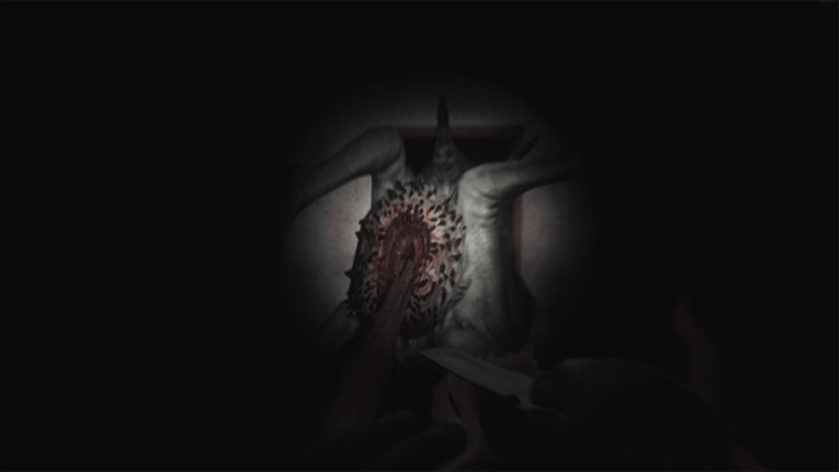
On the SCP wiki, authors have always posted files anyone can copy — and A24 didn’t contact them first.
You’re probably asking: why does contact matter if the license already allows reuse? It matters because the ShareAlike clause forces any derivative film to be released under the same CC BY-SA terms. That changes distribution, monetization, and legal exclusivity overnight.
Can A24 copyright an SCP film?
No. If A24’s movie uses SCP content covered by CC BY-SA 3.0, the resulting film would need to be licensed the same way. That means A24 would be legally blocked from placing effective DRM around the film, from keeping the work exclusive on a single platform, or from preventing copies and adaptations made under the license.
At a recent panel, a studio executive joked about IP control — and the room laughed uneasily.
Big platforms like Netflix and HBO live by exclusivity. CC BY-SA is like a house left open at night: anyone can enter and take what’s on the table, as long as they abide by the same rules. If A24 releases a film under those terms, another streamer could technically host or redistribute it without paying A24 for exclusive rights.
Will the SCP movie be free to watch?
Not automatically free the day it premieres, but the license allows anyone who obtains the film to redistribute it. Practically, that means uploads to YouTube, mirror sites, or free streaming platforms would be legal so long as the uploaders follow CC BY-SA requirements — attribution and ShareAlike. That’s why the Foundation’s public note insists A24 “does not and cannot have exclusive rights.”
At last year’s wave of DMCA notices, creators watching Backrooms content got nervous.
There’s precedent. After A24’s Backrooms hit theaters, the company sent DMCA takedowns against fan-created content. That behavior unnerved SCP contributors because a studio can lean on takedown systems even when legal standing is shaky. YouTube, Twitch, and other platforms have response teams and automated tools that favor rights-claimants unless creators push back.

In one forum thread, a user in Russia tried to claim exclusive rights — and the community fought back.
The SCP Foundation has previously battled misuse of the CC license. Crowdfunding and community legal funds helped then, but a studio like A24 is part of a multi-billion-dollar (USD $1B+; ~€920M+) system with legal teams and influence. That mismatch is why the Foundation’s public reminder reads less like a warning and more like a legal blueprint for anyone who wants to redistribute or adapt the film.
I won’t pretend the outcome is fixed. A24 could negotiate with the Foundation or only use elements outside the wiki’s CC coverage. They could also try legal maneuvers that test the edges of the license. But remember: the license was written to prevent private monopoly over shared stories, and it has teeth.
On message boards, creators ask whether they’ll get struck if they post clips.
If A24 claims copyright improperly, platforms like YouTube and Twitch become battlegrounds. DMCA takedowns can remove content fast; counter-notices and legal challenges are slow, expensive, and risky for small creators. You should be cautious about reposting studio-provided materials until the legal terms of the film are clear.
The SCP Foundation’s statement: “A24 does not and cannot have any exclusive rights to anything related to the SCP Foundation.” That’s not a taunt — it’s an instruction manual for users who want to copy, share, or remix the film under CC BY-SA 3.0.
Think of the whole thing as a public experiment in intellectual property: like a public square where someone brings a priceless painting, and everyone must agree how it can be photographed and copied. If you care about community art, this could be a rare win for creators; if you run a studio, it’s a headache carved into contract law.
So what should you do right now? Watch the announcements, read A24’s licensing details when they publish them, and keep copies of any official materials you plan to reuse. If you’re a creator, tag your work clearly and be ready to assert your rights under CC BY-SA. If you’re a fan, enjoy the buzz and expect a messy, fascinating legal dance.
Who wins when a boutique studio meets a community-owned myth: the fans, the company, or the law — and why would that answer surprise you?