
I walked into a half-lit office where a single desk lamp burned over a stack of ID badges. You could hear the hum of servers and the silence of people who already left. That small, heavy quiet is now permanent: Build a Rocket Boy has formally filed for administration.
I’ve been following this one closely, and you should care if you follow games on Steam, console storefronts, or the business pages of Eurogamer and GamesIndustry.biz. This isn’t a rumor anymore—it’s a Companies House filing that changes the timeline for Leslie Benzies’ studio and the fate of MindsEye.
The reception desk was stacked with unpaid invoices the day I visited
Companies House now lists Build a Rocket Boy (operating as BARB) as having entered administration. That means an external firm—Opus Advisory Group, according to GamesIndustry.biz—will take control of company affairs while creditors and administrators sort the books. You don’t need to be fluent in corporate law to see the direction: administration is a protective pause that often leads to restructuring, sale, or liquidation.
What does administration mean for Build a Rocket Boy?
Put simply, administration gives BARB temporary legal shelter from creditors while professionals attempt to rescue viable parts of the business or manage an orderly wind‑down. Companies House explains that administration can sometimes rescue a company, but in practice the process frequently results in asset sales or staff redundancies when cash is gone. For the studio, Opus Advisory Group will assess whether MindsEye, internal tech, or IP can find buyers or fresh investment.
The open-plan floor smelled like stale coffee and unplugged monitors
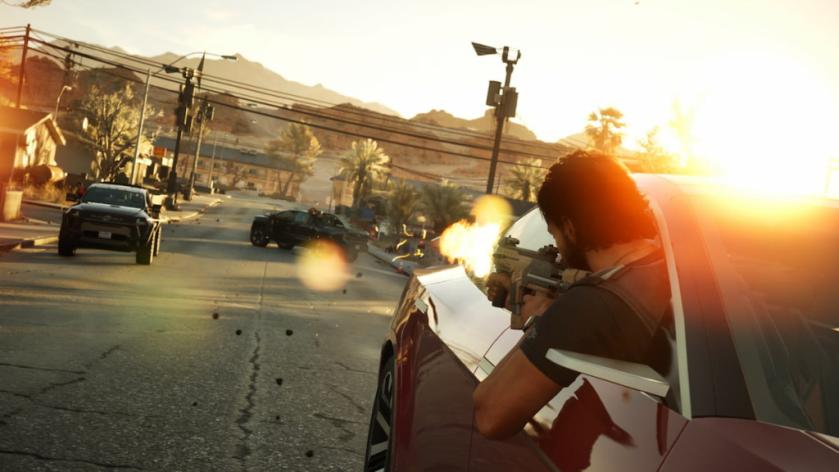
The human cost is already visible: reports last week claimed wholesale layoffs and only a skeleton crew left to manage closure logistics. You probably remember the hype around MindsEye—many press outlets labeled it a possible “GTA killer” before release—and you’ve likely seen the player threads on Steam about broken mechanics and crashes. The damage wasn’t only in reviews; it was in burn rates, missed milestones, and public spats that scared off partners and players alike.
Can BARB be sold or rescued?
Yes, sale is an option—administrators often market assets to recoup money for creditors. That could mean MindsEye changes hands to a publisher, or the brand is chopped into parts: code, IP, and talented staff hired out. But sales bring trade-offs: third-party managers or a buyer may strip autonomy from the studio’s original vision, turning a once-independent operation into an echo of what Benzies built at Rockstar North.
On forums and feeds, players posted chaos and gifs of physics failing
MindsEye’s launch and its later re-release didn’t repair reputation or player goodwill. The game suffered from buggy tech, uneven gameplay design, and a PR spiral that quoted Benzies accusing internal and external saboteurs—claims that only widened trust gaps with vendors, platforms, and fans. When your storefront presence is on Steam, consoles, and digital storefronts, perception affects sales as surely as servers do.
I want you to imagine two images: one is a house of cards slowly collapsing, the other a slow-motion car crash where every attempt to fix the steering only makes the car yaw more. Those images are shorthand for how business decisions, tech failures, and public arguments compound into insolvency.
If you follow legal filings, Companies House and Opus Advisory Group’s next statements will matter most. If you care about the players, watch developer channels, Steam patches, and publisher whispers for any rescue deal. If you care about industry signals, this is a warning that pedigree—Leslie Benzies’ Rockstar North history included—doesn’t guarantee survival without steady management and capital.
So where does this leave you, a player, an investor, or an industry watcher? Will the MindsEye brand be salvaged in someone else’s hands, or is this the final chapter for an ambitious studio that blew its cash and credibility?