
I was on a thread when someone shouted that Death Stranding was “just a walking simulator.” The reply thread spiraled into insults and a pile of screenshots, none of which showed the speaker had played the game. I felt the room tilt—what Kojima warned about in Metal Gear Solid 2 was unfolding in real time.
I’m telling you this because I follow the signals where they form and spread. You’ve seen how a single claim can balloon into a shared fact. I’ll walk you through what Kojima is saying, why it matters, and how this plays out across platforms you already use.
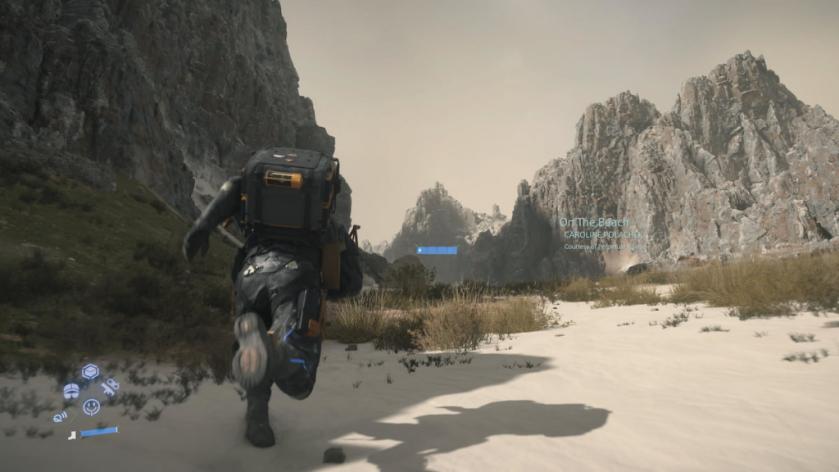
At a festival Q&A, the director and a gamer argued over what counts as criticism — here’s what Kojima added
I was struck when Hideo Kojima sat down with Alejandro González Iñárritu to talk about the new film Digger and drifted, almost casually, into something he’s been sketching since MGS2. He described social media as a living filter that amplifies falsehoods until they feel real, and he used his own games as examples.
Kojima pointed to online responses to Death Stranding, where people who hadn’t played the game repeated the “walking simulator” line as if it were gospel. That echo hopped from Twitter/X to Reddit to YouTube comment threads and back again, turning an offhand opinion into a meme with outsized reach.
What did Kojima say about social media?
He said social platforms can “bring false information to life,” and warned that these feedback loops don’t just warp culture — they can influence politics and daily decision-making. Kojima’s quote, relayed via Automaton Media, carried a simple, sharp point: these systems create context for people instead of letting people create their own context.
On a subway, three strangers scrolled the same outrage — why that matters
When the same headline lands in ten pockets at once, it stops being a headline and starts behaving like a fact. That’s what Kojima meant when he described echo chambers that “control context.” You don’t discover opposing views by accident anymore; algorithms hand you agreement.
Social feeds have become slot machines for attention, and echo chambers are funhouse mirrors: both metaphors fit because one system pays out dopamine while the other warps what you see. These forces together create a public that mistakes repetition for evidence.
How did MGS2 predict social media?
In MGS2, Raiden talks with an AI that filters information and decides what the public should know. Kojima’s narrative foresaw an architecture where centralized filters — human or algorithmic — curate reality. Today’s recommendation systems on Meta and X echo that fictional filter, taking fragmented data and presenting a single narrative to millions.
At a launch party someone shouted “it’s just a walking sim,” and the room split
I’ve seen that split. You will, too, in comment sections and reaction videos on YouTube. Kojima called out how critics and trolls who haven’t engaged with a work can nevertheless steer the conversation, reducing a complex game into a dismissive tag.
He singled out the persistence of the “walking simulator” claim about Death Stranding as “the most frightening.” It’s not just sour takes; it’s evidence of a system where amplification substitutes for engagement. Platforms including YouTube, X, and Reddit make it cheap to broadcast a claim and expensive to verify it.
Why do people call Death Stranding a walking simulator?
Part of it is shorthand: critics compress a game’s pacing into a dismissive label that spreads faster than nuance. Another part is incentive: sensational tags get clicks, shares, and algorithmic boosts. That’s the engine Kojima is asking you to notice — the infrastructure that privileges attention over accuracy.
You can treat Kojima’s warnings as auteur theater or as a field report from someone who studies narrative ecosystems. I treat them as a call to sharpen how we interrogate what we accept as fact. If you care about truth in games, journalism, or politics, what will you do the next time a trending claim lands in your feed?