
I clicked a flickering portrait and my classroom vanished. You sit there, controller in hand, and a pop quiz materializes from a grinning ghost. I remember the thrill—half lesson, half shiver—and I still recommend it.
On a playground, kids trade ghost stories.
You start JumpStart Adventures 4th Grade: Haunted Island as an ordinary fourth-grader and quickly discover your class has been turned into monsters by Mrs. Grunkle, a substitute teacher moonlighting as a witch. The quest is simple on paper: recover classmates’ possessions, return them to normal, and track down 25 keys to Mrs. Grunkle’s house.
Knowledge Adventure built this entry as a point-and-click that teaches while it frightens—math, reading comprehension, and social studies sit behind minigames that reward strong performance with the items you need. The design pushes you to improve scores to make steady progress, and I’ll say this plainly: it works.
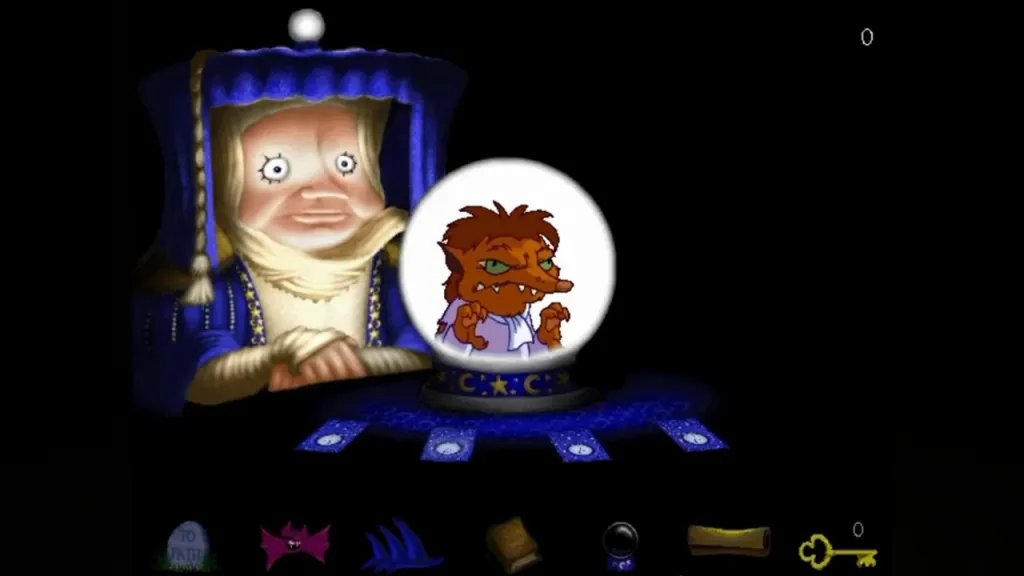
Is JumpStart 4th Grade Haunted Island scary?
Short answer: yes, in the way a well-told campfire tale is scary. The game leans into a Tim Burton aesthetic—quirky character design, a theremin-heavy soundtrack, and sets that feel more detailed than many contemporaries.
The forest with faces carved into trunks and the first-person angles create real unease; the cemetery asks kids to read stories that wouldn’t be out of place in Goosebumps. The island is a dusty attic of fourth-grade anxieties, and certain moments still tighten my shoulders.
At a rainy October night, a report card feels heavier.
The educational systems here are smart without being clumsy. Minigames gate the items you need, and scoring matters: do well, and you collect more possessions and keys; do poorly, and you get nudged back to practice. That rhythm converts effort into progress in a way classroom lectures rarely match.
You learn because the game requires it, not because it nags. That’s where this title earns its cult status among edutainment: it respects a player’s time while treating learning as something to be earned.
Where can I download JumpStart Haunted Island?
Many fans point to My Abandonware for the installer and advice; Reddit threads in r/90s_kid also circulate tips and patches. YouTube hosts playthroughs that help you decide if the tone fits your household. I mention Moyens I/O and Knowledge Adventure because they’re part of the historical trail—developers, coverage, and community all keep the title alive.
Be careful with old installers: emulate safely (think DOSBox-style solutions) and scan files before running them. If you’re unfamiliar with emulation, the community threads on Reddit and guides on My Abandonware are helpful starting points.
In an online forum, people still swap jump-scare stories.
Repsac—the grinning ghost who pops up to quiz you—is the real reputation-maker. He follows you through the game and ambushes you with trivia whenever he pleases, turning routine exploration into a tense waiting game. Repsac is a landmine of trivia that keeps the paranoia alive.
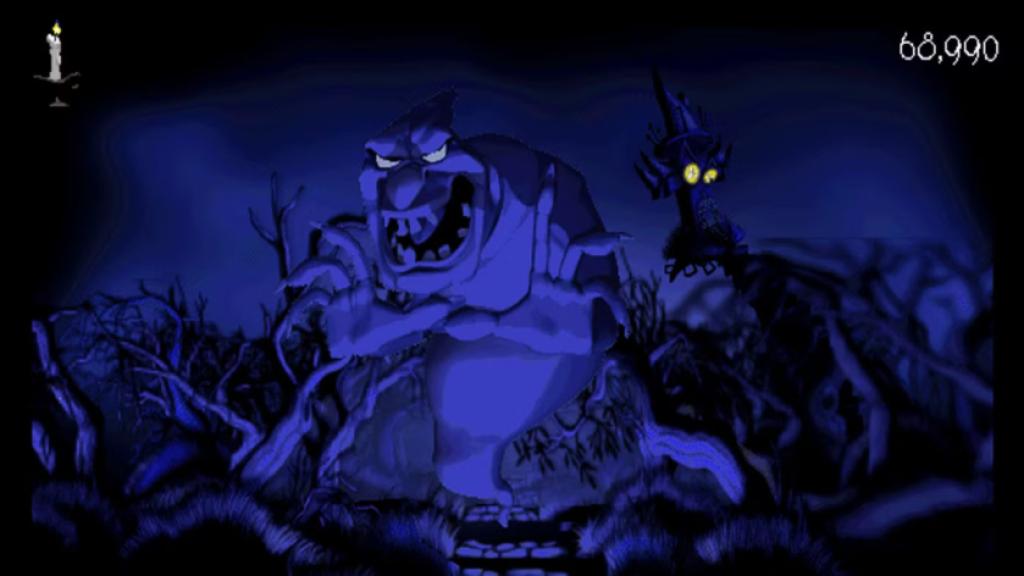
Fans routinely recount Repsac moments on Reddit and Discord; his random pop quizzes are the stuff of nostalgia-fueled legend. Yet the game never crosses into real horror—there’s playfulness threaded through the scares, and most players remember it fondly.
Is JumpStart Haunted Island suitable for kids?
Yes, with caveats. It’s pitched at fourth-graders and teaches curriculum topics while keeping gameplay whimsical. Still, the cemetery readings and some jump-scare beats can be intense for very young or sensitive children. If you’re supervising, skim a few playthroughs on YouTube to judge tone.
At the edge of a modern playlist, old design teaches quietly.
The production—voice actors, soundtrack, art direction—shows how polished edutainment could be in the 90s. It’s a reminder that learning games can combine craft and curriculum without treating kids as a demographic to placate. If you care about how games teach, this title is a study in balancing mood, mechanics, and mastery.
If you want a Halloween evening that teaches and chills, you can revisit this cult classic through emulation and community guides—but will you let a substitute teacher and a grin decide your next lesson?