
It was past midnight when I opened the Helldivers 2 Discord and watched a thread implode. You could feel the mood shift from annoyance to fury in a single scroll. The new anti-cheat had closed a door players relied on for years.
On a late-night forum thread: Easy Anti-Cheat swapped in, and fans woke to broken fixes — what happened next
I’ve followed mod communities long enough to spot patterns: when an anti-cheat changes, complaints don’t trickle — they flood. Arrowhead moved Helldivers 2 from GameGuard to Easy Anti-Cheat (EAC), and several community-made quality-of-life patches stopped working. For many players those mods weren’t cosmetic extras; they were pragmatic repairs for issues like bouncing Strategems, excessive ragdoll behavior, and armor-mixing bugs that altered match flow and frustration levels.
Can Easy Anti-Cheat disable mods?
You’ve probably seen the headlines: mods dead, players furious. Yes — EAC is designed to block binaries and behaviors it flags as tampering. Arrowhead says it will allow purely cosmetic mods but will actively block anything that changes gameplay or creates an unfair advantage. That policy hits community fixes squarely in the crosshair.
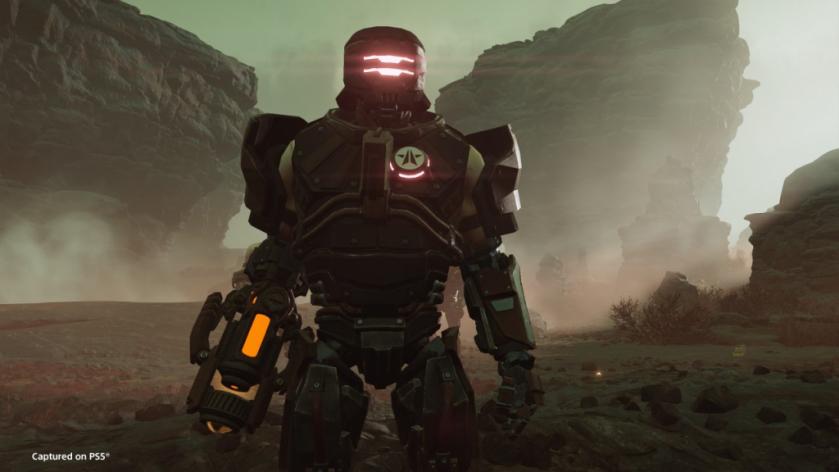
At a player’s desktop: the emotional hit of losing fixes — why mod removal feels like a betrayal
When a fix you’ve used for months vanishes, it doesn’t feel academic — it feels personal. One reviewer put it bluntly: “Cracking down on mods instead of actually fixing issues in the game we have requested for two years is a real kick on the balls.” The anger is about priorities: players want bugs patched in the source code, not workarounds erased by a security update.
Why are Helldivers 2 reviews negative right now?
Review-bombing has become the community’s loudest tool. On Steam, Helldivers 2 sits at “mostly negative” after waves of negative reviews tied to mod restrictions. For some, hammering scores is a way to force visibility and pressure developers. For others, it’s a blunt instrument with collateral damage to genuine player feedback and discoverability on storefronts like Steam.
At the mod page: authors scramble while studios issue statements — how policy and enforcement collided
Modders posted emergency notes, GitHub forks, and compatibility patches only to find EAC blocking their efforts. Arrowhead published an Oct. 20 statement reaffirming a stance: cosmetic creativity is fine, gameplay-altering modifications are not. The company framed this as protecting fair play, but many mod authors see it as a blunt exclusion that removes community problem-solving.
I’ve watched similar conflicts on titles backed by corporations and engines where publisher risk management and community quick-fixes collide. EAC operates with a blanket approach to processes and memory hooks; that helps stop cheats, but it also sweeps up legitimate tools.
At a community livestream: will this calm down or radicalize players?
Some reviews call Arrowhead’s allowance for “QOL mods” a bait-and-switch. One reviewer suspected PR optics: saying you’re “fine” with small fixes while annihilating complex, gameplay-oriented patches. The trust fracture is clear — players who spent hours curating their experience now feel powerless.
There are two ways this could go: a cooperative path where modders and developers negotiate safe APIs or a longer fight where players use review platforms and social pressure to make headlines. The first metaphor: the update landed like a sledgehammer, breaking more than it intended. The second metaphor: community edits evaporated like footprints in fresh snow, leaving no trace of the fixes that mattered most.
If you follow mod scenes on Nexus Mods, GitHub, or Steam Workshop, you’ll recognize the signals: forks, compatibility branches, and pleas to devs for official mod support. Arrowhead can build a sanctioned mod framework or keep enforcing EAC rules and push modders toward a formal toolset — but that requires resources, code reviews, and a change in risk tolerance from platforms like Valve and Epic.
I’m not here to pick sides. I’m here to point out that when a studio swaps anti-cheat systems, thousands of small habits, fixes, and workflows can vanish overnight. You can be annoyed at mod authors for skirting rules or annoyed at developers for not fixing the underlying bugs — both reactions are valid. The real question is who wins when the community’s stopgap solutions are removed: the players, the studio, or the scoreboard manipulators?
Will review strikes and public outrage force Arrowhead to open a safe modding channel, or will the company double down and make community fixes impossible to maintain?