
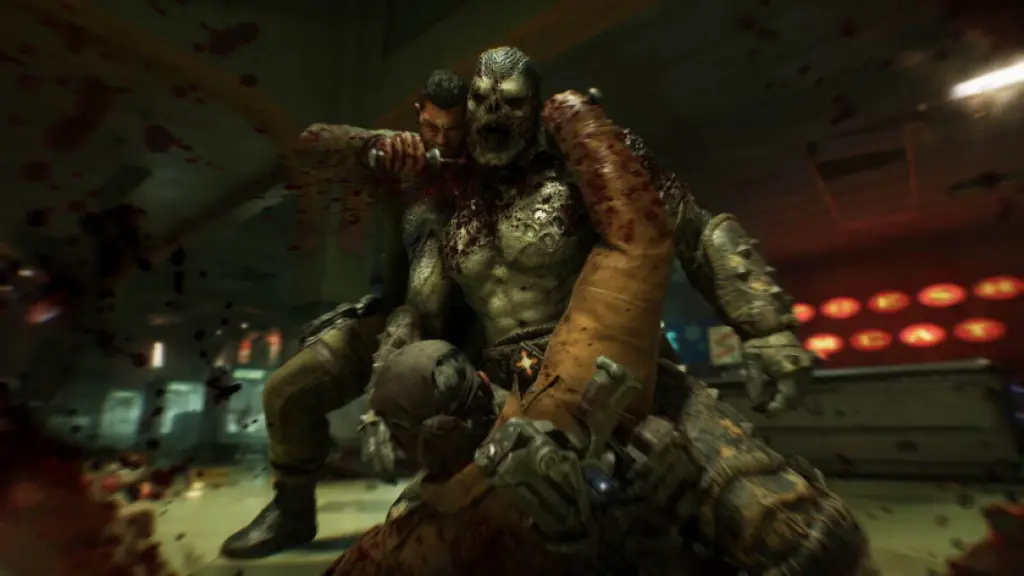
I was on Twitter when Asha Sharma announced Gears of War: E‑Day would return to Xbox exclusivity, and the replies lit up like a tiny bonfire. For hardcore fans it felt like justice; for the market, it barely registered. You can almost hear the strategy shifting—yet the numbers are whispering a different story.
Stores and sales floors show what people actually buy — not what they promise at press events
I follow industry metrics so you don’t have to. Circana analyst Mat Piscatella has been blunt: the exclusivity reset under new Xbox CEO Asha Sharma “gets Twitter likes” but hasn’t moved hardware trends. I agree with him, and I watched E‑Day land with praise—it has an 87 on Metacritic and I gave it a 9 at Moyens I/O—yet sales tell another tale.
Microsoft shipped E‑Day on Game Pass and, according to The Verge, sold roughly 400,000 copies. That’s respectable for a modern AAA release on subscription, but it didn’t create an Xbox buying frenzy. Weekly hardware trackers show Xbox console sales slipping; Microsoft even reported a 14 percent year‑over‑year decline last quarter while blaming supply issues. What mattered more than praise was reach—and exclusivity narrowed it.
Here’s a short truth: by fencing a title to one platform you sometimes cut away the title’s own oxygen. Gears, as gorgeous as it is, landed like a pebble in an ocean of platforms.
Does platform exclusivity still sell consoles?
Short answer: sometimes. The mechanism is simple: exclusives must be both demand magnets and timed right against a console cycle. Xbox’s “This is an Xbox” rebrand plus exclusive-first choices haven’t yet translated to the hardware trendline Piscatella watches. When a title is locked behind a subscription and a single console, you trade broad retail sales for platform leverage—and that trade only pays if the exclusive moves enough units to change buying behavior.
Retail lines and short-term boosts are visible if you watch accessory charts
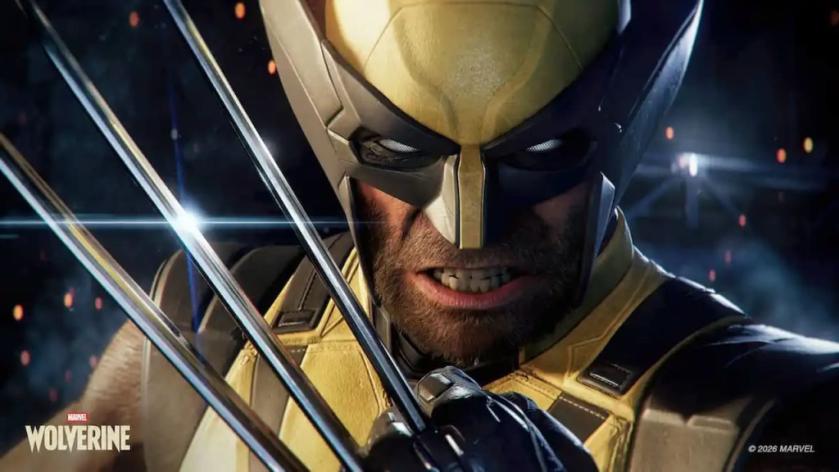
I was in a store last week and noticed the PlayStation accessory shelf thinning—an observation that matches the numbers. Circana flagged that the Marvel’s Wolverine DualSense accessory was the bestselling peripheral the month it launched, and PS5 bundles sold out in limited quantities. That spike helped push PlayStation hardware for a week. It didn’t require millions of units to make a measurable dent.
Wolverine didn’t move mountains, but it did move shoppers. The bundle acted like a lighthouse for casual buyers: a bright, targeted signal that nudged purchase timing and accessory attachment. Sony paired an exclusive with hardware and visible retail scarcity, and that old-school playbook worked here—especially with other marketing pushes around Grand Theft Auto 6 positioning PS5 as the “best” place to play.
How did Wolverine help PS5 sales?
It boiled down to three levers: a timed exclusive, a themed DualSense accessory that fans could see and buy, and a bundle narrative. Piscatella pointed to the accessory charts and the short-term uplift—they were clear. PlayStation used scarcity and a recognizable IP to create instant retail momentum, the sort of one‑week bump that matters to supply‑constrained sellers and holiday planning.
Walk the floor, check the trackers, and you’ll see why platform moves must be surgical
I track sales cadence, bundles, and accessories because headline praise doesn’t pay the rent—sales do. The contrast between Gears and Wolverine shows two different outcomes from similar strategies. Xbox aimed to swap reach for platform loyalty and didn’t get a detectable hardware lift. Sony used a visible bundle and accessory tie to capture a near-term bump.
From a product manager’s view, this is a lesson in tradeoffs. You can force exclusivity to build a platform halo, or you can design a retail play that nudges buying decisions right now. Neither choice is morally superior; they’re tactical. The question for Microsoft is whether they keep betting on the halo effect or pivot back toward maximizing individual title reach.
Why didn’t Gears move hardware?
Gears’ critical acclaim (Metacritic 87) and Game Pass availability created a paradox: subscription reach plus exclusive positioning diluted retail urgency. Piscatella’s read is that exclusivity carved away potential buyers without producing a strong enough counterweight in console sales. Xbox’s messaging reset—“This is an Xbox”—needed more than a single marquee exclusive to change consumer behavior, especially late in the generation.
I’ve told you the metrics, named the voices (Circana, Piscatella, Microsoft, The Verge, Moyens I/O), and walked through the retail signals. The marketplace responds to visible scarcity, bundled incentives, and timing more than to a brand slogan alone. Which means if you’re placing a bet on exclusives, you should ask whether you’re aiming to win a week of sales or to rewire perception for years.
So where does that leave us: double down on platform-first exclusivity or let big games breathe across stores and subscriptions—what would you prefer to see happen next?