
I watched Yoshinori Kitase answer questions from IGN and felt a small alarm go off in the back of my head. You could hear the careful phrasing—no bold promises about an imminent Final Fantasy 17. I trusted that pause more than the soundbite.
On my calendar a chunk of 2027 is circled — what Kitase said, and what that might mean
I’ve been tracking Square Enix’s release slate for years, and the pattern is obvious on paper. Kitase told IGN that the company is “more likely to invest in new titles and new games,” while still leaving room for remakes like the FF7 remake trilogy that has dominated headlines. That sentence is both a promise and a soft hedge: the studio wants fresh IP, but veterans who built the originals still steer occasional revisits.
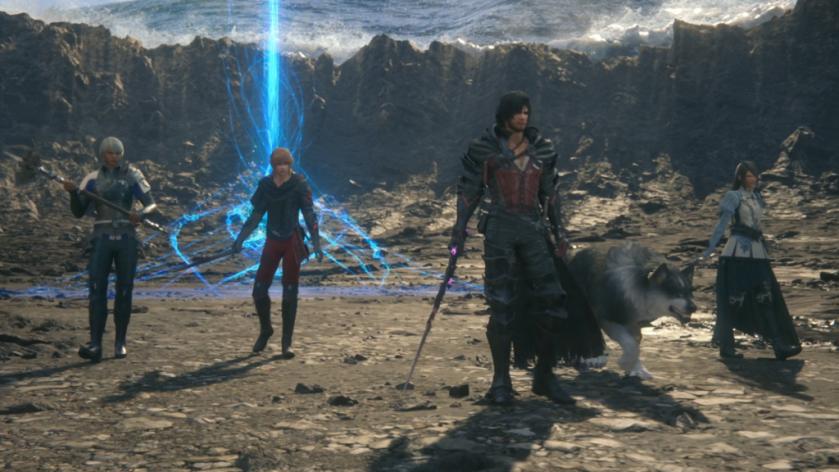
On the shelf by my monitor: release dates that temper excitement
The calendar tells a blunt story: FF16 in 2023, FF15 in 2016, and a steady stream of smaller RPGs and remasters filling out the gaps. The FF7 remake trilogy has been a multi-year centerpiece—2020, 2024, and the finale slated for 2027—so it’s reasonable to expect Square Enix to prioritize other projects once Revelation lands.
Square Enix is like a busy train station, with multiple teams arriving and departing on different tracks; some trains restart old routes, others chart new lines. That operational reality explains Kitase’s tone: a gentle preference for novelty, not a ban on revisiting classics.
Will Square Enix make more Final Fantasy remakes?
Short answer: probably, but not in a rush. Kitase said remakes can happen when creators from the original feel driven to retell a story for new audiences. The company has the resources and a backlog of beloved titles—6, 8, 9, 10 are names fans whisper—but Square Enix’s dev teams are also producing new IP and side projects at a steady clip.
At my desk I keep a folder of interviews—how industry intent shapes what you’ll play next
When the man who produced the FF7 remake trilogy talks about priorities, you pay attention. Kitase’s comments were less an itinerary and more a strategic posture: invest in new games while selectively funding sentimental remakes. That posture aligns with recent releases like Final Fantasy Resonance, the Bravely Default Flying Fairy HD Remaster, and smaller titles that test systems and audiences.
When might Final Fantasy 17 arrive?
There’s no timetable. Given past gaps—seven years between FF15 and FF16—and the ongoing commitment to the FF7 remake finale in 2027, you shouldn’t expect a rapid announcement for FF17. If Square Enix follows the cadence of recent years, your wait could be measured in multiple holiday cycles.
On my feed: community reactions that pressure bold moves
You’ve probably seen the threads: nostalgia bids for remakes, petitions for modern systems, and debates over turn-based versus action combat. Those conversations matter. Kitase hinted the company listens: remakes exist where veteran creators push for them, and new titles are greenlit to chase fresh audiences and new platforms like PlayStation 5 and Steam.
Remakes act as a lighthouse, guiding new players toward older games while giving longtime fans a renewed reason to return.
I’m a fan of the remake trilogy—I’ll be first in line for FF7 Revelation—but I’m also watching how Square Enix balances ambitions across teams, partners like Sony, and audience tastes. You should too: the next direction will shape how the franchise feels for a decade.
Read the full IGN interview with Kitase for more context on creative influences and future plans: IGN interview.
Is Square Enix quietly pivoting away from steady mainline releases and toward a future where new titles—and occasional loving remakes—define the next era of Final Fantasy?