
I stood in a dark corner of the Gamescom demo area and heard Geralt speak, and for a moment the room went quiet. It was the kind of silence that forces you to choose a side: protect a performance or preserve a person. You feel the tension before the credits roll.
In a recording booth, a single breath can change everything — why Respeecher was called in
I watched the development play out like a small, unavoidable drama. Jacek Rozenek, the Polish voice of Geralt, suffered a stroke in 2019 and lost his speech for months. By 2021 he had recovered enough to record a few lines for The Witcher 3 next-gen, but those takes left him exhausted.
CD Projekt Red wanted Rozenek back for Songs of the Past, the new expansion, but the actor’s voice had shifted — rougher, lower, not the same timbre that anchored Geralt a decade ago. The expansion needs aggressive combat lines and sustained performances, so CDPR approached the Ukrainian AI firm Respeecher, with Rozenek’s blessing, to tune his recordings closer to his original voice.
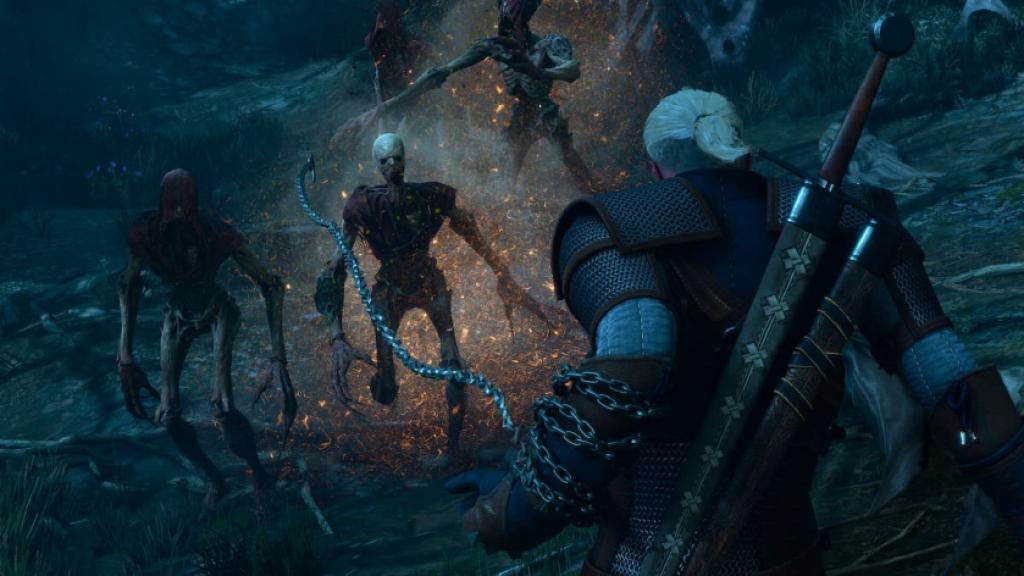
Why is CD Projekt using AI for Geralt’s voice?
Because the practical problem was simple and urgent: Rozenek could perform, but not in the way the expansion needs. He is still recording lines; Respeecher is being used to tune those recordings closer to his earlier performances. Respeecher previously helped CDPR emulate Viktor’s Polish voice after actor Miłogost Reczek died in 2021, so the studio already had a working relationship and technical precedent.
On stage you expect voices to age; on a game disc, time is frozen — what that choice means
I remember hearing Doug Cockle at a panel some years back and thinking how grief and illness marked his voice. Players naturally notice change. Rozenek’s speech has changed after his stroke; Cockle, who battled cancer between Blood and Wine and Songs of the Past, sounds rougher too. You hear history in those textures.
His voice carried the weathered weight of an old oak. The AI acted as a seamstress, stitching the old timbre back into the thread. Those are not neutral edits — they are edits with memory attached.
Is using AI for voice acting ethical?
There’s a clear ethical line that people are watching. CDPR says Rozenek consented, and that makes a practical difference: this is tuning a living actor’s performance, not resurrecting a dead one without permission. But consent doesn’t erase the cultural effect. If studios routinely smooth age or illness out of actors’ work, what happens to the record of a performance over time? You might save a fan’s immersion — or you might erase the markers of a person’s life.
At Gamescom I heard the tuned voice and felt something unresolved — what players should expect
At Gamescom I heard a demo in English and noticed the same shift: Cockle’s Geralt sounded rougher and sometimes pitched differently than in the past. Stephen Totilo of Game File argues the AI-tuned Polish Geralt sounds closer to Rozenek’s original performance. That’s the studio’s intent: preserve the performance’s spirit while accommodating real-world change.
Will the AI sound like the original actor?
It depends on what you mean by “the original.” Rozenek is still performing; Respeecher simply adjusts the raw material. Listeners who know the 2015 recordings will feel the difference; some will call it restoration, others replication. The history here matters: fans, voice actors, and studios are all weighing whether this is care or cosmetic surgery for a beloved character.
CDPR’s move is personal and procedural: personal because it concerns an actor’s health and blessing; procedural because it nudges industry norms toward AI-assisted post-production. You can respect the intent and still worry about the precedent — are we preserving a performance, or rehearsing how to erase time from a voice?
When an actor consents and a studio explains its choices, you want to trust both — but are you ready to accept AI as the middleman between a performance and its future?